Serving Pacifica, CA

Residential Dryer Exhaust Cleaning & Inspection in Pacifica, CA

Dryer Vent Specialists provides professional dryer vent cleaning and inspection services throughout Pacifica, CA and surrounding coastal communities.

C-DET CertifiedLicensed & Insured5-Star RatedVeteran Owned
Pacifica, CA

Pacifica, CA

Serving all Pacifica neighborhoods · Photo: Wikimedia

Dryer Vent Specialists logo
5.0 rating · 112 reviews
  • C-DET Certified
  • Licensed & Insured
  • 5-Star Rated
(650) 484-4418

Residential Dryer Exhaust Cleaning & Inspection and Existing Dryer Wall Vent Installation in Pacifica, CA

Dryer Vent Specialists serves homeowners in Pacifica with professional dryer vent cleaning, inspection, and repair. Pacifica's coastal climate and older residential architecture mean dryer vents are exposed to salt air and moisture that accelerate lint buildup and corrosion. Our C-DET certified technicians work throughout neighborhoods including Pacifica, Linda Mar, and Westmore to clear blockages, inspect ducting for damage, and ensure proper airflow. We are licensed, insured, and veteran owned. Our work follows safety standards that protect against fire risk and equipment damage. Whether your home sits along Highway 1 or inland near Crystal Springs, we service single-family residences and help homeowners understand why professional maintenance extends dryer lifespan and keeps vents operating safely.

Jobs Completed
1
Services
9
Certified
C-DET Certified
Neighborhoods
7

We cover all of Pacifica

Pacifica neighborhoods we serve

We offer prompt, local service to all residential and commercial areas in Pacifica.

  • Pacifica
  • Linda Mar
  • Westmore
  • Sharp Park
  • Rockaway Beach
  • Oddstad
  • Fairmont

Where we've worked

Our jobs in Pacifica

Every pin represents a job we've completed in Pacifica. Click a pin to see details.

What we offer in Pacifica

Residential Dryer Exhaust Cleaning & Inspection services for every Pacifica home

How It Works

Simple Process

  1. 01

    Step 1

    Book Online or Call

    Schedule at a time that works for you. Same-day and next-day appointments often available.

  2. 02

    Step 2

    We Clean & Inspect

    Our certified technicians clean your entire vent system using commercial-grade equipment and inspect for any issues.

  3. 03

    Step 3

    Get Your Report

    Receive a detailed report with before/after photos documenting the work performed and any recommendations.

Warning signs

Signs You Need Service

If you notice any of these symptoms, your vent is likely partially or fully clogged and should be professionally cleaned as soon as possible.

Clothes need multiple cycles to dry

In older Pacifica homes with extended vent runs, restricted airflow traps moisture inside the drum - forcing two or three cycles per load.

Dryer is very hot to the touch

Pacifica homeowners: if the top or sides of your dryer feel excessively hot during operation, heat is building up due to restricted exhaust airflow.

Burning smell when dryer is running

This is a serious fire hazard - the U.S. Fire Administration links overheated lint to approximately 2,900 home fires per year. Stop using the dryer and call immediately.

Lint trap catches less lint than usual

Common in Pacifica homes with vent systems routed through walls and crawl spaces - lint bypasses the trap and collects in the duct instead.

Laundry room feels humid or warm

A clogged vent pushes hot, moist air back into your laundry room instead of outside. In Pacifica's climate, unexpected humidity indoors is a strong indication of blockage.

Visible lint around exterior vent

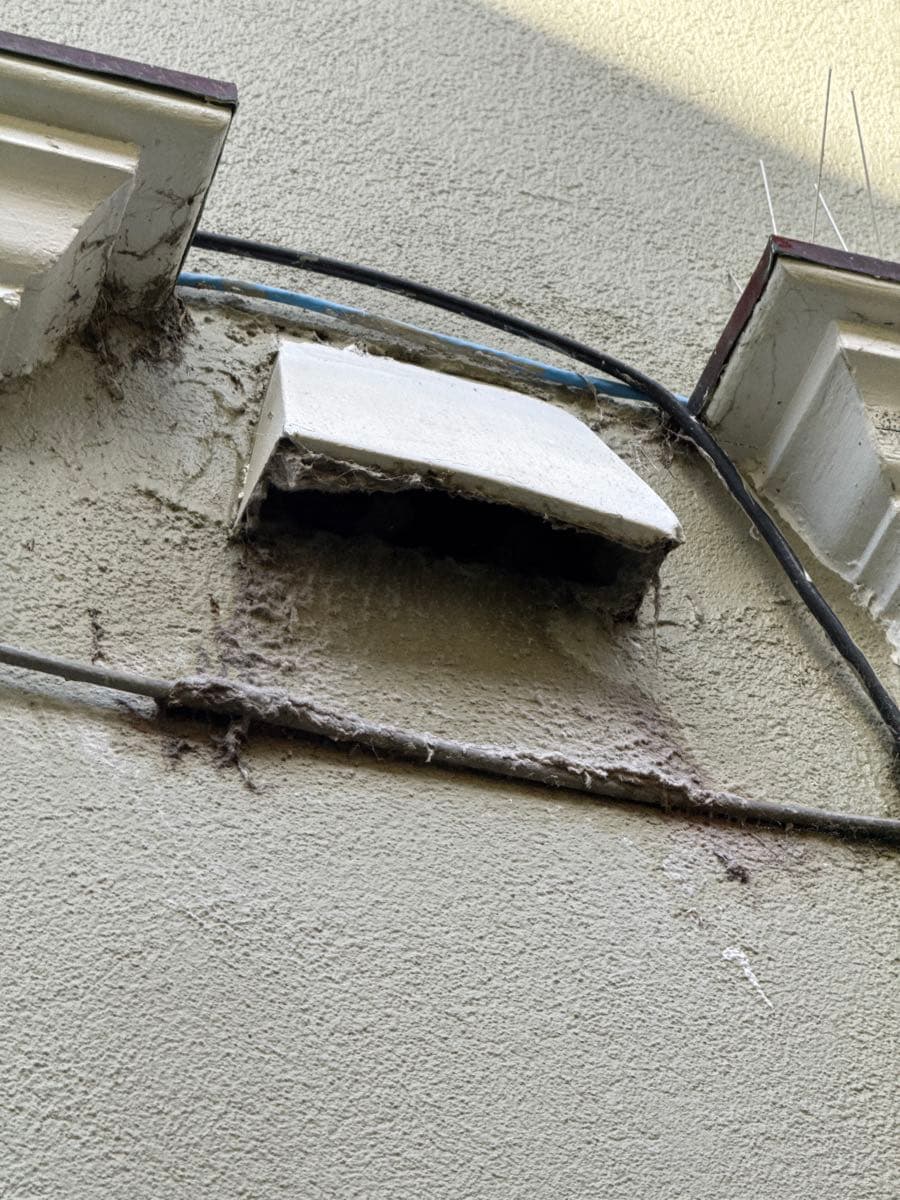
Check the exterior vent flap on your Pacifica home - if lint is visible around the opening or the flap doesn't swing open during dryer operation, the vent is restricted.

FAQ

Pacifica Frequently Asked Questions

How often should I get my dryer vent professionally cleaned?
The National Fire Protection Association (NFPA) recommends professional dryer vent cleaning at least once per year. Homes with 4 or more residents, pets, or vent runs longer than 25 feet should clean every 6 months. Warning signs include clothes taking more than one cycle to dry, the dryer feeling unusually hot, a burning smell during operation, or visible lint around the exterior vent hood.
Why is dryer vent cleaning important for fire safety?
According to the U.S. Fire Administration, approximately 15,000 home dryer fires occur each year in the United States, and lint buildup in the dryer vent is the leading cause. In older homes with longer vent runs through walls or crawl spaces, the risk is elevated. Professional cleaning removes accumulated lint, restores proper airflow, and can reduce energy consumption by up to 30% per load.
What is CDET certification and why does it matter for dryer vent cleaning?
CDET stands for Certified Dryer Exhaust Technician, a professional certification issued by the Chimney Safety Institute of America (CSIA). CDET-certified technicians are trained in NFPA 54 fire code, proper duct materials, installation standards, and fire safety protocols. Hiring a CDET-certified company ensures every job meets or exceeds current building and safety codes.
How much does dryer vent cleaning cost?
Standard residential dryer vent cleaning typically ranges from $149 to $249 for a single vent, quoted as a flat rate before the work begins. Cost depends on the vent length, the number of bends, whether the vent terminates at the roof or a wall, and whether the transition duct needs replacement.
What is a UL 2158A transition duct and do I need one?
UL 2158A is the Underwriters Laboratories safety standard for the transition duct, the short duct connecting your dryer to the wall vent. A UL 2158A-listed duct is rigid or semi-rigid metal that replaces the foil accordion hose found in older homes. Foil ducts collapse behind the dryer, trap lint, and are not rated for dryer exhaust temperatures, so most local codes now require UL 2158A-compliant ducts.
Do you clean dryer vents in apartments and multi-unit buildings?
Yes. We serve apartment complexes, condominiums, HOA-managed communities, and commercial laundry facilities. Multi-unit properties often have longer, shared vent runs that accumulate lint faster and require specialized equipment. Volume pricing is available for buildings with 4 or more units.
Can a clogged dryer vent increase my energy bill?
Yes. A clogged vent restricts airflow, forcing the dryer to run longer and work harder on each load. The U.S. Department of Energy estimates a blocked vent can increase energy use by 30% or more per cycle. For a household running 4 to 5 loads per week, that can add $15 to $25 per month to a utility bill, so annual cleaning often pays for itself in energy savings.
What neighborhoods in Pacifica, CA does Dryer Vent Specialists service?
We service all neighborhoods throughout Pacifica, including Linda Mar, Westmore, Sharp Park, Rockaway Beach, Oddstad, and Fairmont. Whether your home is near the coast or inland, we provide dryer vent cleaning and inspection to residential properties across the city. Contact us to confirm service to your specific address.
Is Dryer Vent Specialists licensed and insured in Pacifica?
Yes. We are licensed and insured, and our technicians hold C-DET certification for professional dryer vent cleaning. We maintain current credentials to ensure safe, compliant work in all Pacifica neighborhoods.
How does salt air and moisture in Pacifica affect dryer vents?
Pacifica's coastal climate accelerates rust and corrosion in metal ducting and vent terminals. Lint also accumulates faster in humid conditions. Regular professional cleaning and inspection help prevent blockages and damage that salt air exposure causes.
How long does a dryer vent cleaning take in Pacifica?
Most residential dryer vent cleanings in Pacifica take one to two hours, depending on vent length, ductwork configuration, and extent of blockage. Our technician will provide a timeframe during scheduling.
Should I have my dryer vent inspected before winter in Pacifica?
Yes. A pre-winter inspection catches corrosion, blockages, and damage caused by coastal moisture and salt spray. Clear vents reduce fire risk and ensure your dryer operates safely during the season.

Service areas

Nearby areas we serve

We also provide service in these communities near Pacifica.

Need Residential Dryer Exhaust Cleaning & Inspection in Pacifica?

Straightforward, inclusive rates with clear-cut pricing. Schedule your Pacifica service today.

Reviews in Pacifica

What homeowners in Pacifica say

References & standards

Dryer exhaust systems shall be independent of all other systems and shall convey the moisture to the outdoors. Exception: This section shall not apply to listed and labeled condensing (ductless) clothes dryers.IRC M1502.2
  • IRC M1502.2 - Independent Exhaust to Outdoors - A dryer vent must run on its own straight to the outdoors. It can never share ducting with another fan or empty into an attic, garage, or crawl space.
  • IRC M1502.3 - Duct Termination Requirements - A dryer vent must end outside, at least 3 feet from any window, door, or air intake, with a damper that opens while the dryer runs. Screens are never allowed because they trap lint.
  • IRC M1502.1 - General - Clothes Dryer Exhaust - A dryer has to be vented exactly the way its manufacturer specifies, which is the baseline for a safe, efficient exhaust system.
  • NFPA General - Standard for Chimneys, Fireplaces, Vents, and Solid Fuel-Burning Appliances - National fire-safety guidance calls for a professional dryer vent inspection every year so hazards are caught before they become dangerous.
  • U.S. Fire Administration - Clothes dryer fire statistics - Clothes dryers cause about 15,000 home fires a year, and failure to clean them is the leading cause. (U.S. Fire Administration)
  • IRC M1502.4.2 - Duct Installation Requirements - Duct joints must be sealed with metal tape, supported so they cannot sag, and fastened with screws short enough that nothing pokes into the airflow to snag lint.
  • IRC M1502.4.3 - Transition Duct Requirements - The flexible duct behind the dryer must be a single piece no longer than 8 feet, rated for dryer use (UL 2158A), and never hidden inside a wall.
  • UL 2158A - Clothes Dryer Transition Duct - The flexible connector behind the dryer must carry a UL 2158A label, confirming it can take dryer heat without collapsing or becoming a fire hazard.
  • IRC M1502.4.6.1 - Maximum Exhaust Duct Length - Dryer ducting is capped at 35 feet, and every bend counts against that limit, so a vent with several elbows has to be considerably shorter.
  • IRC M1502.4.5 - Prohibition of Domestic Booster Fans - Standard duct booster fans are banned from dryer vents because they are not built for lint and heat, which makes them a fire risk.
  • IRC M1502.4.7 - Duct Length Identification - A duct longer than the 35-foot limit must carry a permanent label near the dryer stating its true length so it can be serviced correctly.
  • IRC M1502.4.8 - Exhaust Duct Required When Space Provided - Any home with a space for a dryer must have a vent duct installed, capped and labeled for future use if no dryer is in place yet.
  • IRC M1502.4.1 - Duct Material and Size - Dryer ducting must be smooth metal and 4 inches across. Plastic, vinyl, and thin foil duct are prohibited because they trap lint and cannot handle the heat.
  • IPC 501 - General Water Heater Requirements - Your water heater must always be reachable for routine service and inspection so that problems can be caught and corrected before they become serious or costly.
  • IRC P2804 - Temperature and Pressure Relief Valves - Your water heater has a safety valve that must be connected to a pipe leading to a drain or safe outdoor spot so that if it ever opens, hot water goes somewhere safe and cannot hurt anyone.
  • IPC 504 - Water Heater Relief Valves and Discharge Pipes - The law requires a properly piped safety valve on your water heater to prevent dangerous pressure buildup, and that pipe must carry any discharge safely to a drain or outside your home.
  • IRC P2803 - Water Heater Installation and Safety Devices - Your water heater must be installed and maintained according to both the manufacturer's directions and local building code to keep your home safe.
  • IPC 504.6 - Relief Valve Testing and Maintenance - Plumbing codes require that the safety pressure-relief valve on your water heater always be in working condition and easy to access. Scale or corrosion that prevents the valve from opening must be corrected immediately.
  • IFGC 304 - Combustion and Dilution Air for Gas Appliances - Gas appliances like your water heater need enough fresh air in the space around them to burn properly and vent safely. Without enough air, dangerous carbon monoxide can build up in your home.
  • IRC G2407 - Combustion Air Supply (IRC Gas Appliances) - In a tightly sealed modern home, your gas water heater may need a dedicated fresh-air duct from outside to ensure it burns cleanly and does not produce carbon monoxide.
  • manufacturer 6.2.1 - Ventilation and Acceptable Indoor Air Quality: Particulate Matter Filtration - Building codes and industry standards require that your HVAC system use a properly fitted, adequately rated filter that is maintained on a regular schedule so that the air circulated through your home meets accepted quality guidelines.
  • manufacturer 5.3 and 6.3 - ASHRAE Standard 180: Inspection and Maintenance of Commercial HVAC Systems (Coil Maintenance Provisions) - An industry standard from ASHRAE requires that AC coils be regularly inspected and cleaned using methods that will not damage the fins, so your system keeps running at the efficiency it was designed for.
  • IRC M1401 - Heating and Cooling Equipment: General Installation Requirements - The residential building code requires your furnace or air handler to be set up exactly as the manufacturer specifies, and that always includes installing and maintaining the correct filter so the equipment runs safely and efficiently.
  • manufacturer ACR 2021 Section 4 and Section 9 - NADCA ACR 2021: Assessment, Cleaning, and Restoration of HVAC Systems (Coil and Drain Pan Requirements) - The NADCA standard used by professional HVAC cleaners defines what a properly cleaned coil looks like and what chemicals are safe to use, so you can be confident a professional cleaning means the job was done right and safely.
  • manufacturer EPA 402-K-02-003 - EPA Mold Remediation in Schools and Commercial Buildings (Mold and Indoor Air Quality Guidance) - The EPA recommends that mold found on AC coils or drain pans be physically removed and treated by a professional, not simply sprayed over. Leaving mold in place means your air system will keep spreading spores through your home every time it runs.
  • IRC M1411.3 - IRC M1411.3: Condensate Disposal - Building code requires that your AC unit have a properly connected drain line so condensation water is safely removed. If the drain clogs and water overflows, you can face ceiling damage and mold; a secondary drain pan or safety shutoff switch is required by code when the unit is above living space.