San Bruno · Residential Dryer Exhaust Cleaning Inspection
San Bruno Dryer Vent Cleaning & Exhaust Inspection
A San Bruno homeowner's dryer exhaust system received a full inspection, airflow test, and deep cleaning to clear lint buildup and restore safe, efficient drying performance.
Completed October 6, 2026
Why This Service Matters
Dryer vent systems are one of the most overlooked fire hazards in a typical San Bruno home. According to the U.S. Fire Administration, lint accumulation is the leading cause of the roughly 15,000 home clothes dryer fires reported each year. Beyond the fire risk, a restricted vent forces the dryer to work harder, which drives up energy bills and shortens the appliance's service life. Manufacturers and national fire safety guidance, including the principles outlined in NFPA 211, recommend professional inspection and cleaning of the dryer exhaust system at least once a year. This visit was performed as that annual service.
What We Did
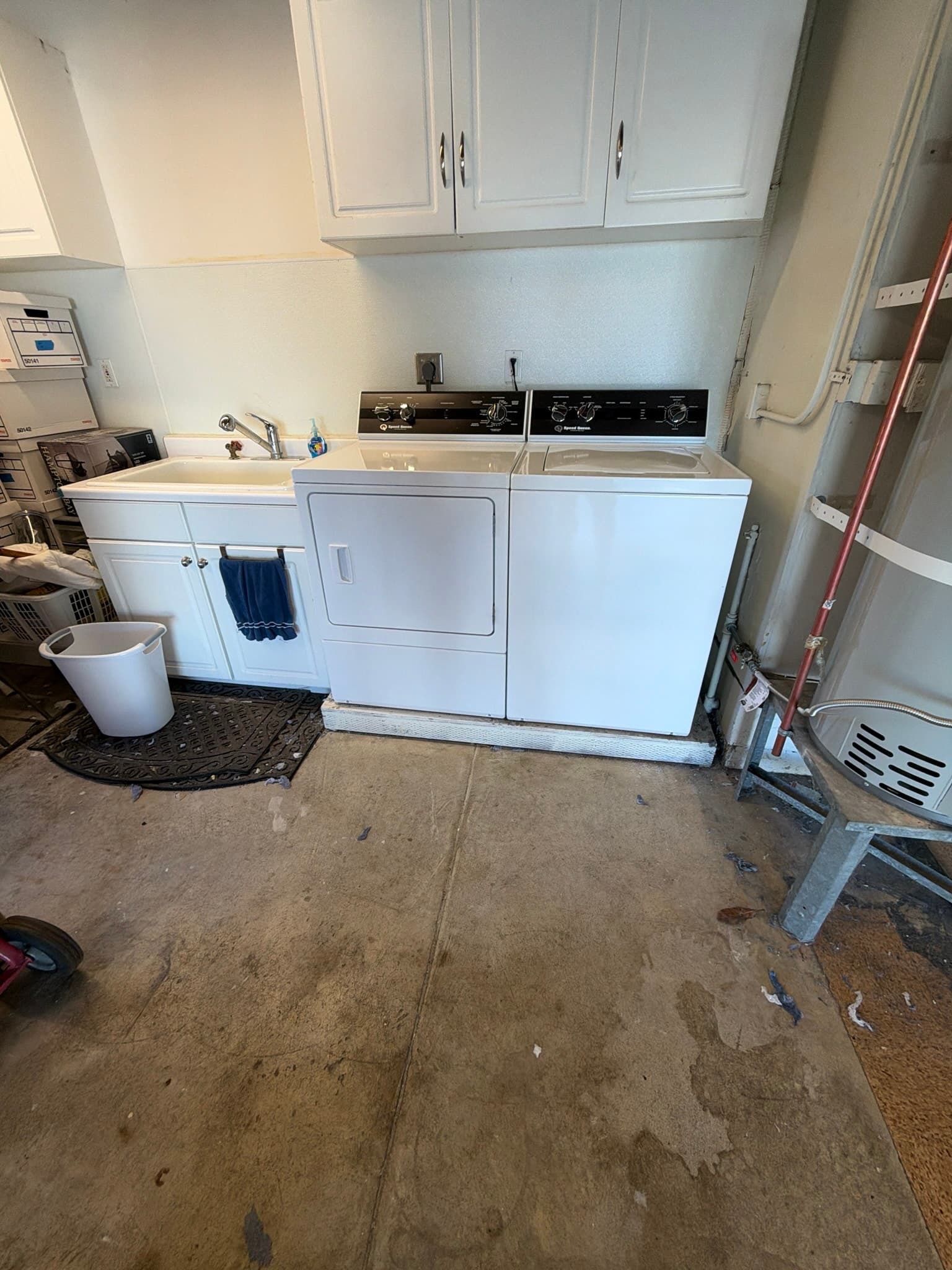
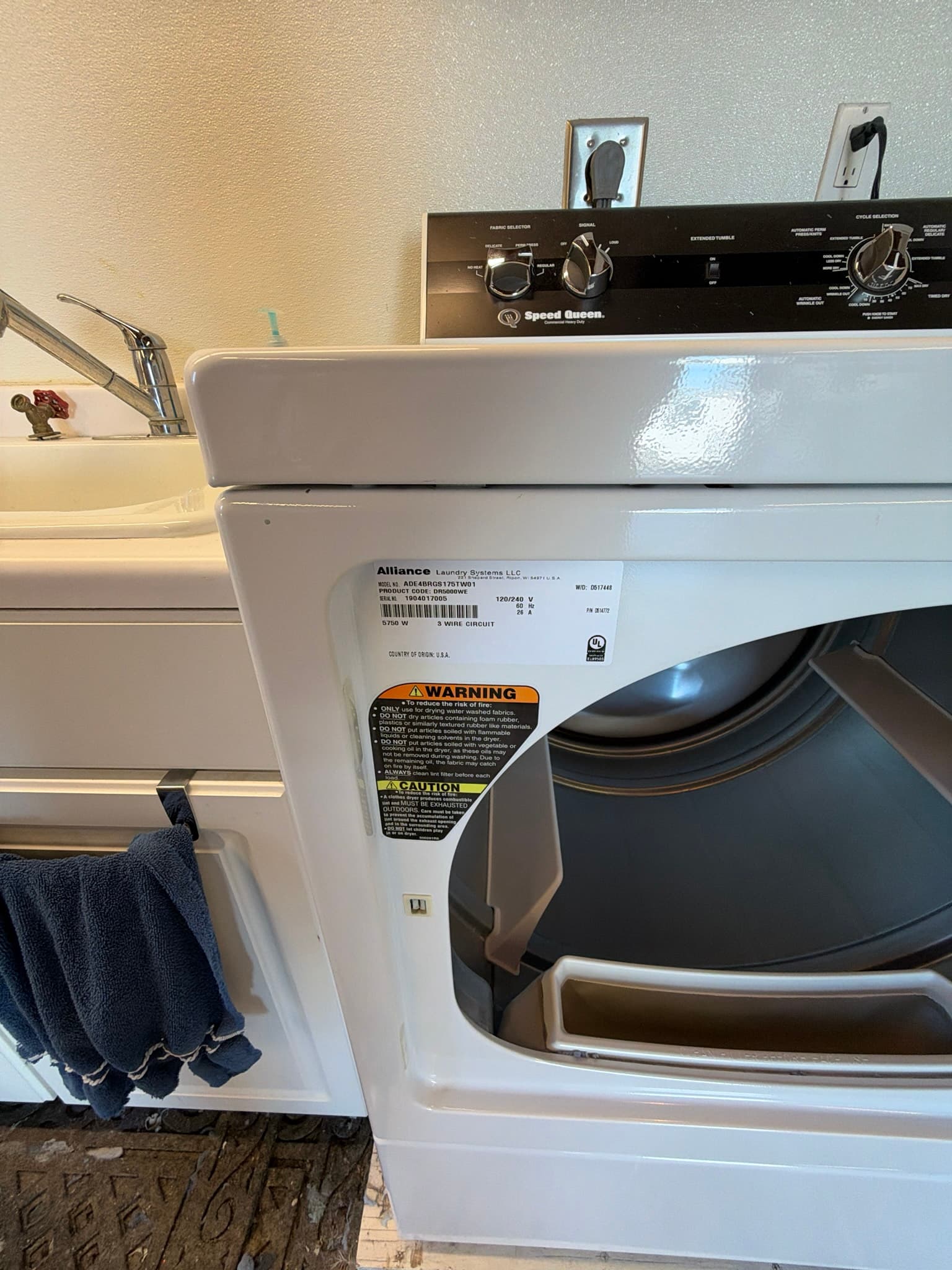
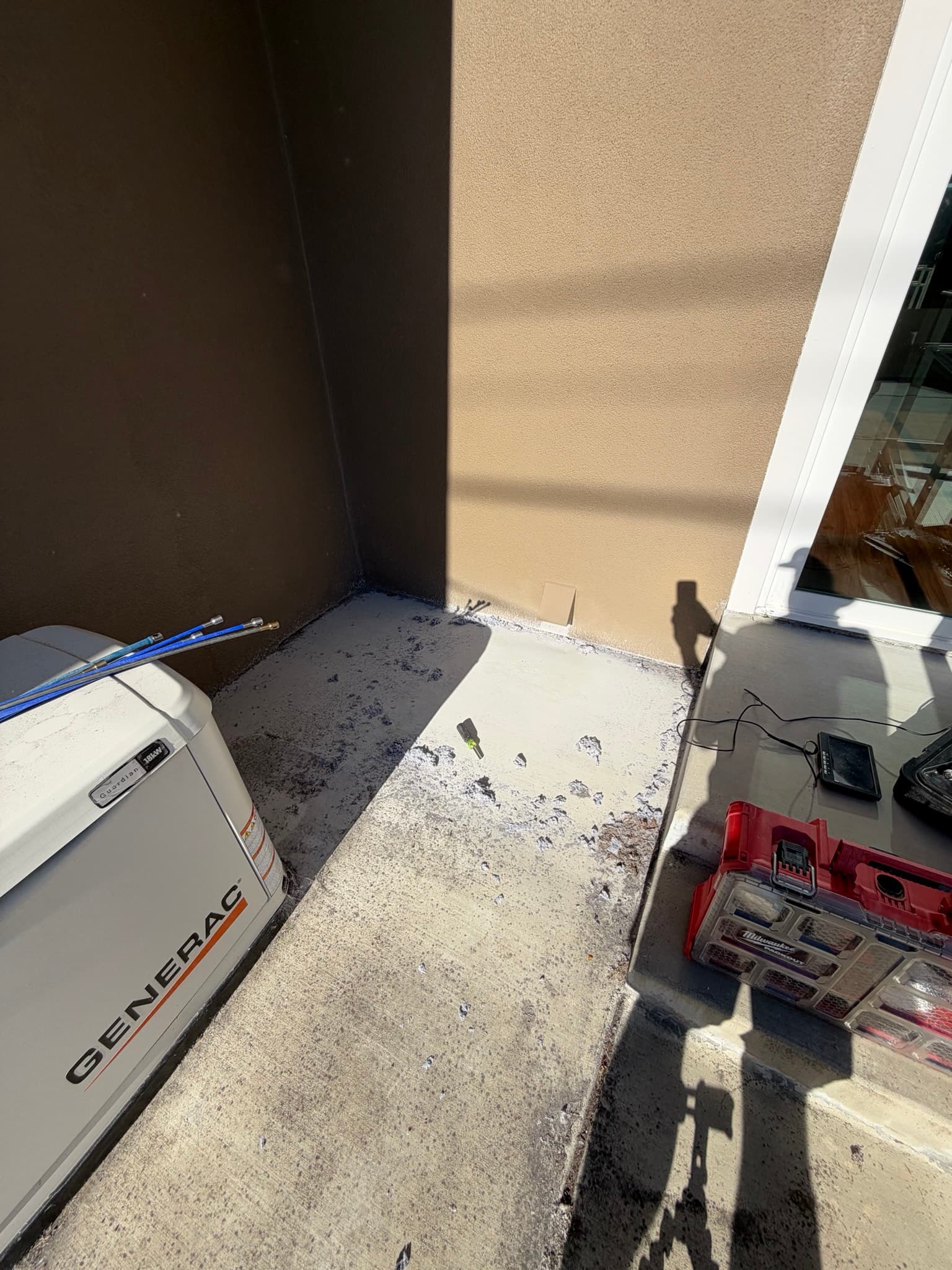
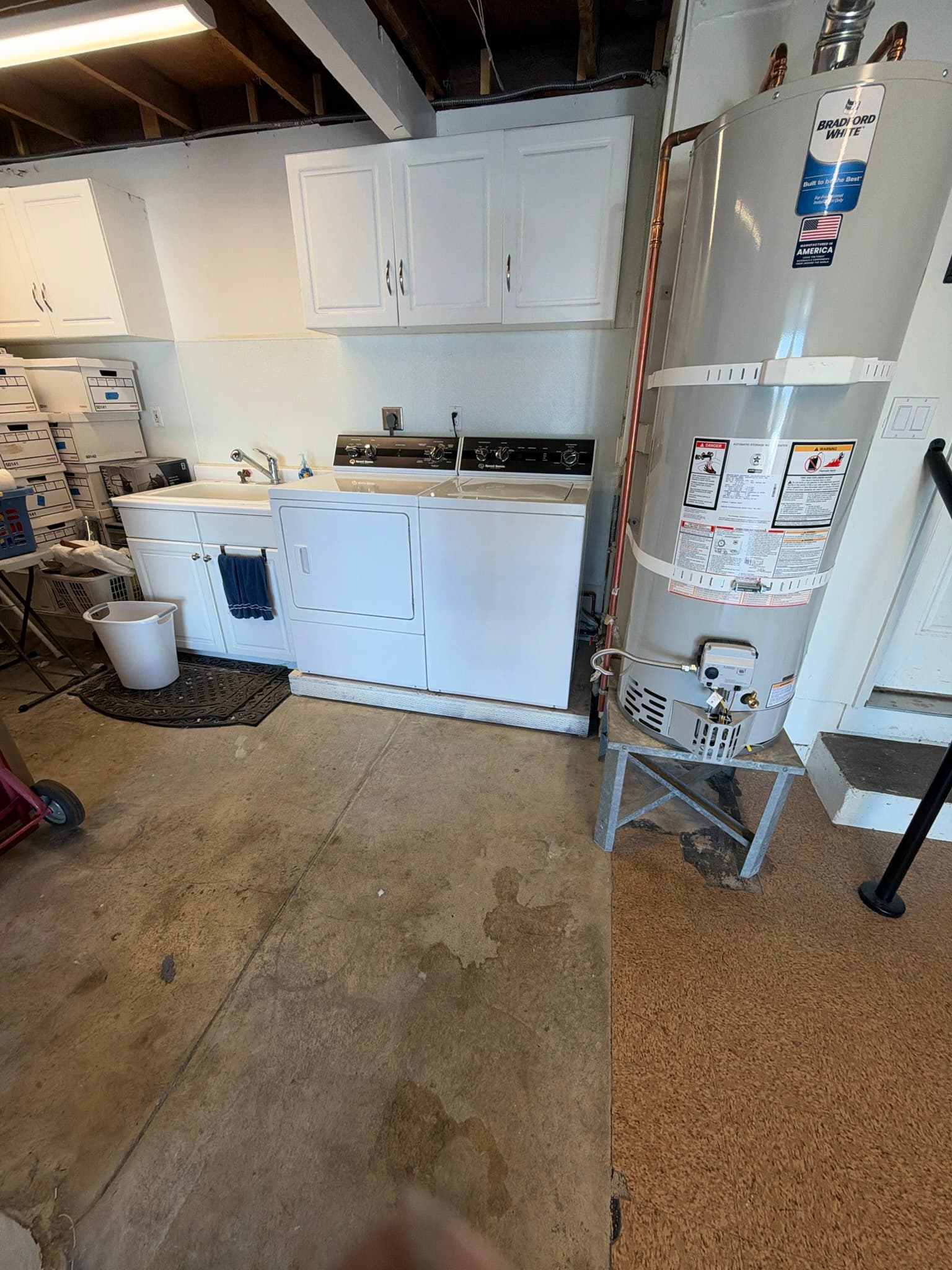
Our technician performed a full residential dryer exhaust cleaning and inspection, which is our most requested service for exactly this reason: it catches problems before they become expensive or dangerous. The visit started with a visual inspection of the duct run from the dryer connection to the exterior termination point, followed by an airflow test to establish a baseline reading at the vent cap. From there, we used a drill-attachment rotary brush to physically agitate and dislodge lint and debris along the full interior length of the duct, paired with a high-powered shop vacuum to extract the loosened material as we worked. This combination reaches lint that has bonded to the interior duct walls, which a vacuum alone cannot remove, and it is far more thorough than the consumer dryer sheet kits sold for DIY use. We worked the brush and vacuum from the dryer connection all the way out to the exterior cap, clearing every accessible section of the exhaust path in one continuous pass.
What We Found
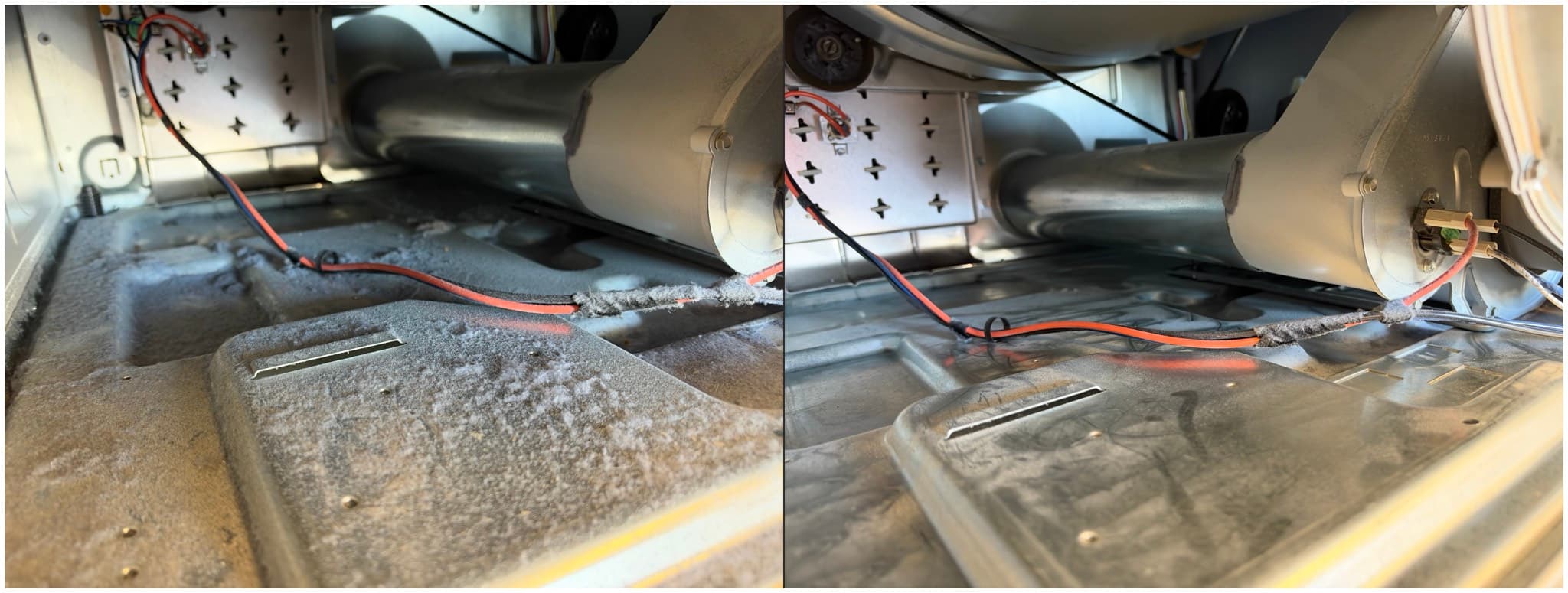
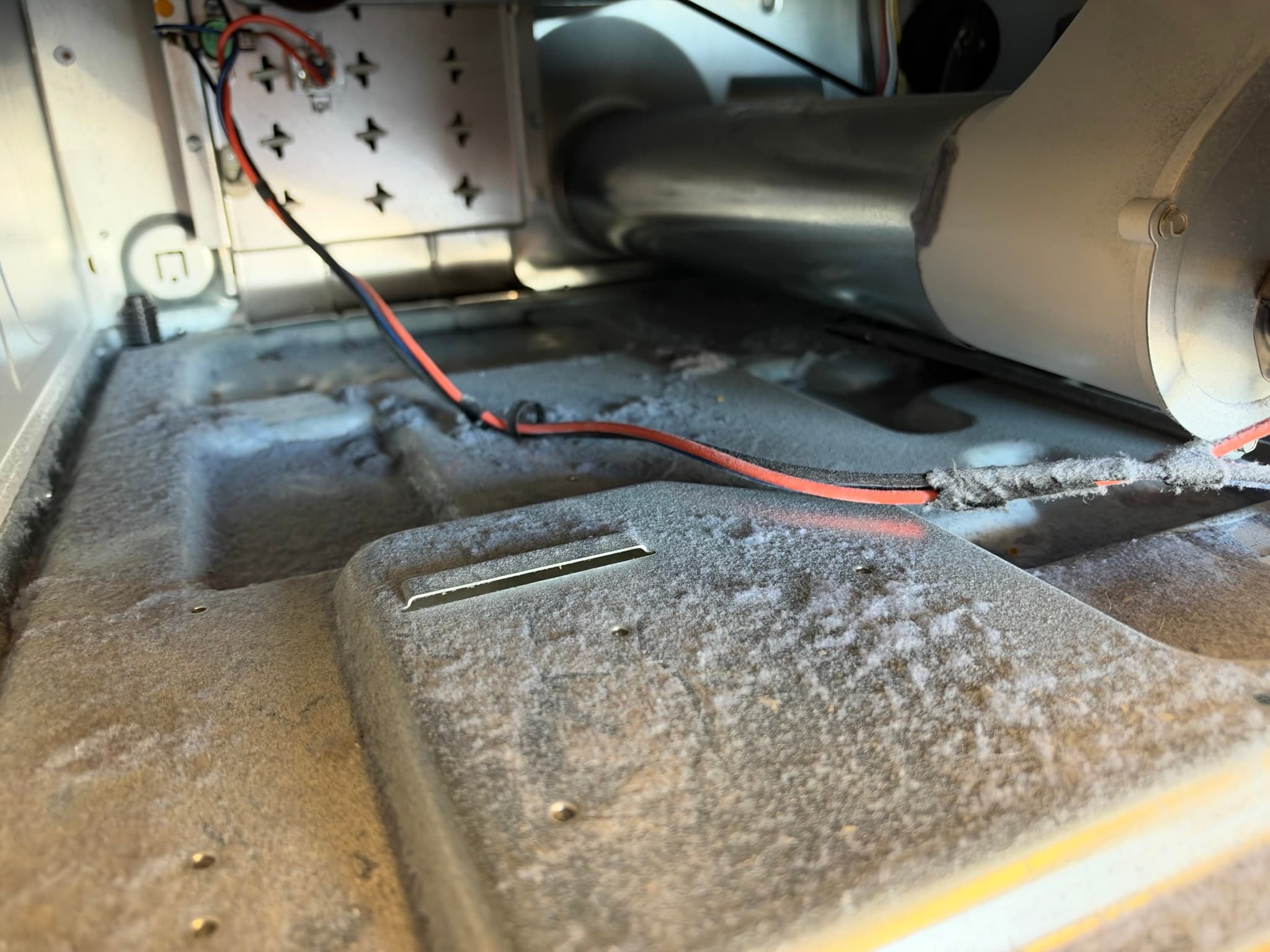
As is typical during a routine annual cleaning, the duct interior showed the kind of lint coating that builds up gradually with normal dryer use over the course of a year. This is a normal condition for a system that has not been serviced recently, rather than a sign of an acute hazard, but left unaddressed it progresses toward the kind of severe, compacted blockage that the U.S. Fire Administration points to as the leading factor in residential dryer fires. Catching it at this stage, before the duct becomes more than half occluded, is the entire point of annual service and is far simpler and more effective than waiting until drying times have already doubled.
The Outcome
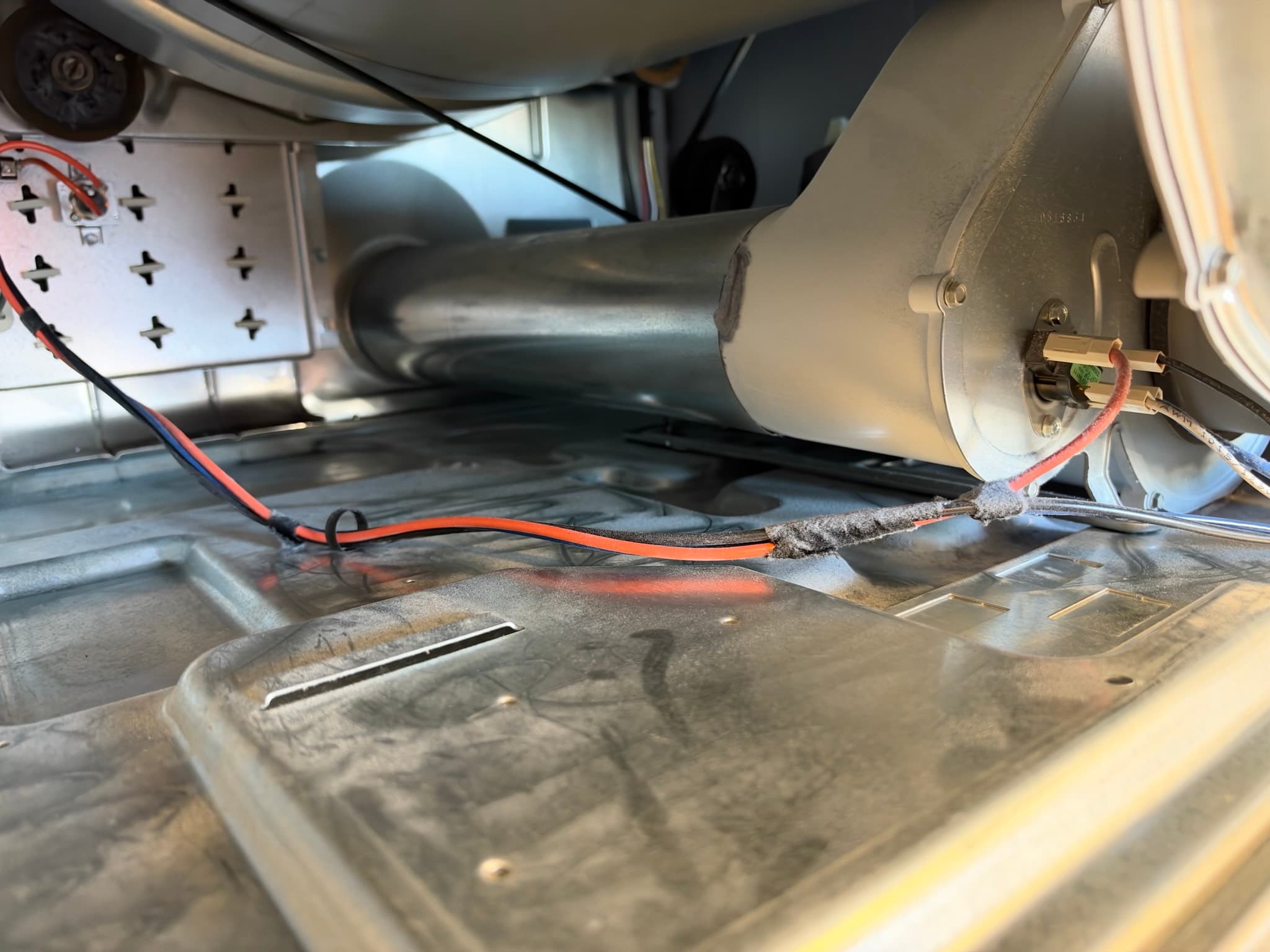
After the rotary brush and vacuum pass, we re-ran the system to confirm clean airflow from the dryer connection through to the exterior termination, verifying the exhaust path is moving air freely with no remaining restrictions. A clear, full-diameter duct run directly improves drying performance, shortens cycle times, reduces the energy the dryer needs to use per load, and removes the fuel source (lint) that would otherwise accumulate and create a fire risk. We recommend this same cleaning and inspection be repeated annually, or sooner if the homeowner notices longer drying times, a hot-to-the-touch dryer, or a burning smell during operation, any of which can indicate the vent is restricting airflow again between scheduled visits.
Keeping Your Vent System Safe Going Forward
Homeowners in San Bruno can extend the life of this service by keeping an eye on a few warning signs between annual visits: clothes taking noticeably longer to dry, the exterior of the dryer feeling unusually warm, a musty or burning odor during the drying cycle, or visible lint around the exterior vent cap. Any of these point toward lint accumulating again inside the duct. Routine annual cleaning, like the service performed here, is the most effective and least expensive way to keep a dryer exhaust system operating safely and efficiently year-round.
Project photos
7 photos
Need similar work in San Bruno?
Get a free quote - same-week appointments usually available.