
San Mateo · Standard Water Heater Flush
Dryer Vent Inspection & Water Heater Flush - San Mateo
A San Mateo home received a comprehensive dryer exhaust inspection revealing severe lint buildup, a prohibited semi-rigid duct concealed within the structure, a critical 4-inch-to-2-inch diameter reduction, and a disconnected duct section, along with a full water heater flush and burner verification.
Completed June 30, 2026
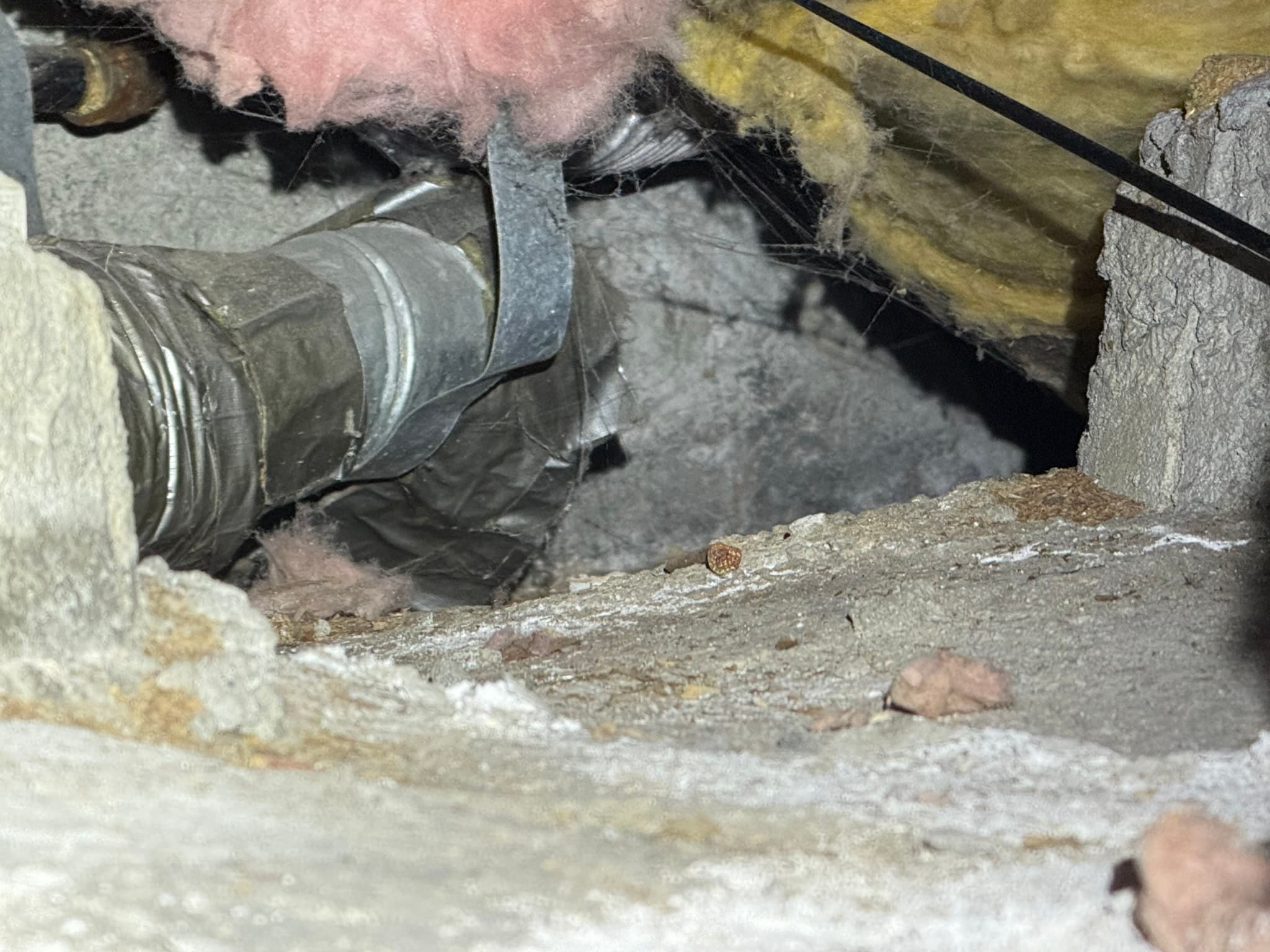
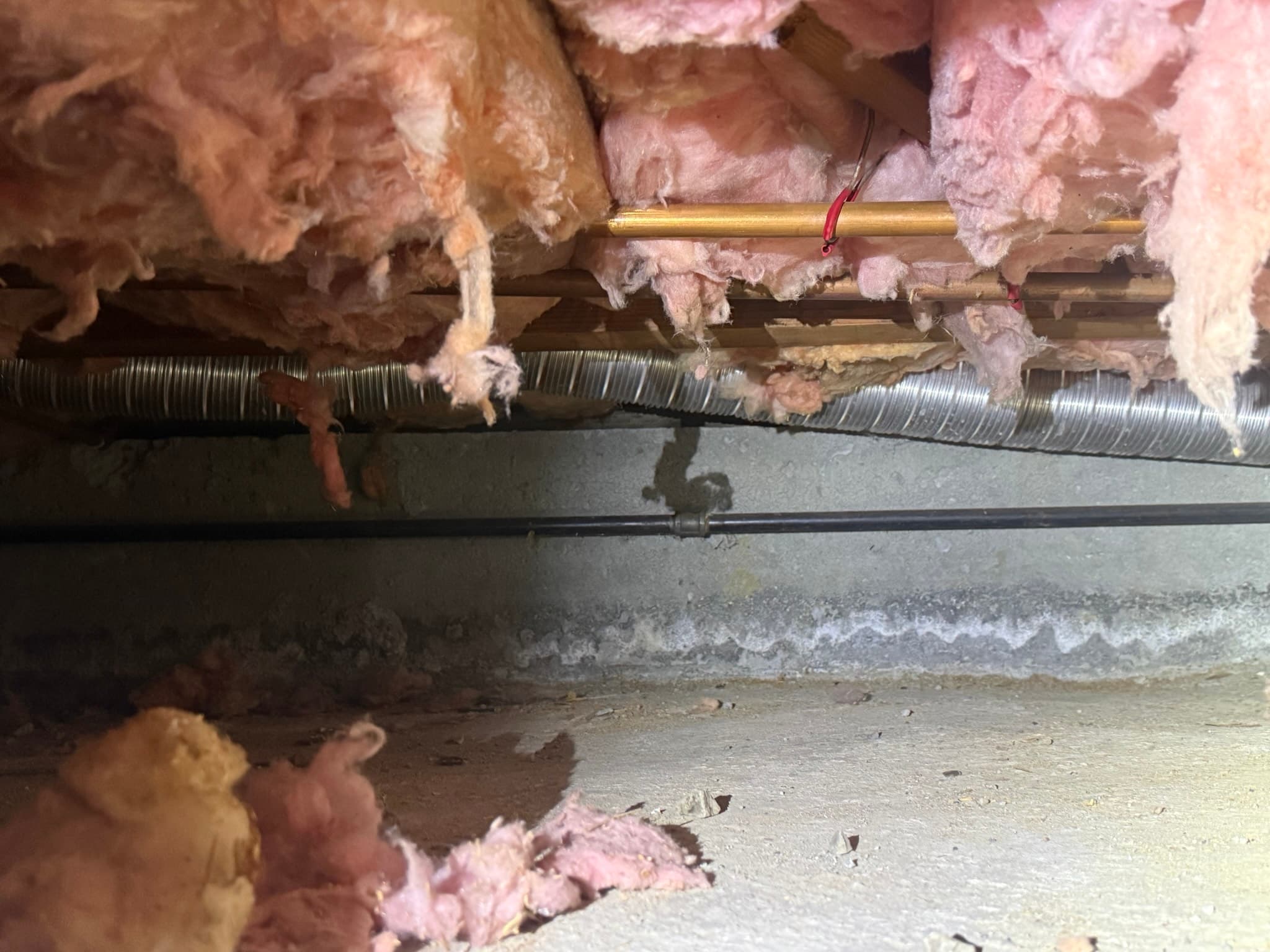
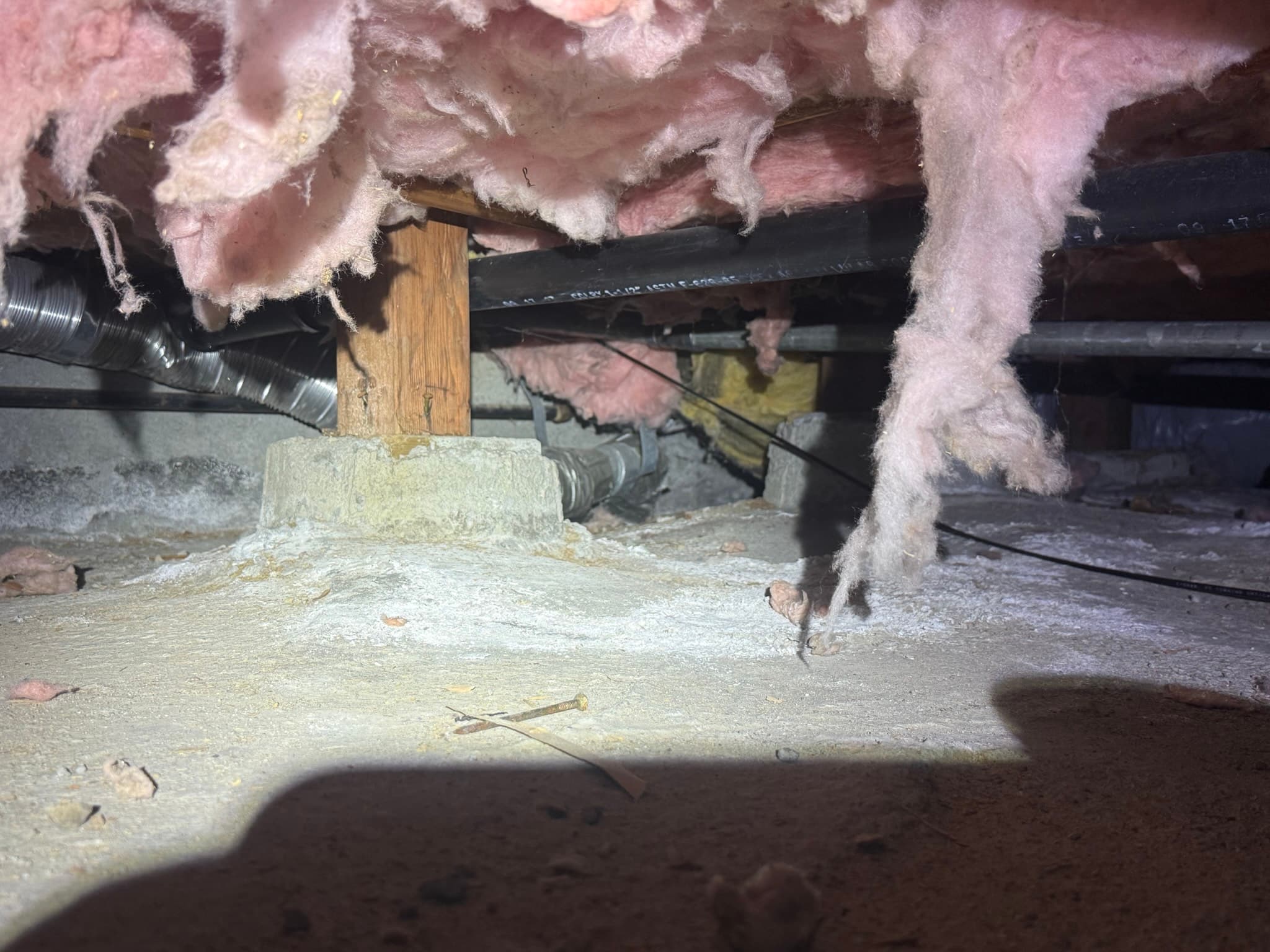
Semi-rigid duct concealed in the crawl space with heavy lint buildup and a prohibited 4-inch to 2-inch to 4-inch diameter transition creating a major airflow choke point
What We Found: Multiple Code Violations and an Urgent Fire Hazard
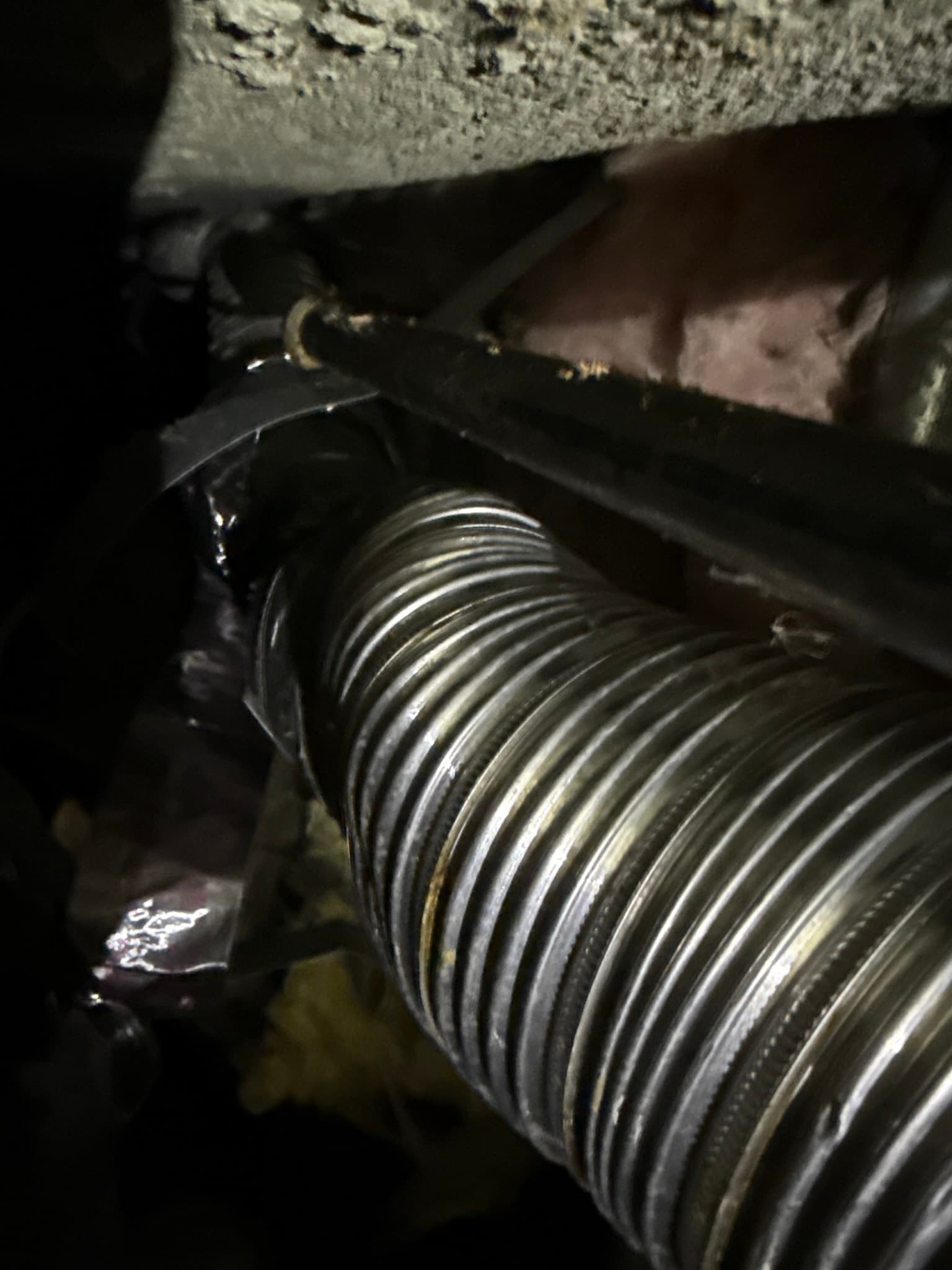
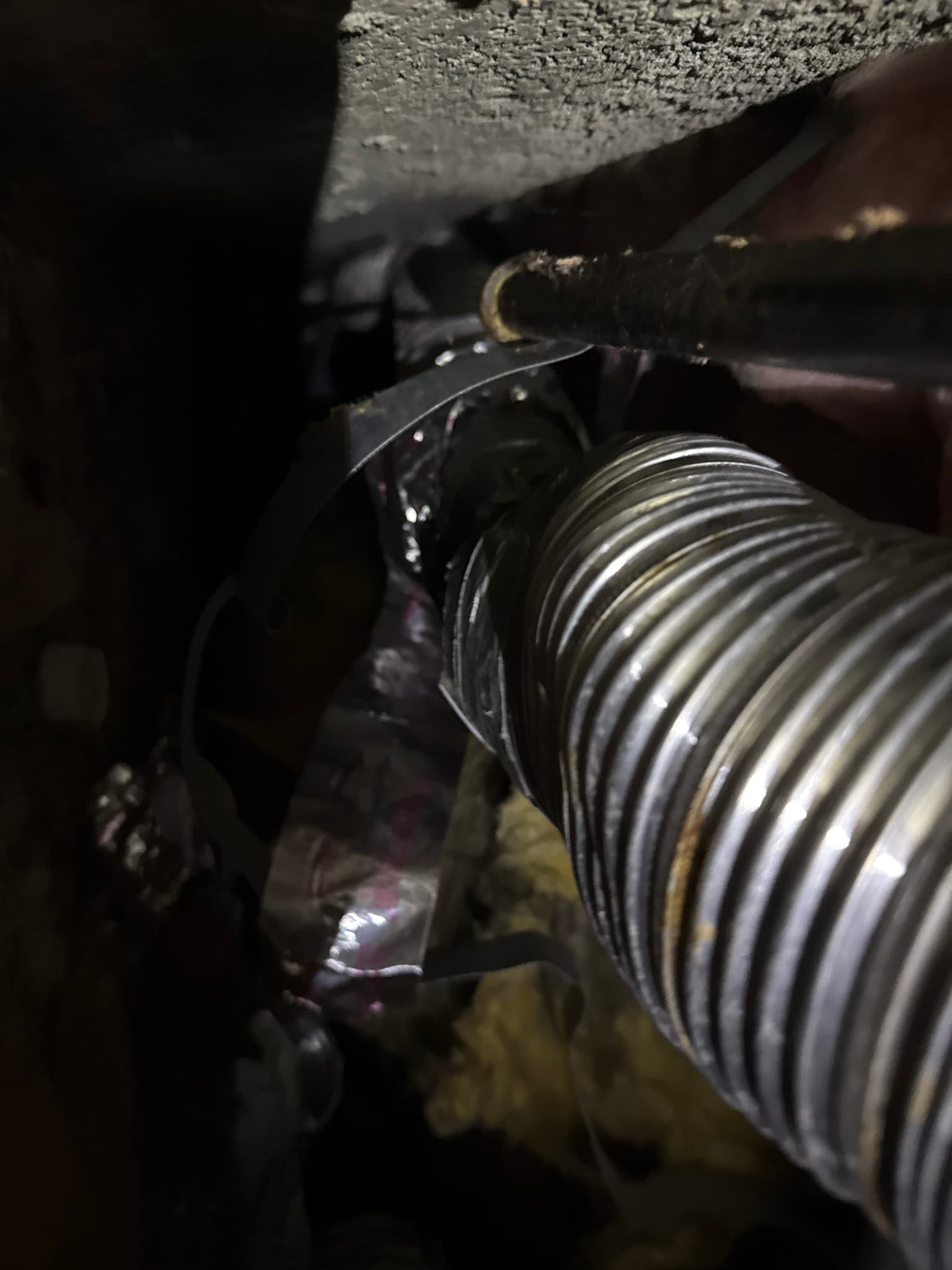
During a residential dryer exhaust inspection at a San Mateo home, our technician identified three serious issues with the dryer venting system. First, the exhaust duct was constructed with semi-rigid flexible material and routed concealed within the building structure, a direct violation of IRC M1502.4.3, which prohibits transition duct from being hidden inside walls, floors, or ceilings. Second, the duct path included a severe choke point where the 4-inch exhaust duct necked down to a 2-inch section before returning to 4 inches. This kind of diameter reduction dramatically cuts airflow capacity and causes lint to pack into the restriction, compounding an already dangerous situation. Third, a section of the duct was found fully disconnected and inaccessible within the crawl space, meaning hot, lint-laden exhaust air was venting directly into the building cavity rather than to the exterior. This is a violation of IRC M1502.2 and constitutes an urgent fire and moisture hazard.
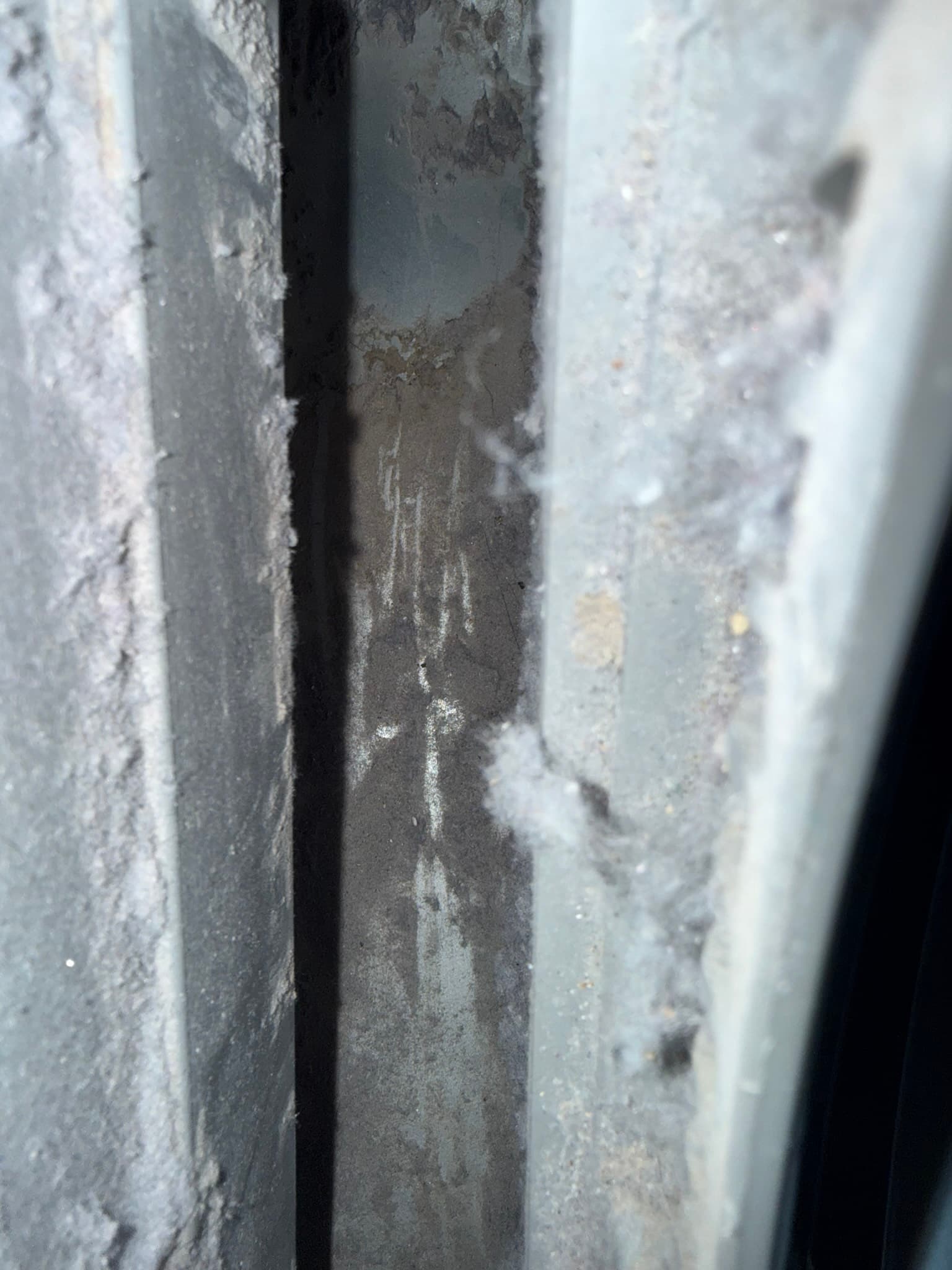
Severe Lint Accumulation Throughout the SystemLINT\_BUILDUP\_SEVERE\_1cdf)
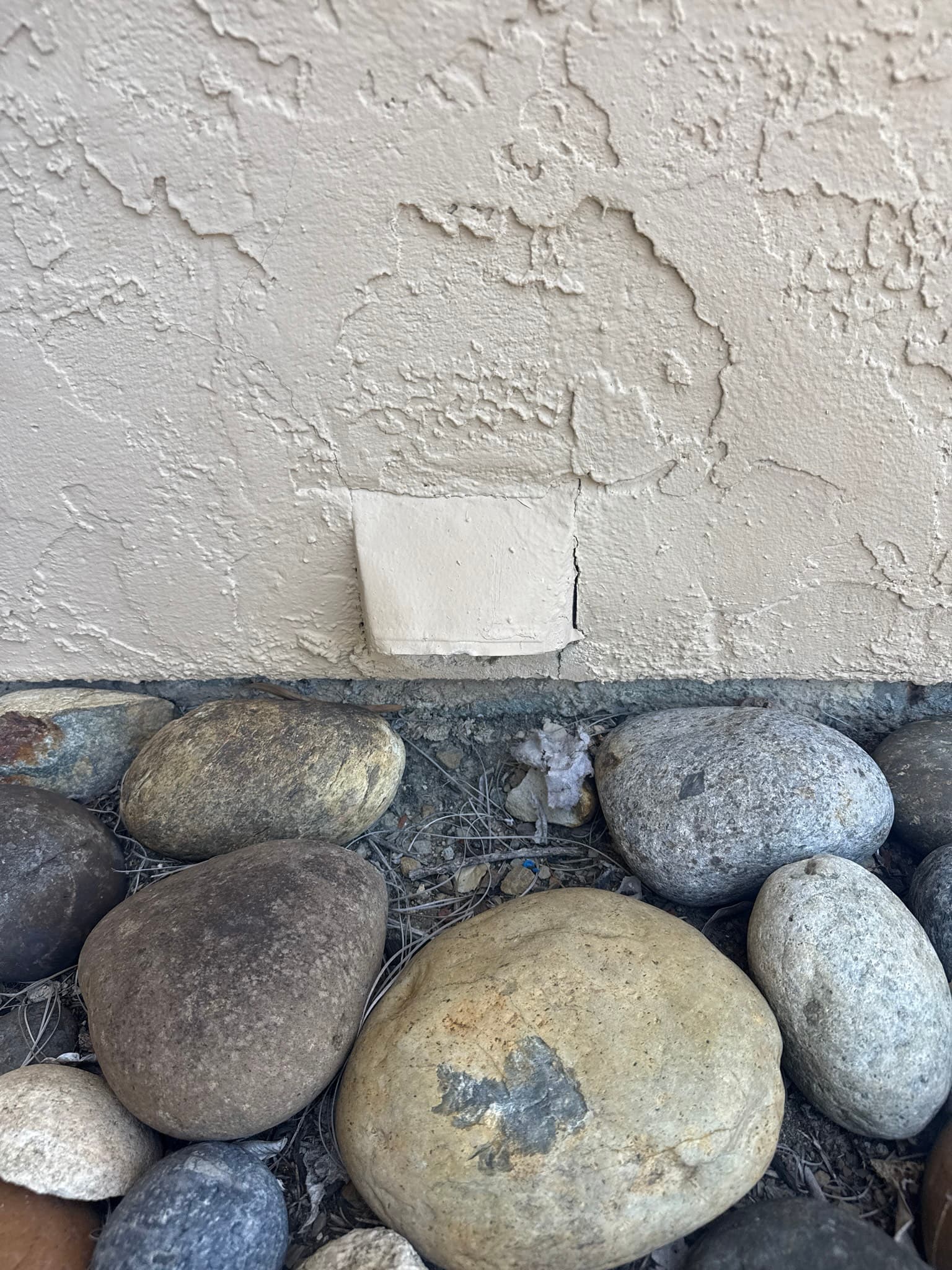
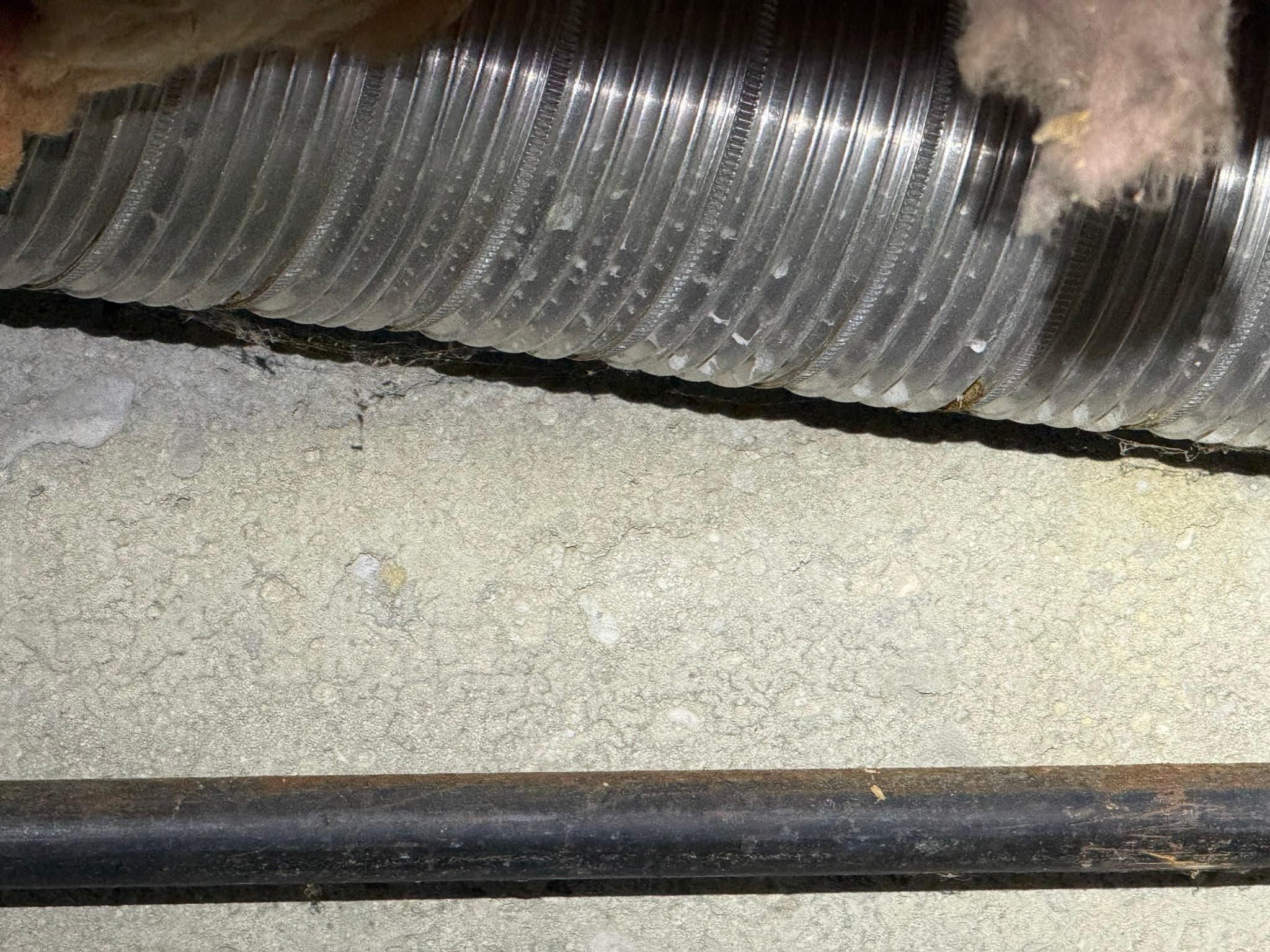
Photos captured during the inspection tell a clear story. The flexible ductwork running through the crawl space showed thick, compacted lint coating the exterior and interior surfaces, with lint debris scattered across surrounding insulation, the concrete foundation floor, and structural surfaces throughout the cavity. Interior duct shots confirmed the passageway was severely narrowed, consistent with greater than 50% occlusion. At these levels, measured airflow at the termination point is typically below 200 CFM, well under the 300-plus CFM most manufacturers require. Back-pressure from this level of blockage forces exhaust temperatures at the dryer connection above 180 degrees F, putting the home at significant risk of a dryer fire. The U.S. Fire Administration reports approximately 2,900 residential dryer fires per year, with lint accumulation identified as the leading cause. A full rotary brush and compressed-air cleaning of the accessible sections was performed, and the disconnected and inaccessible duct section was documented for follow-up repair.
Water Heater Flush and Burner Verification
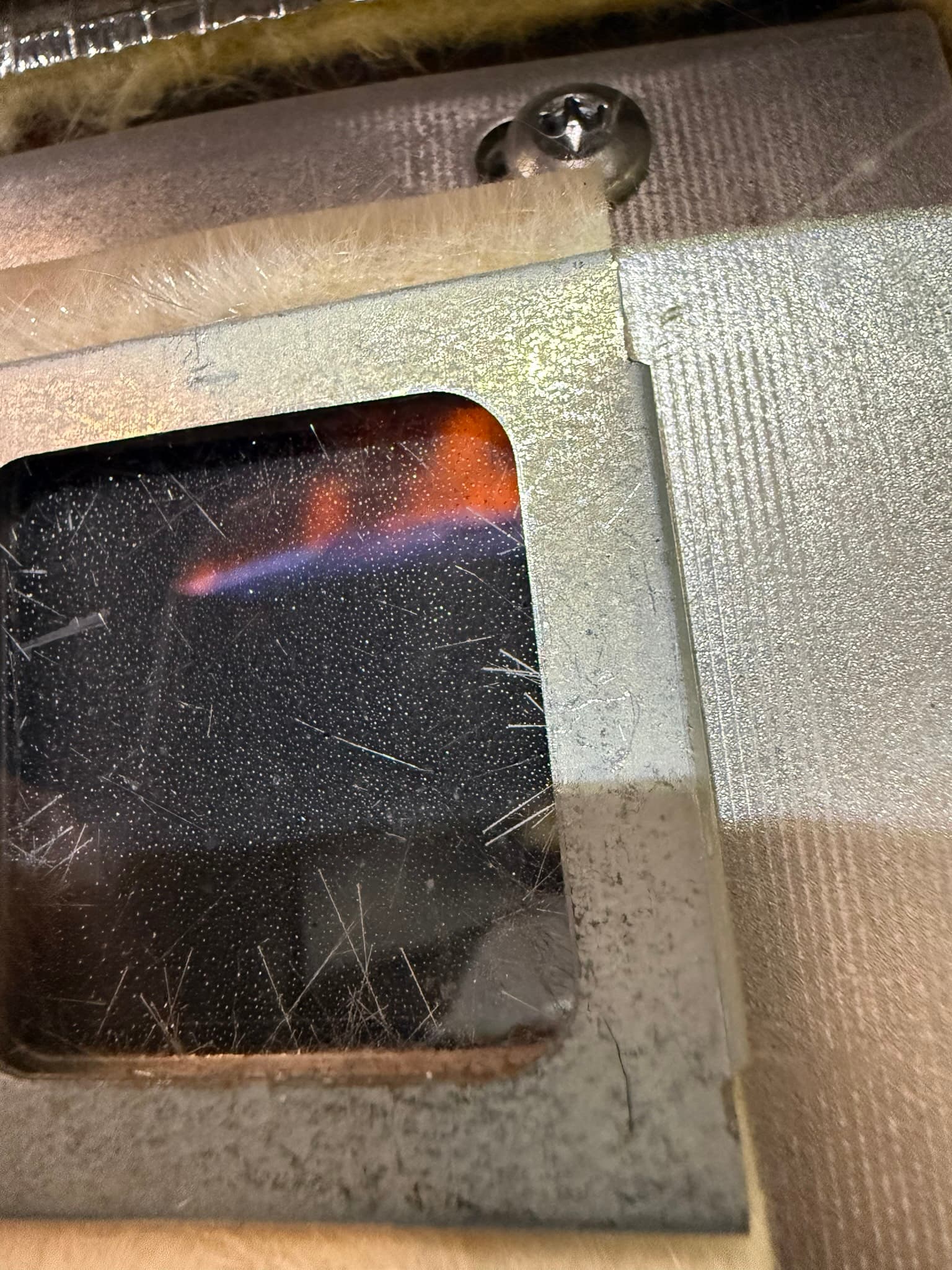
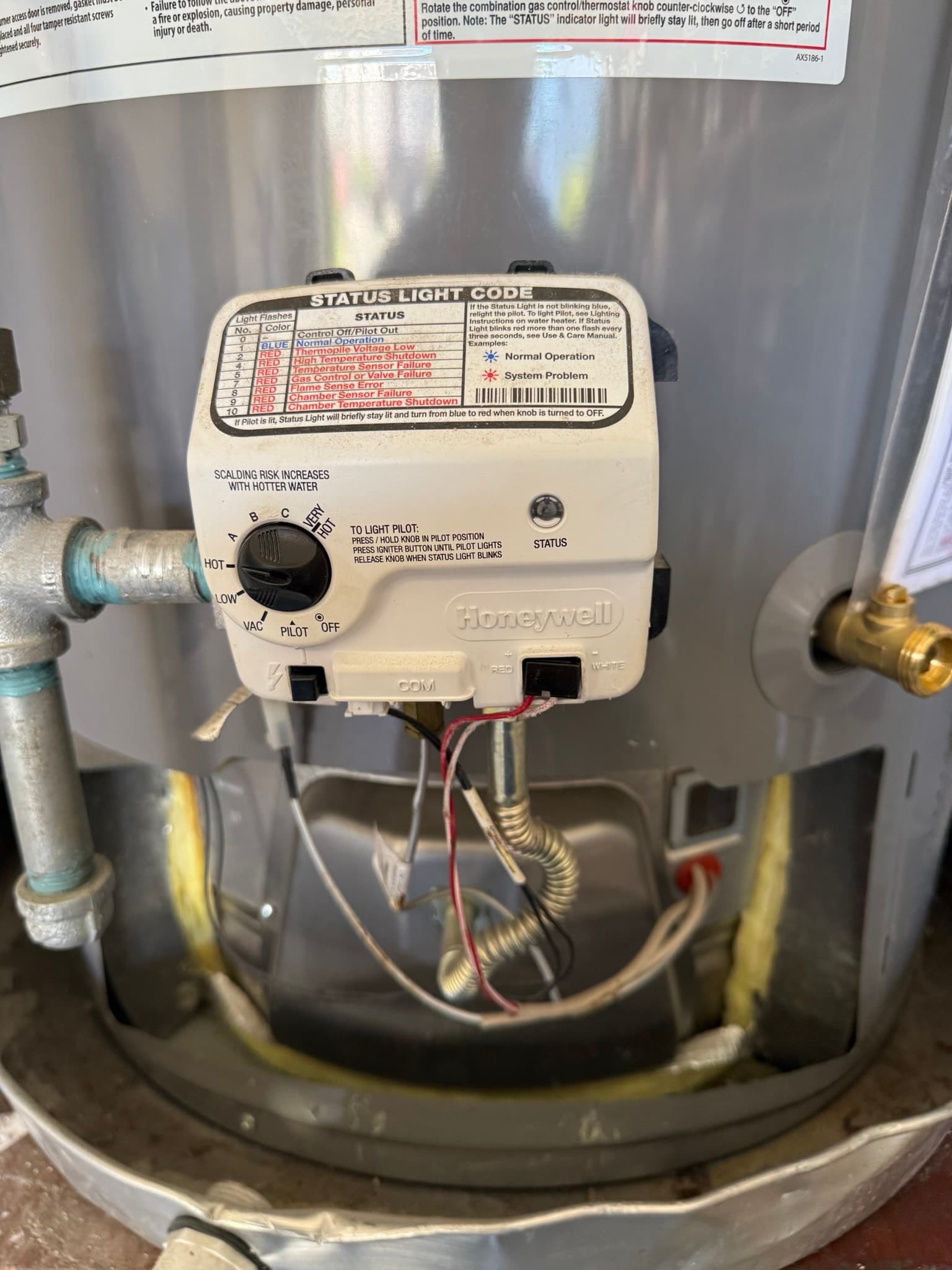
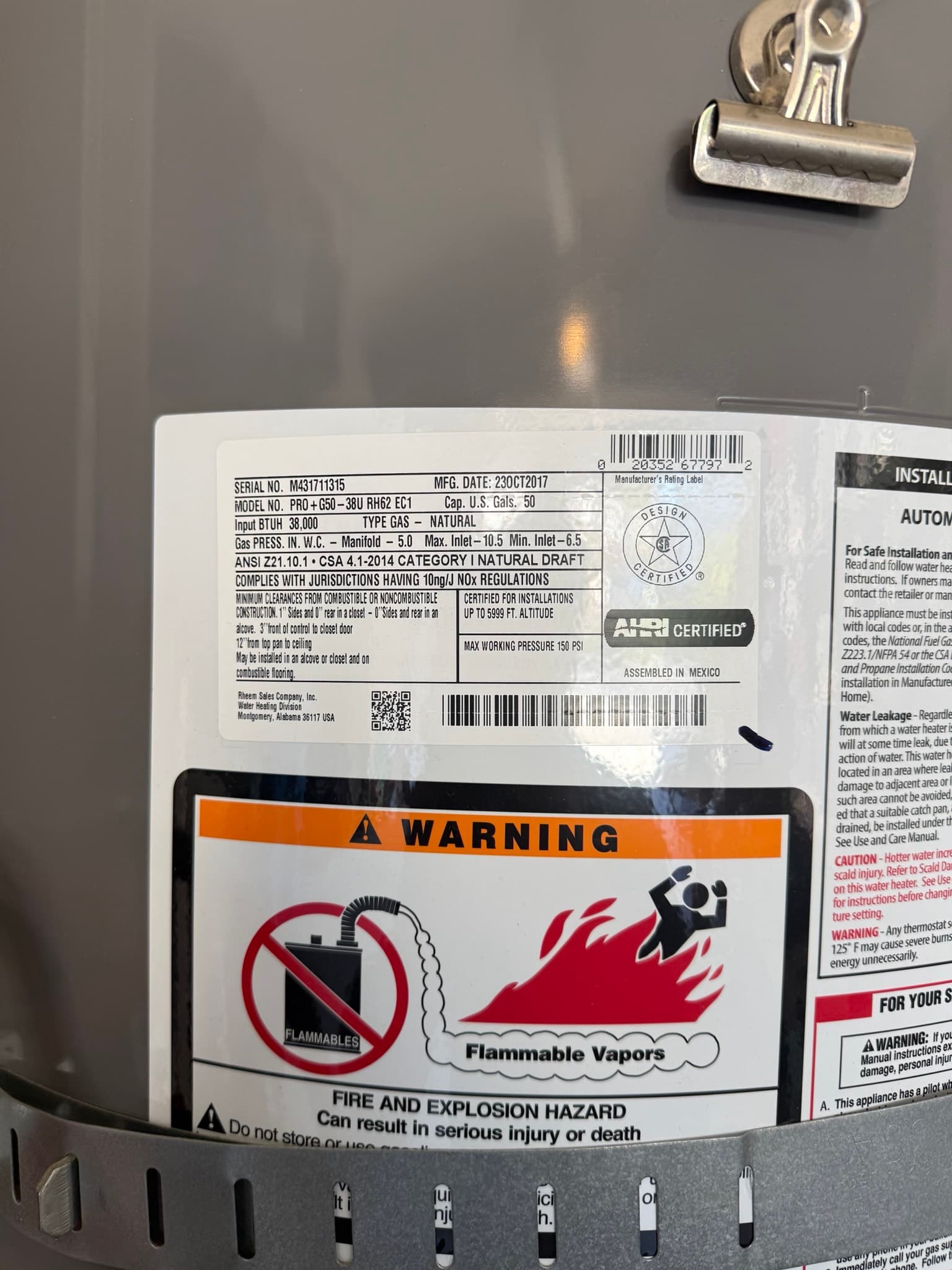
In addition to the dryer exhaust work, a standard water heater flush was performed on a 50-gallon natural gas unit (model PRO+G50-38U RH2 EC1, manufactured 2017). The technician followed the proper flush sequence: closing the cold water supply, attaching a drain hose, opening a hot water faucet to relieve vacuum, draining the tank, power-flushing with fresh water to clear sediment, and then refilling before restoring gas service. Following the flush, the pilot light and main burner were confirmed operational through the observation window, with the Honeywell thermostat control showing normal status. Restoration of full hot water capacity was expected within approximately one hour of service completion.
Recommended Next Steps
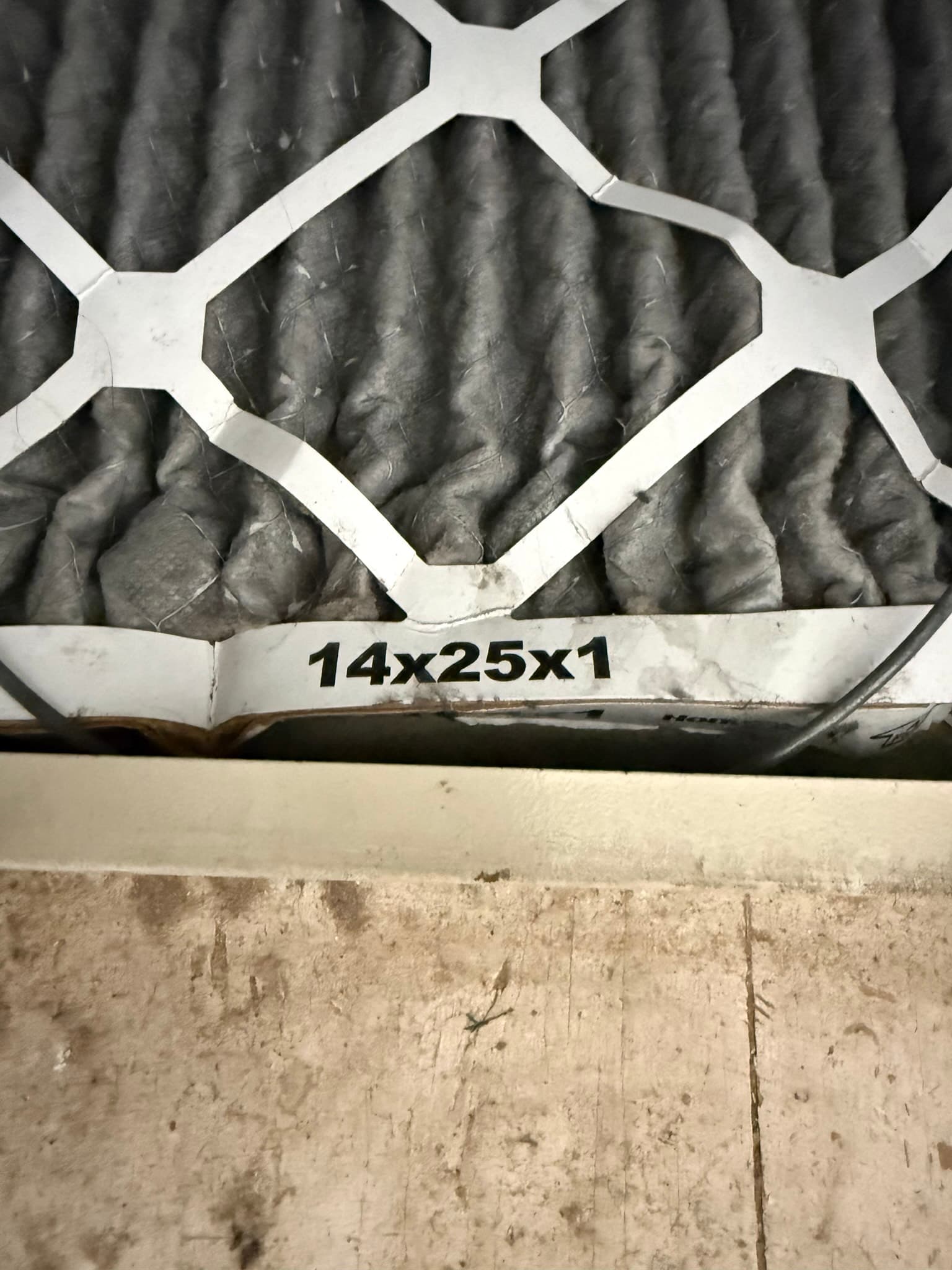
The concealed semi-rigid duct, the prohibited 4-to-2-inch diameter reduction, and the disconnected inaccessible section all require repair before the dryer exhaust system can be considered code-compliant or safe. Per IRC M1502.4.1, dryer exhaust duct must be rigid or semi-rigid metal with a smooth interior, a minimum 4-inch diameter throughout, and must remain accessible for cleaning at all points. The technician also noted a heavily loaded 14x25x1 HVAC return filter observed during the visit, which had exceeded its service life and was restricting system airflow. San Mateo homeowners with similar crawl-space dryer duct routing are encouraged to schedule a dedicated inspection, as concealed and inaccessible duct sections are among the most common and most hazardous conditions found in the area's older residential building stock.
Project photos
12 photos
Need similar work in San Mateo?
Get a free quote - same-week appointments usually available.