
Redwood City · Residential Fire Code Compliance Install
Dryer Vent Inspection & Repair in Redwood City, CA
A Redwood City homeowner's under-house dryer exhaust had come apart at a joint and was coated in years of lint. We reconnected and sealed the duct and performed a full cleaning and inspection of the entire run.
Completed November 12, 2026
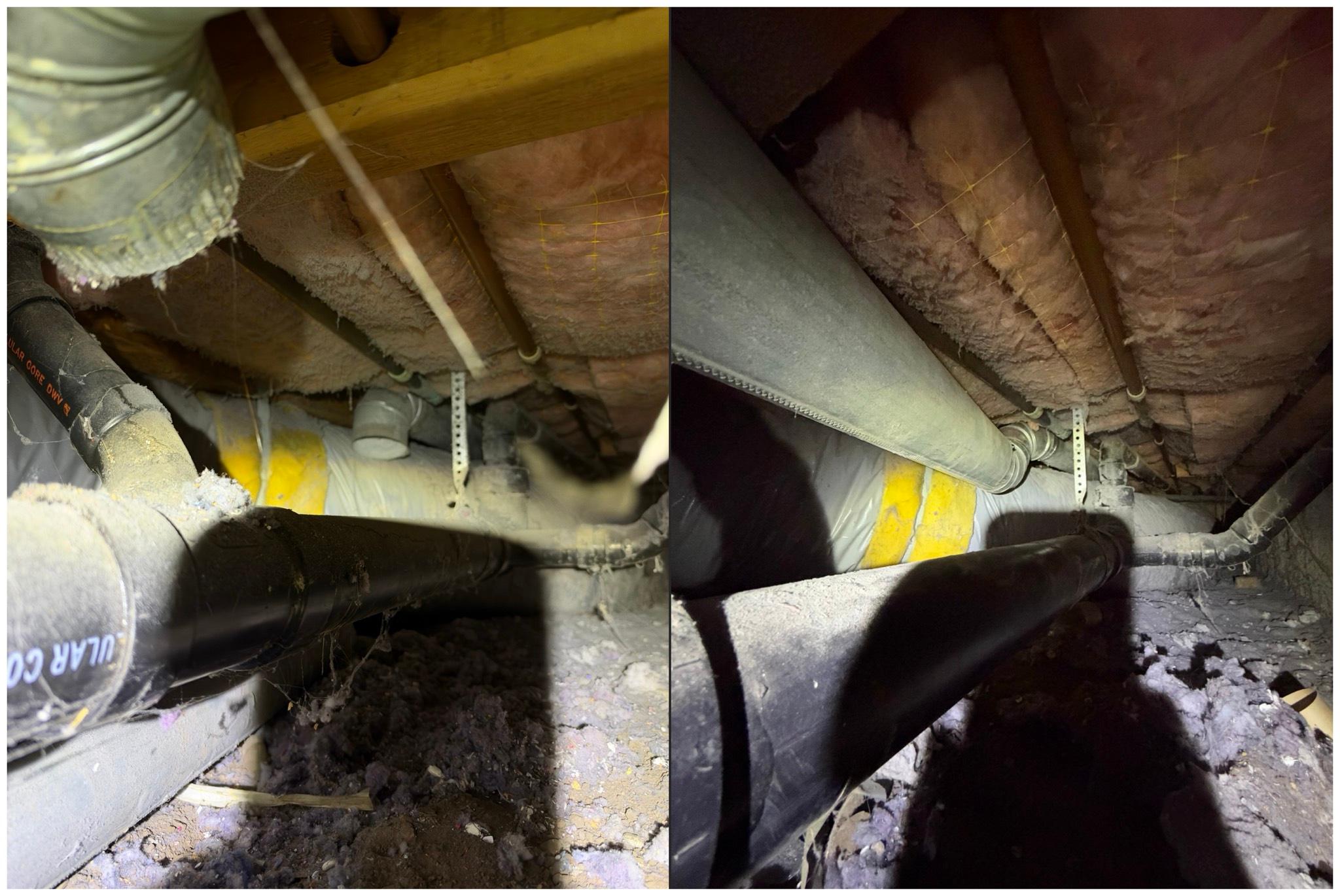
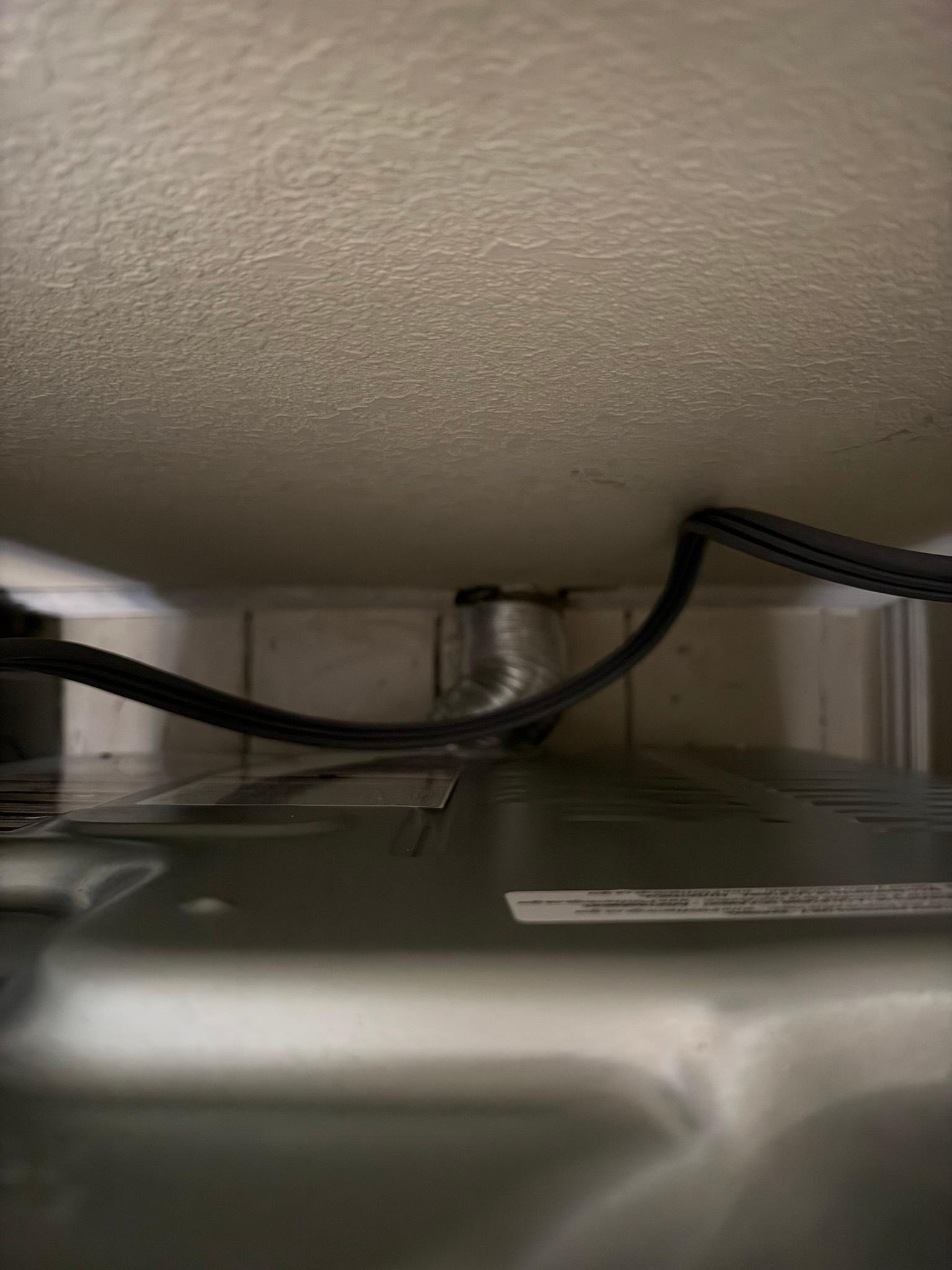
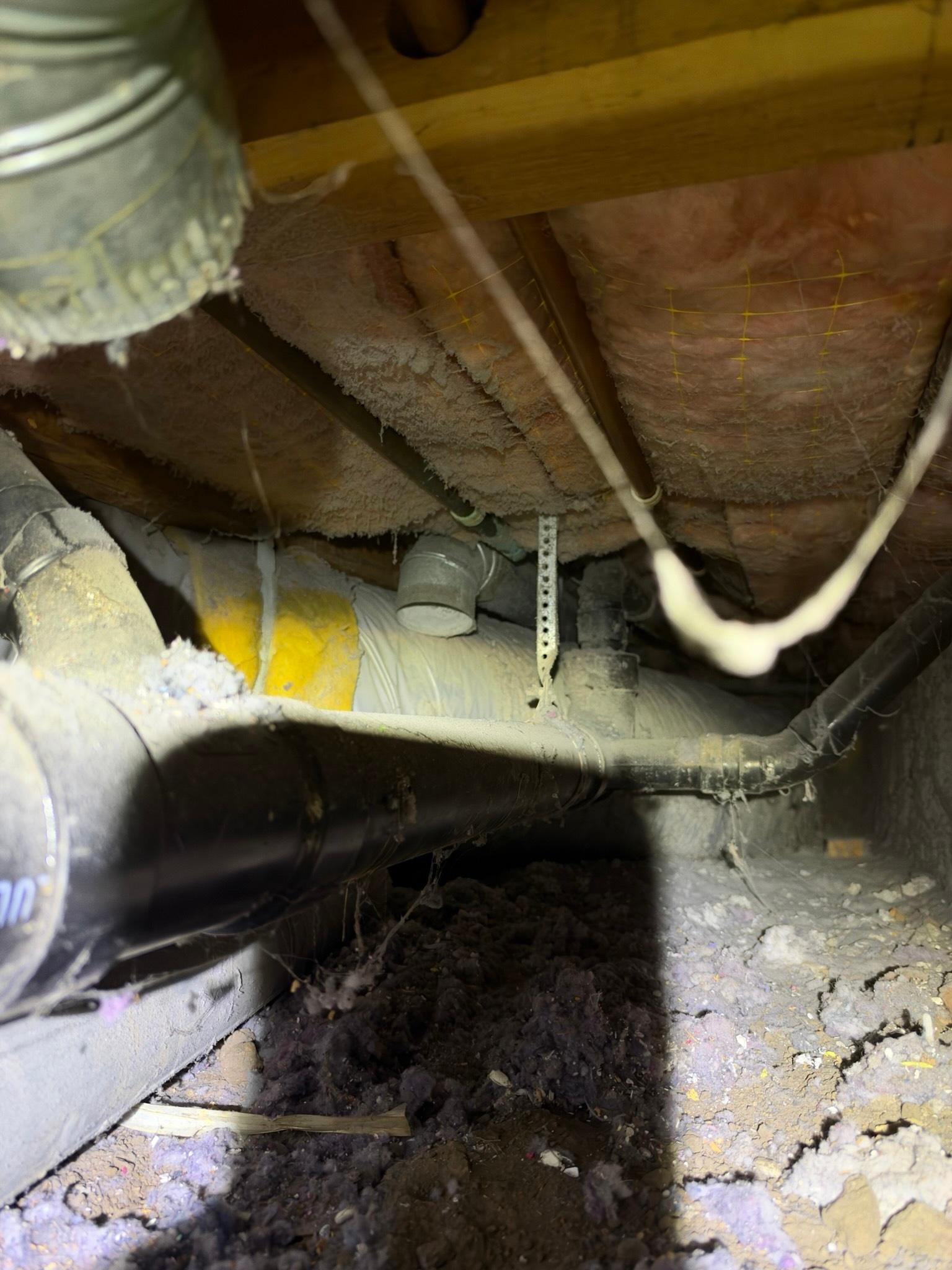
Sagging, lint-coated duct section found during inspection
What We Found
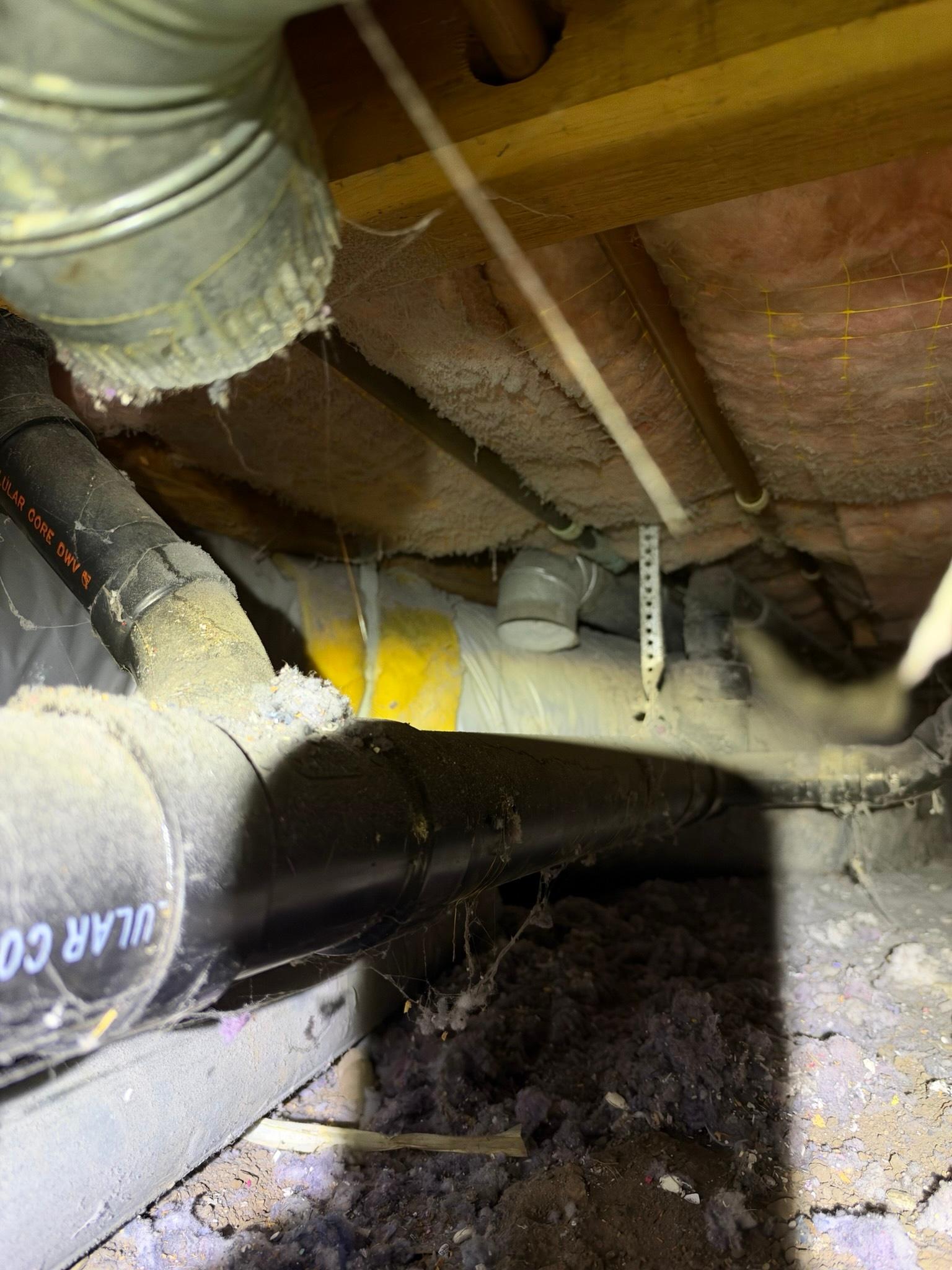
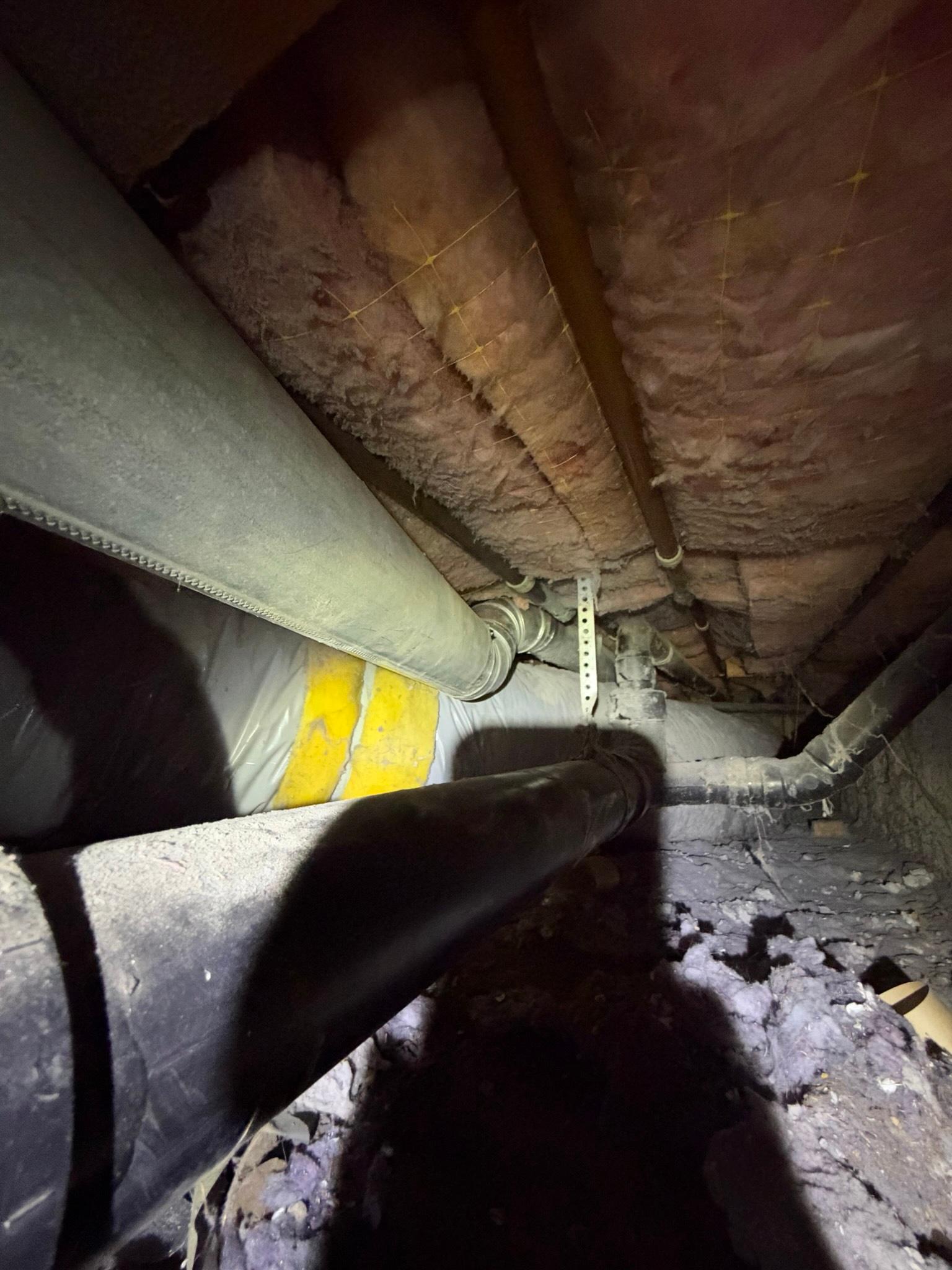
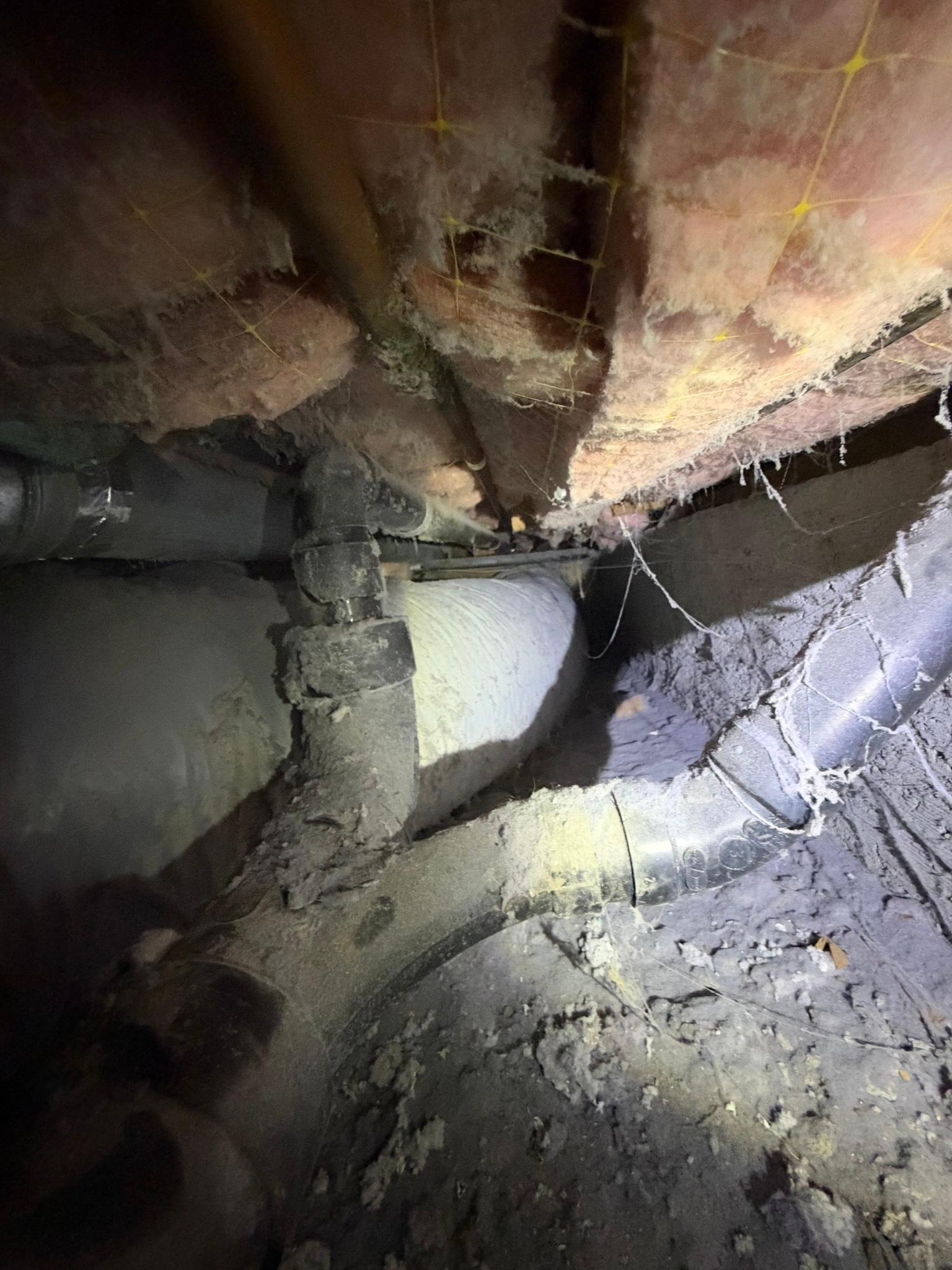
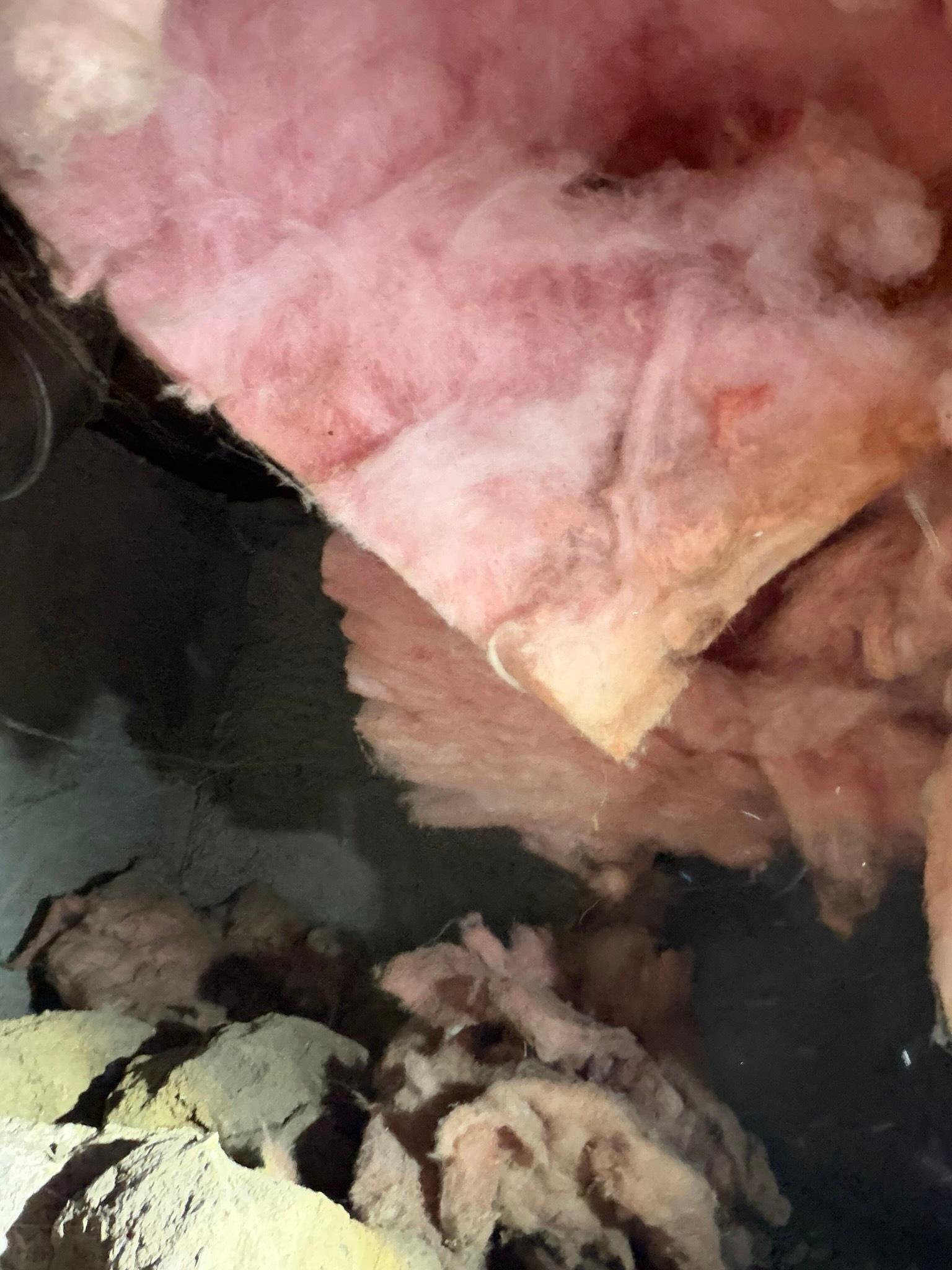
This Redwood City service call started as a residential dryer exhaust cleaning and inspection, and what we found under the house told the full story of why the homeowner's dryer wasn't performing. The exhaust duct runs through a crawlspace alongside plumbing lines before transitioning into the attic and out to the exterior, and along the way it passes through five 90-degree turns. That is an unusually high number of elbows for a residential system, and each one adds resistance that the dryer's blower has to overcome. Under the house, we discovered that two sections of the 4 inch, 26-gauge galvanized snap-lock duct had completely separated at a joint, leaving an open gap where hot, lint-laden exhaust air was blowing directly into the crawlspace instead of outdoors. The surrounding insulation and the duct exterior near that gap were matted with lint, and a loose pile of lint had accumulated on the insulation directly beneath the joint, confirming it had been leaking for some time.
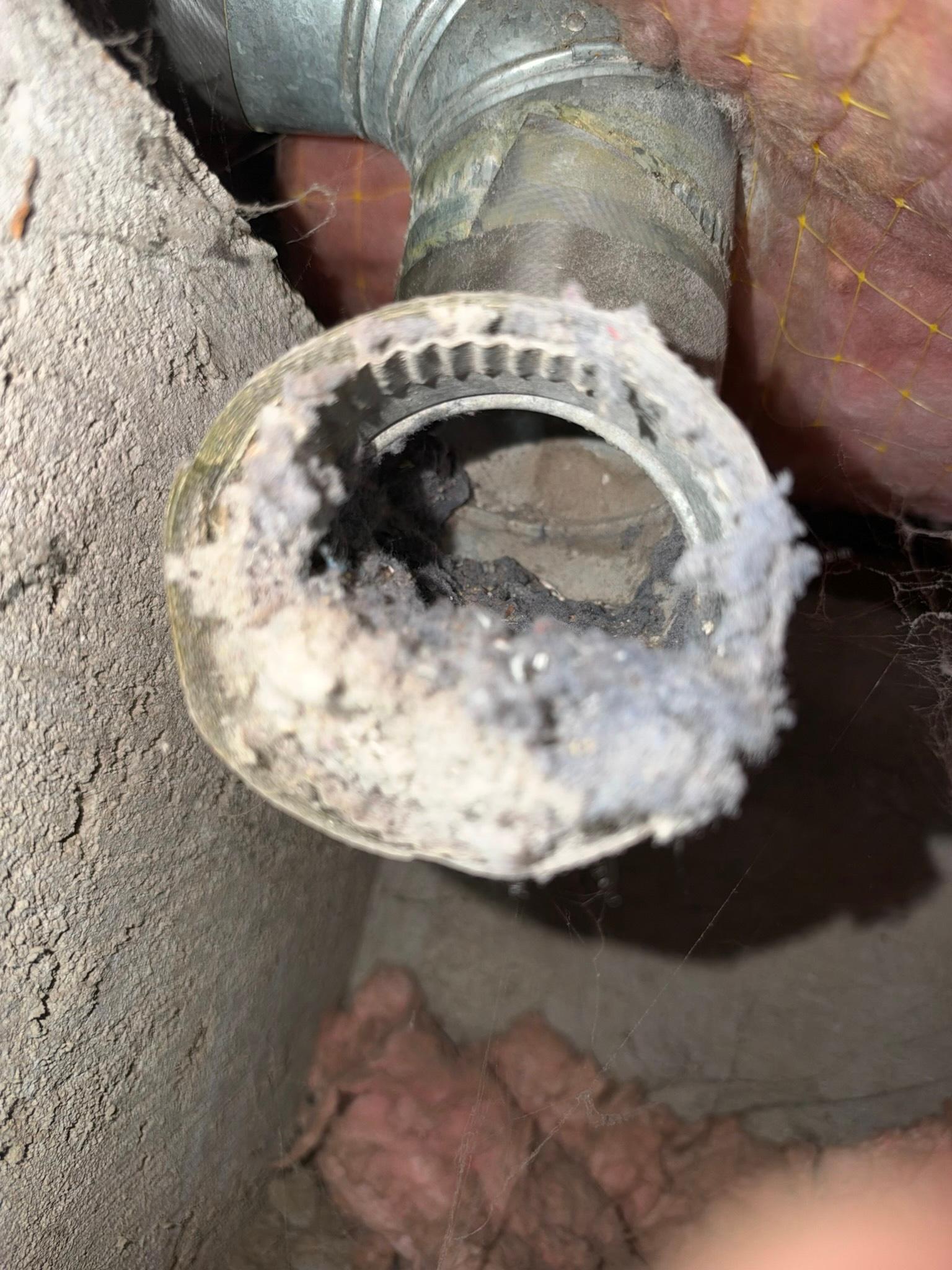
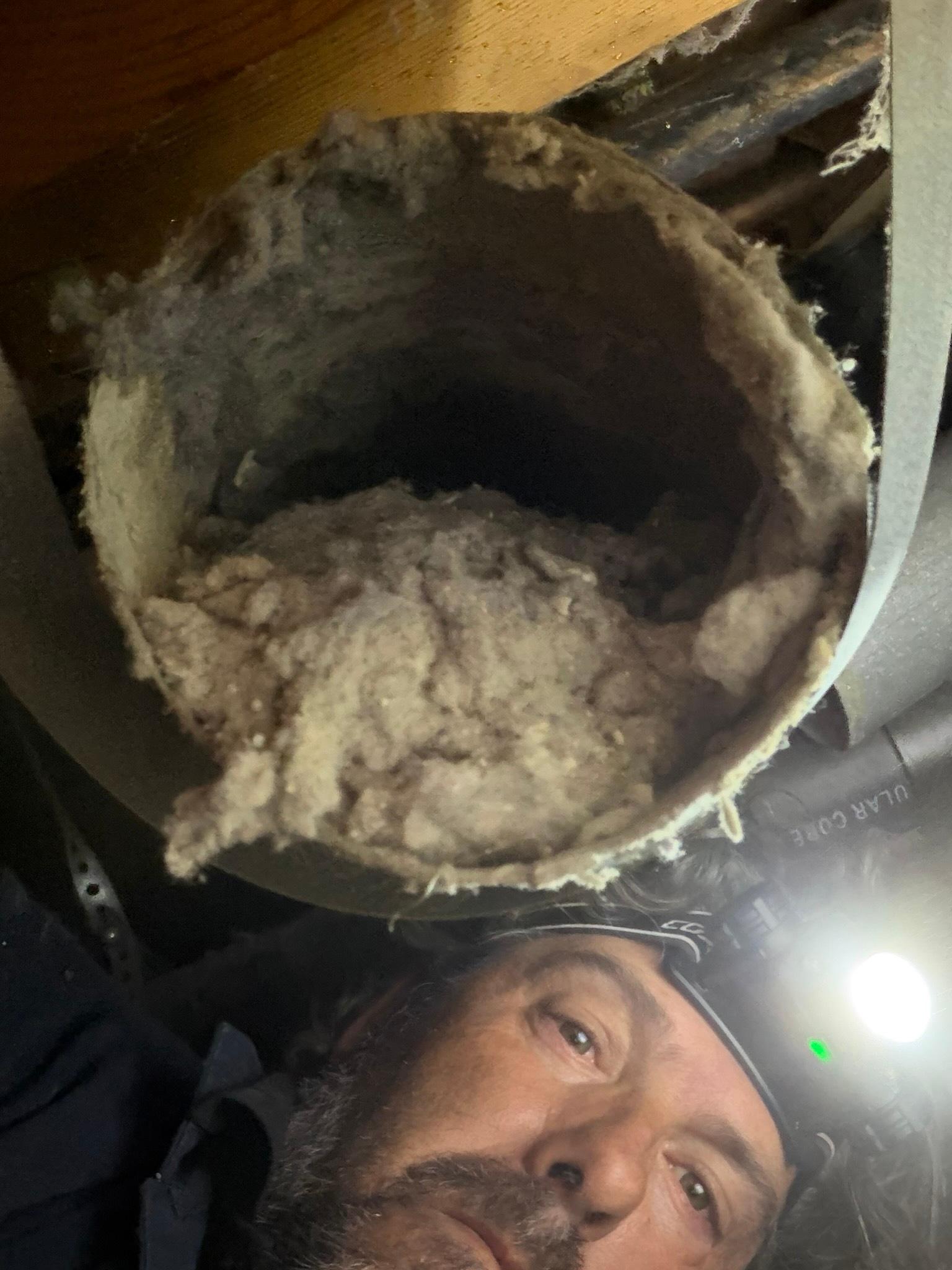
Beyond the disconnection, the duct interior itself was in poor shape. At one open duct end we found lint packed solidly around the full circumference of the opening, nearly occluding the airflow path. Further along the run, another section showed the interior packed so thick that only a small gap remained at the top of the pipe for air to pass through at all. This kind of buildup is more than a nuisance: the U.S. Fire Administration identifies lint accumulation as the leading cause of residential dryer fires, and a duct this restricted also traps heat, raising dryer surface temperatures and prolonging drying cycles well beyond normal. A section of insulated flexible duct in the attic run was also found sagging and compressed where it ties into a metal transition fitting, a drooping condition that further narrows the usable airflow path at that stretch of the exhaust run.
What We Did
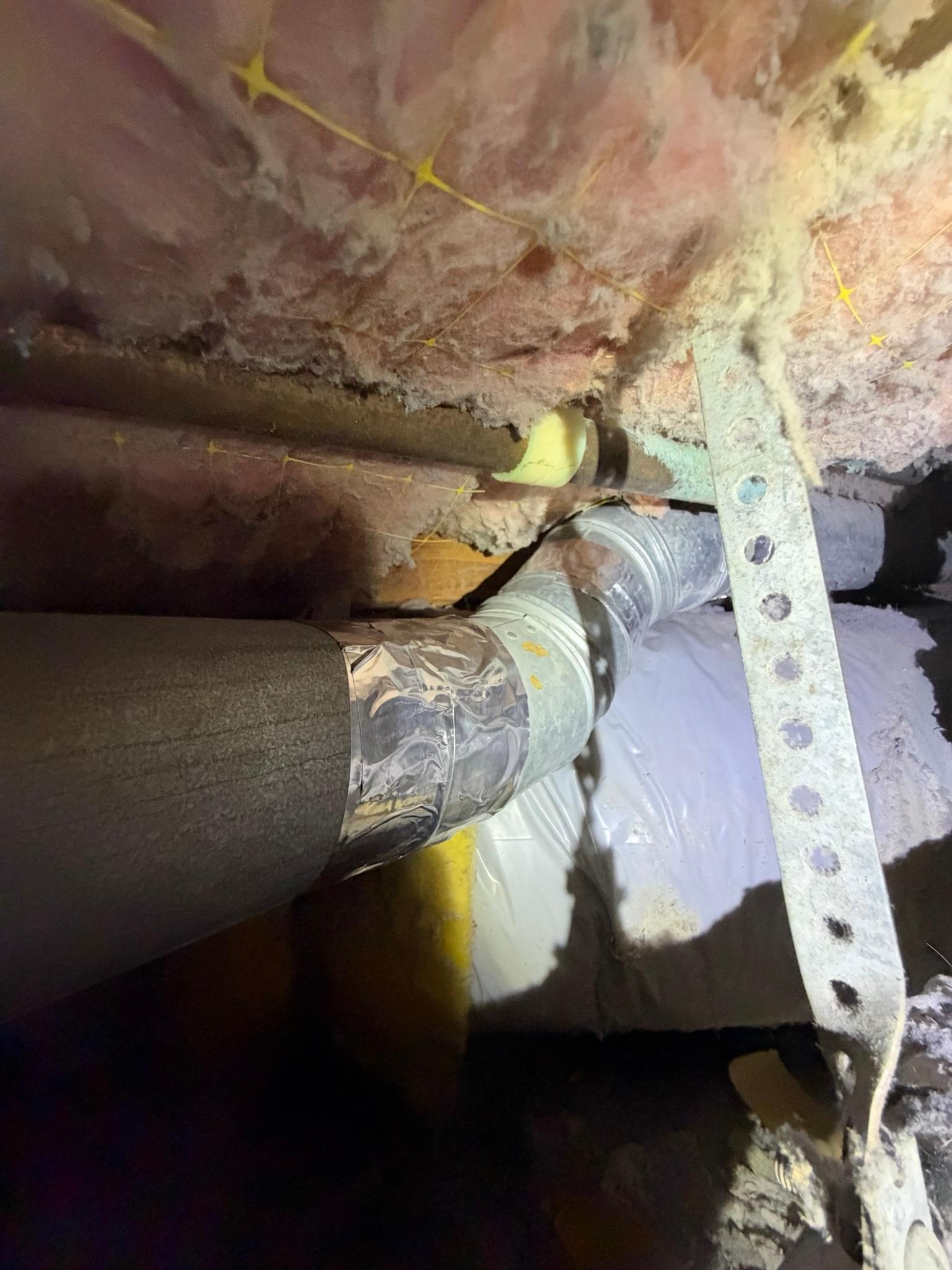
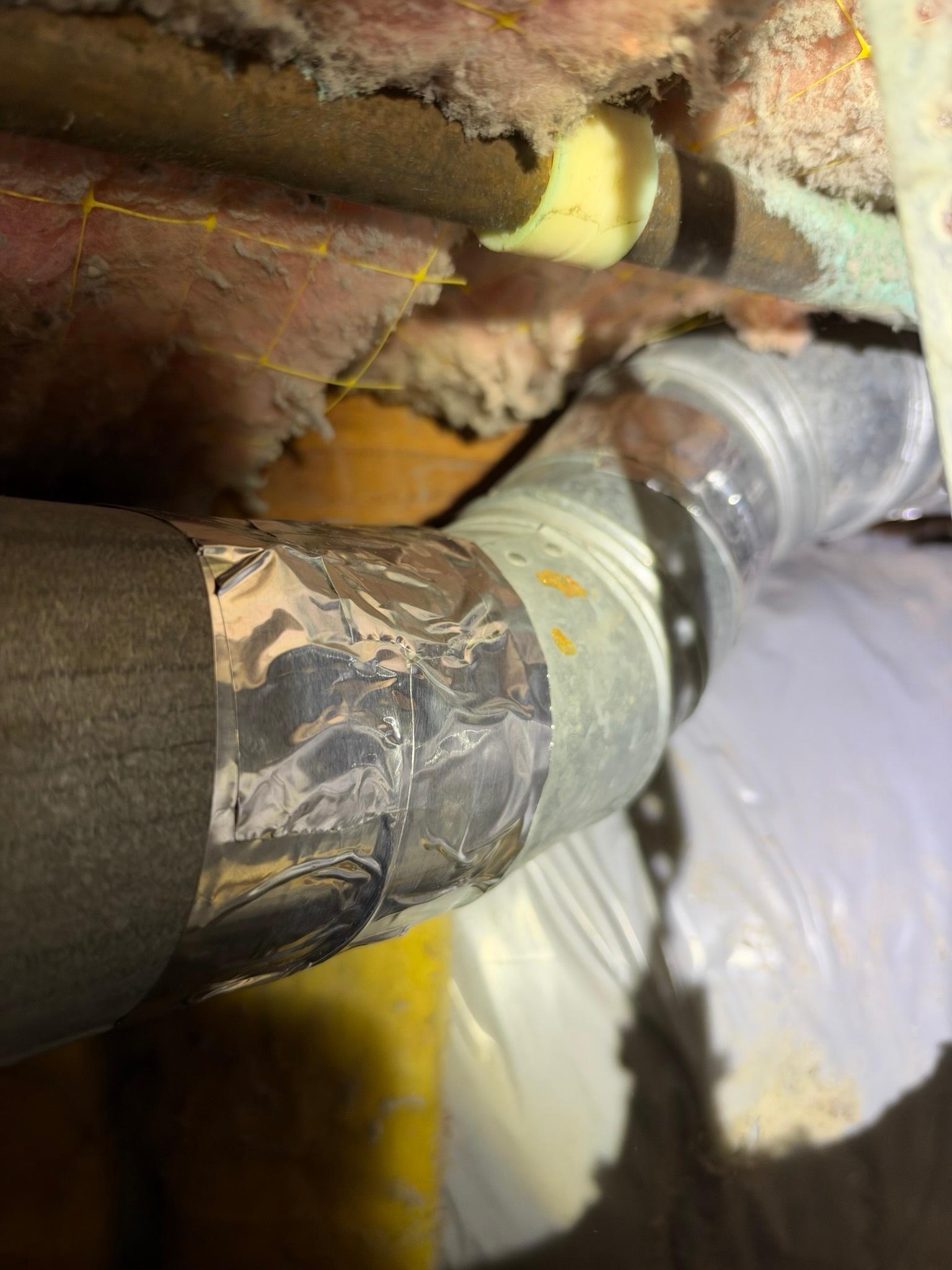
We reconnected the two separated duct sections under the house, restoring the airflow path to a continuous, enclosed route to the exterior rather than venting into the crawlspace. The joint was resecured and wrapped with three layers of UL 181B-FX rated foil duct tape to ensure a durable, airtight seal at the connection, consistent with the sealing requirement in IRC M1502.4.2. This portion of the work is billed as dryer duct installation and repair, covering the one linear foot of duct directly affected by the separation and reconnection.
With the duct reconnected, we performed the full residential dryer exhaust cleaning and inspection. Using a drill-powered rotary brush run the length of the system followed by a high-powered shop vacuum, we cleared compacted lint from every accessible section of the duct, starting at the dryer's transition connection and working through the crawlspace and attic runs to the exterior termination. The rotary brush method is effective at breaking up the dense, matted lint we found clinging to the interior walls of the rigid metal duct, material that a vacuum alone could not have removed. We inspected every visible joint along the route, including several sections of intact 4 inch, 26-gauge snap-lock pipe that were properly taped and supported with metal strapping and showed no signs of leakage, confirming that the disconnection was isolated to the one joint we repaired.
The Outcome
After cleaning and repair, the exhaust path from the dryer to the exterior termination is fully reconnected and clear of the lint blockages documented during the inspection. That said, the five 90-degree elbows in this system remain a structural characteristic of the home's layout that we flagged for the homeowner's awareness. Each 90-degree turn deducts 5 feet from the 35-foot maximum developed length allowed under IRC M1502.4.6.1, and five elbows is on the high end for a residential run. Based on the airflow observed after cleaning, the system is moving air at a rate we estimated around 1200 feet per minute, which is performing adequately for this configuration, so we recommended leaving the duct layout as is for now. If the homeowner notices longer drying times or reduced performance going forward, the next step would be replacing the standard 90-degree elbows with long-sweep 90-degree fittings, which reduce back pressure more effectively than tight-radius turns. For now, the duct is reconnected, sealed, and clear from end to end, and the fire hazard created by the heavy lint accumulation we found has been removed.
Project photos
11 photos
Need similar work in Redwood City?
Get a free quote - same-week appointments usually available.