
San Carlos · Residential Dryer Exhaust Cleaning Inspection
Dryer Vent Cleaning With Stuck Brush Removal - San Carlos
A San Carlos home's dryer vent was severely blocked by compacted lint and a lodged cleaning rod left from a DIY attempt. Our technician performed a full professional cleaning and inspection, extracting the obstruction and restoring safe, unrestricted airflow.
Completed August 18, 2026
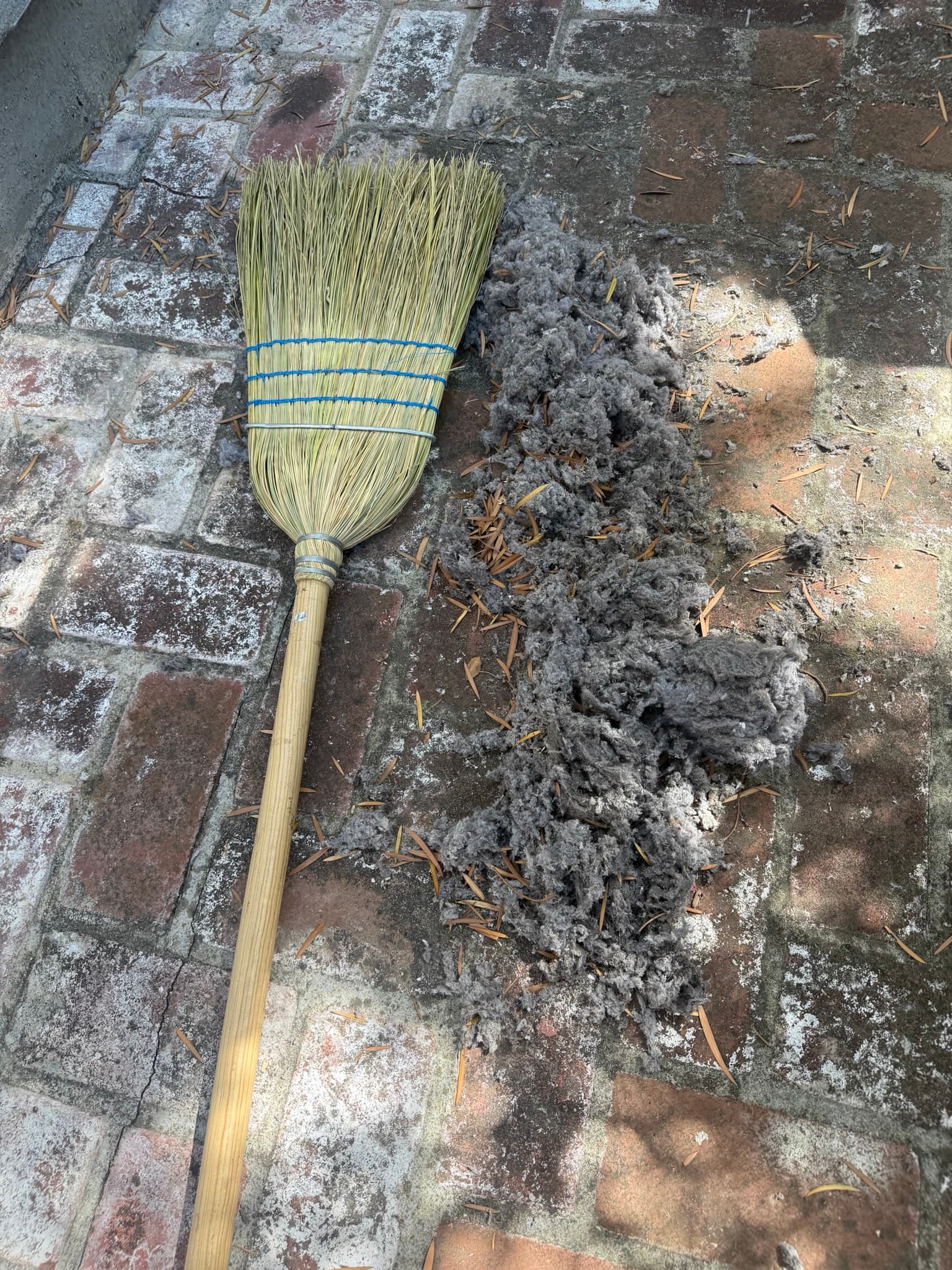
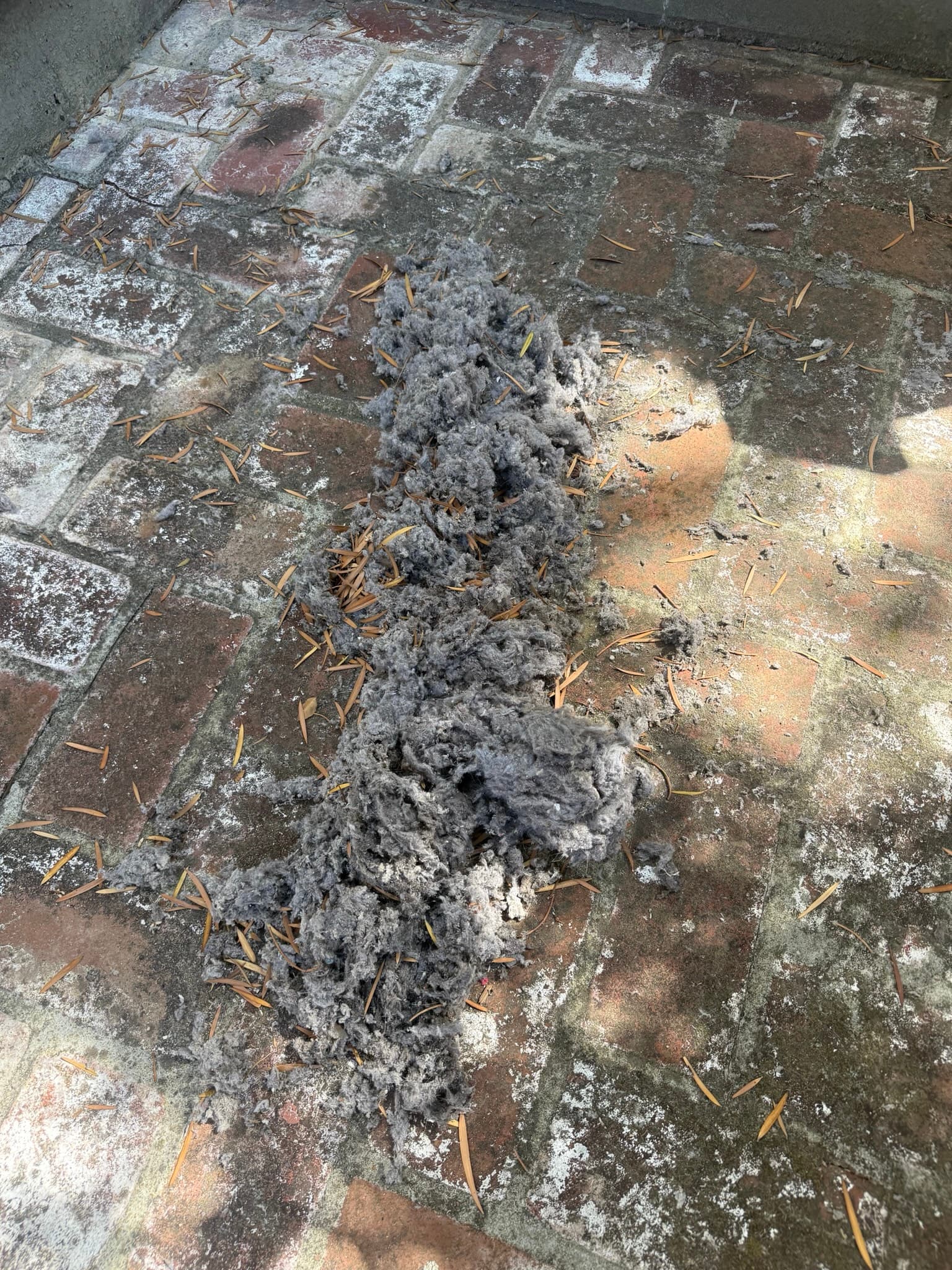
The full volume of lint and debris extracted from the duct system. The wet, dense condition of the material confirms that airflow had been critically restricted before cleaning.
What We Found
When our technician arrived at this San Carlos residence, the dryer exhaust system was in a critical state. The homeowner had attempted to clean the vent using a DIY rod-style brush kit, and one of the rods became lodged inside the duct, turning a maintenance task into a compounding hazard. The stuck rod had effectively created a hard anchor point where lint could collect even faster, and the system was no longer able to move air in any meaningful volume through the duct.
The photos from the job tell the story clearly. The duct interior was coated along its entire visible length with densely compacted gray lint mixed with fibrous organic debris, consistent with a duct that had been accumulating buildup for an extended period without professional cleaning. The duct was more than half blocked by compacted lint, which is the threshold at which back-pressure at the dryer connection becomes a serious concern, forcing exhaust temperatures higher and dramatically increasing the risk of ignition. A significant portion of the lint extracted was wet, confirming that moisture-laden exhaust had nowhere to escape and was condensing inside the duct rather than being carried to the exterior.
Why This Was Urgent
Severe lint accumulation is the leading contributing factor in residential dryer fires, and a duct that is more than half occluded presents an urgent hazard. The U.S. Fire Administration consistently identifies lint buildup as the primary cause of the roughly 2,900 home dryer fires reported annually. Beyond fire risk, a fully or partially blocked duct causes the dryer's heating element or burner to cycle under strain, shortens the appliance's service life, and can more than double drying times per load.
The wet lint recovered from this system is a particularly telling sign. When hot, moisture-laden exhaust cannot travel freely to the exterior, it cools and condenses inside the duct. That moisture saturates the surrounding lint, creating a dense, heavy plug that is even harder to shift than dry lint and accelerates corrosion of the duct walls over time. In a gas dryer installation, a blocked duct also raises concerns about the ability of combustion byproducts to fully clear the system, making prompt clearing of the blockage critical in either fuel type. IRC M1502.2 is clear that dryer exhaust systems must convey moisture entirely to the outdoors, and a condensing, plug-blocked duct is a direct failure of that requirement.
What We Did
Our technician performed a full residential dryer exhaust cleaning and inspection. The process began with an assessment of the duct run and the location of the lodged cleaning rod. Using a drill-attachment rotary brush system, we were able to break up the compacted lint throughout the duct while working the stuck rod free. A high-powered shop vacuum was run simultaneously to extract loosened debris continuously, preventing dislodged lint from settling elsewhere in the duct.
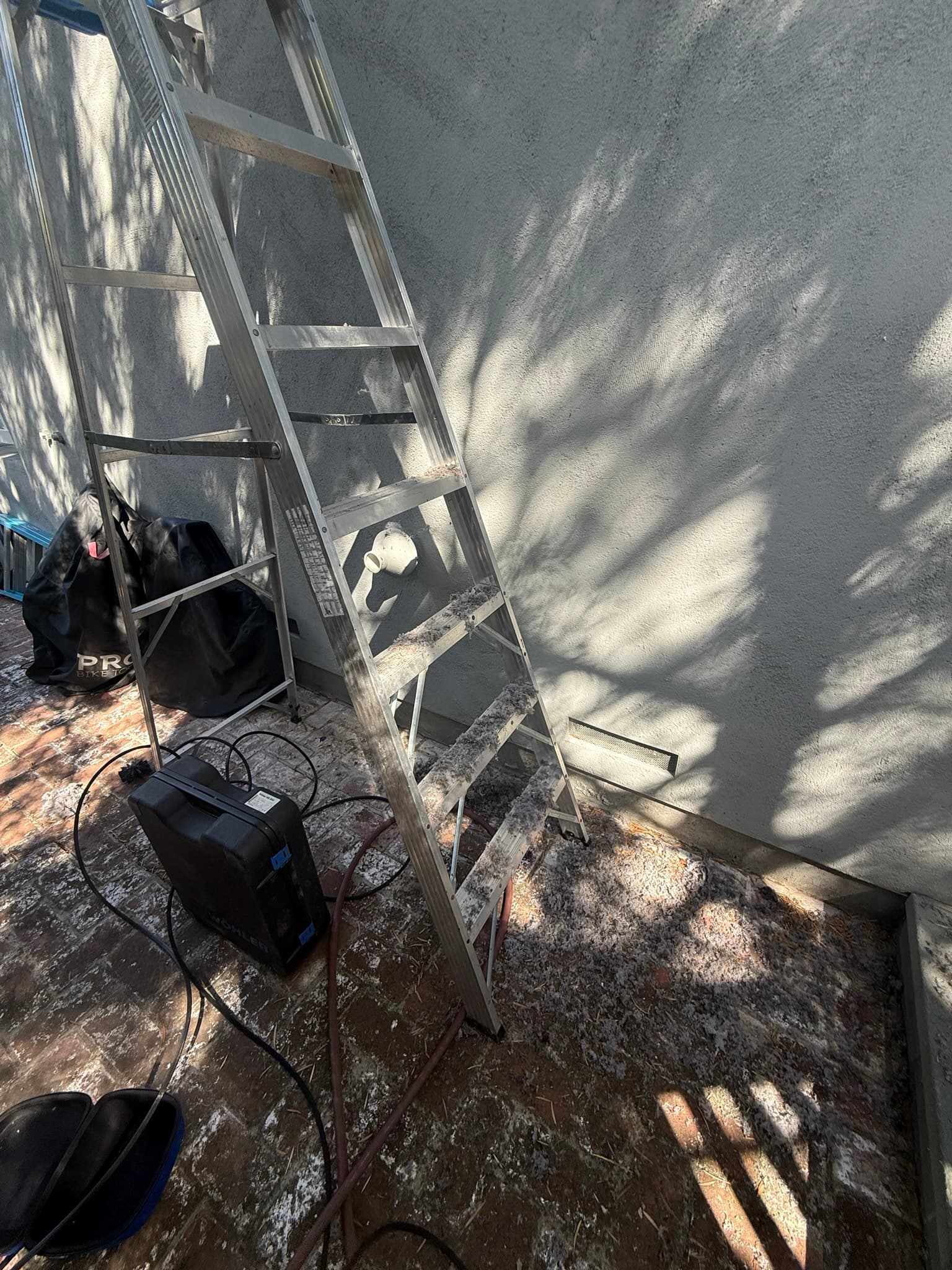
Once the obstruction was cleared, the rotary brush was driven through the full length of the system, from the dryer connection all the way to the exterior cap, ensuring that every section of duct was cleaned rather than just the area around the former blockage. The volume of material extracted was substantial, as shown in the job photos where the recovered lint pile, displayed next to a broom for scale, illustrates just how much compacted debris had been restricting the system. The cleaning also included an inspection of the exterior termination point, visible in our photos showing the exterior wall access opening with its metal collar.
The Outcome
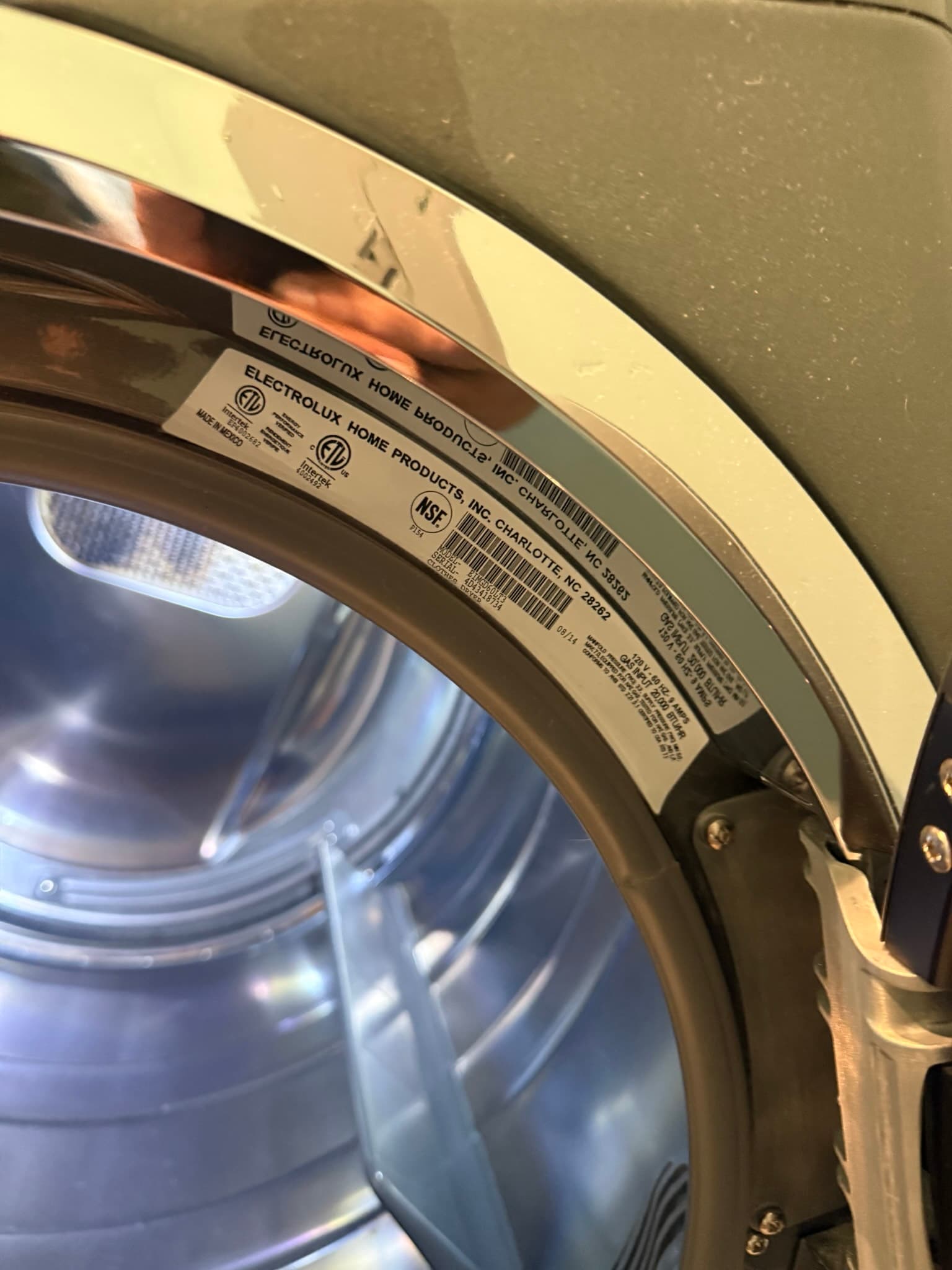
After cleaning, the duct was restored to a clear, unobstructed condition capable of properly exhausting warm, moist air from the Electrolux electric dryer connected to the system. The dryer, which showed a clean drum interior and intact door seal during inspection, can now operate as designed without fighting back-pressure from a clogged duct.
The homeowner's experience is a useful caution for anyone considering a DIY vent cleaning. Consumer rod-and-brush kits are not designed to handle severe blockages, and a rod that becomes lodged in a clogged duct is difficult to extract without professional equipment. What begins as a cost-saving effort can quickly create a more serious and more expensive problem. Professional cleaning with rotary brush equipment and simultaneous vacuum extraction is the correct approach, particularly when buildup is significant or when previous DIY attempts have been made.
Keeping the System Safe Going Forward
National fire safety guidance, as well as the practical reality of how lint accumulates, supports annual professional dryer vent inspection and cleaning for most households. Homes with longer duct runs, more frequent laundry loads, or dryers positioned far from an exterior wall may benefit from more frequent service. Any time drying times begin to increase noticeably, or the exterior cap is not visibly opening and closing with each dryer cycle, those are signs that the system should be inspected. Keeping the duct clear is one of the simplest and most effective fire prevention steps a homeowner can take.
Project photos
4 photos
Need similar work in San Carlos?
Get a free quote - same-week appointments usually available.