San Francisco · Residential Dryer Exhaust Cleaning Inspection
Dryer Vent Cleaning & Inspection in San Francisco, CA
A San Francisco home's dryer vent had severe lint accumulation at the exterior cap, restricting airflow and creating a fire hazard. We performed a full inspection, deep rotary-brush cleaning, and airflow test to restore safe, efficient dryer exhaust.
Completed July 21, 2026
Verified customer review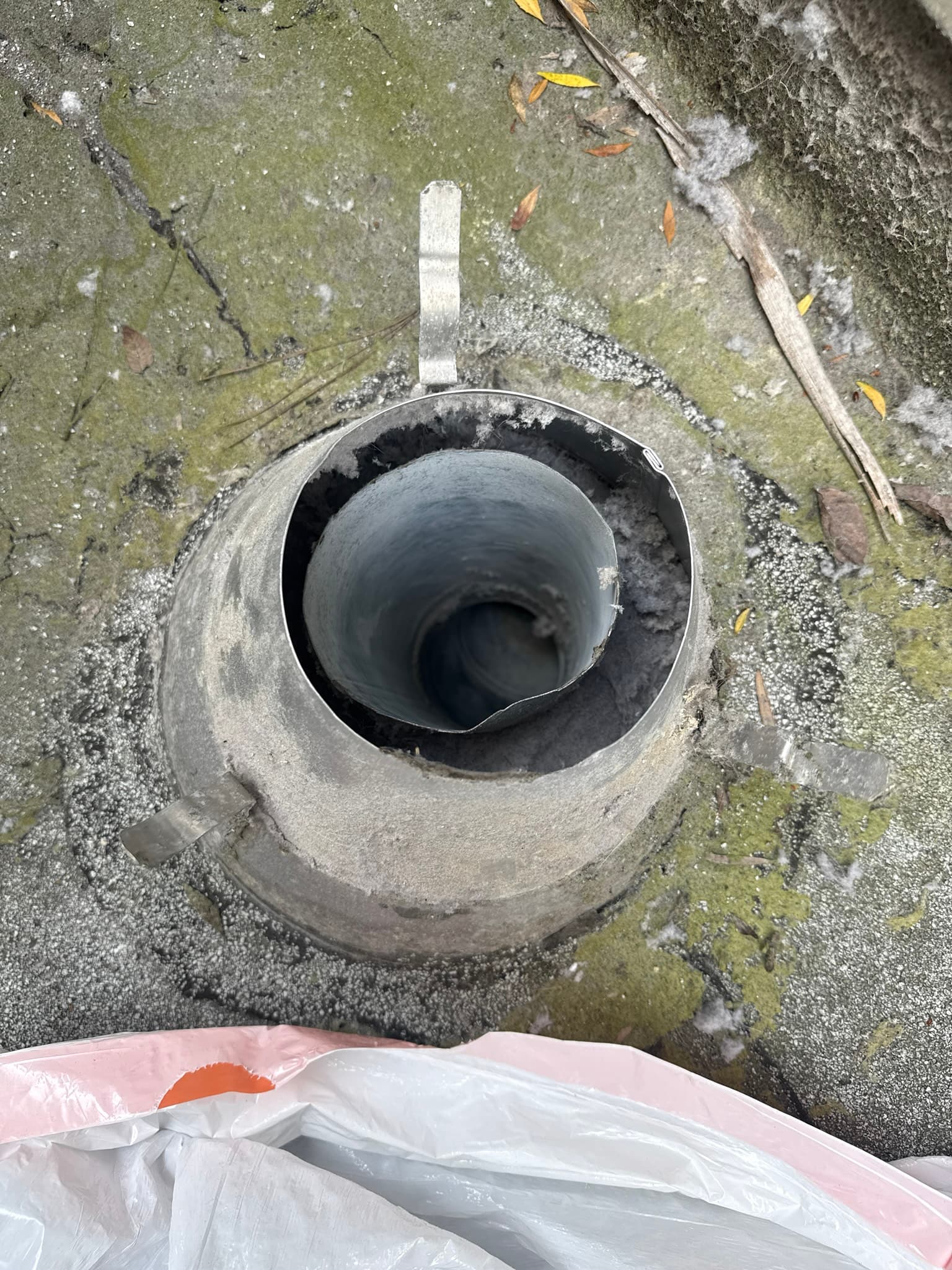
After cleaning: the cap interior is clear, the damper operates freely, and the full duct system passed a camera inspection
What We Found
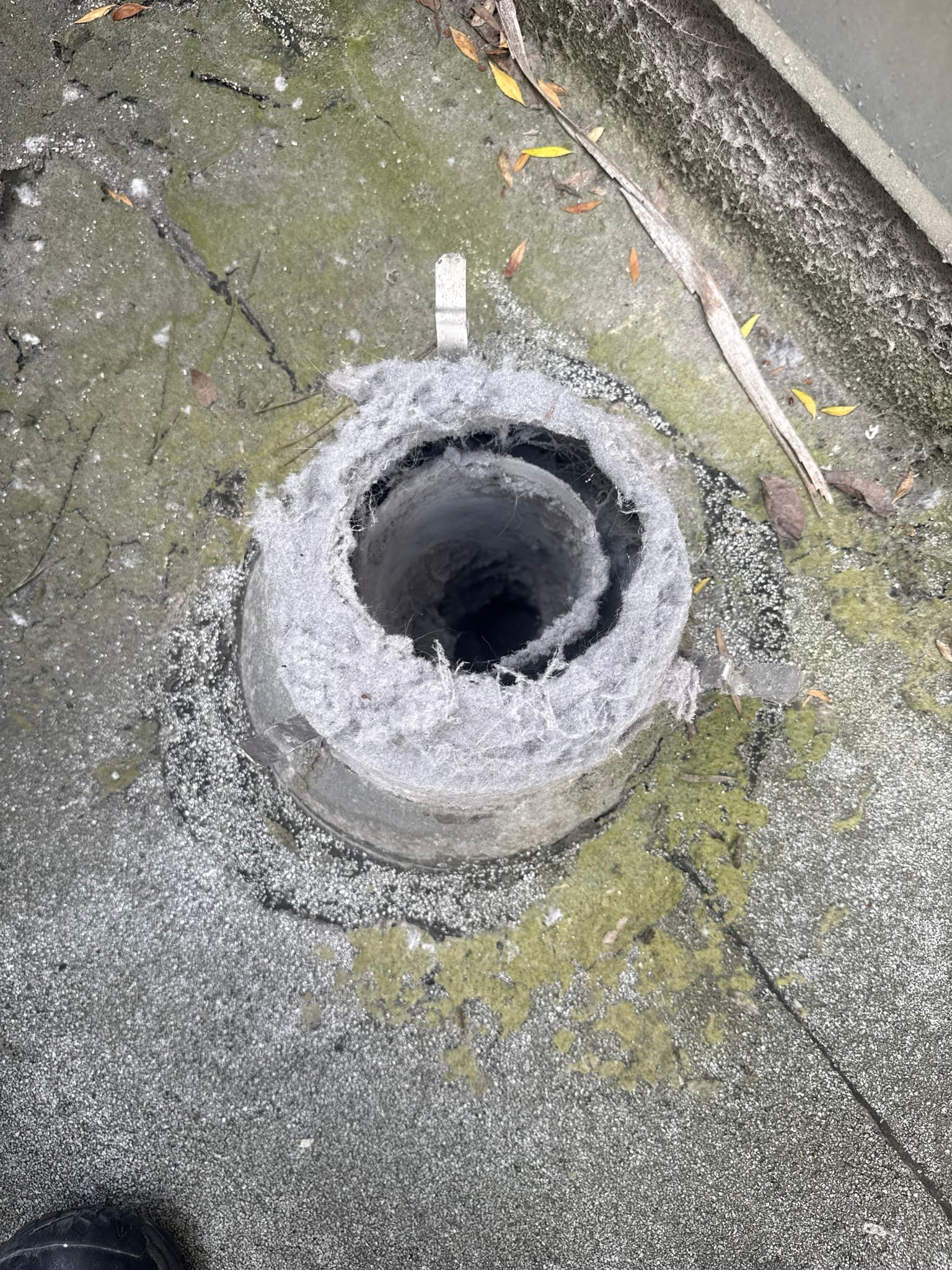
When our technician arrived at this San Francisco residence, the exterior dryer vent cap told the story immediately. Thick, compacted lint had built up heavily around and inside the cap's collar, partially blocking the exhaust opening. The cap itself showed weathering consistent with years of exposure to the Bay Area's coastal climate, with organic growth visible on the surrounding roof surface. Lint was caked onto the rim and interior surfaces of the cap, a clear sign that exhaust air had been forced through a significantly restricted opening for an extended period.
Severe lint accumulation like this is not a cosmetic issue. When a duct is heavily occluded, the dryer must work against elevated back-pressure, which causes exhaust temperatures to climb well above normal operating range at the dryer connection. The U.S. Fire Administration links lint buildup to thousands of residential dryer fires each year, and a partially blocked termination cap is one of the most common points where that buildup concentrates. Per IRC M1502.1, a dryer exhaust system must be maintained in a condition that allows the dryer to operate within its manufacturer's specifications, and an obstructed termination directly undermines that requirement.
What We Did
We performed our full Residential Dryer Exhaust Cleaning and Inspection service, which covers every segment of the duct from the dryer connection to the exterior cap. The cleaning process uses a drill-powered rotary brush to dislodge compacted lint from the duct walls, working through the entire run systematically. A high-powered shop vacuum ran simultaneously to capture the loosened debris as it was driven out, preventing it from settling into other sections of the duct or the living space.
The exterior cap received focused attention given the volume of lint present at the termination. Material was cleared from the cap's interior collar and the surrounding area, and the damper mechanism was checked to confirm it could open freely with airflow and close by gravity when the dryer is off, as required by IRC M1502.3. After the cleaning was complete, we ran the dryer and passed a camera through the full length of the exhaust system to confirm the duct was clear and that all joints were properly aligned along the run.
The Results
After cleaning, the duct interior was confirmed clear of significant lint accumulation, and the exterior cap opened and closed freely. The camera pass showed a clean duct interior with correctly oriented joints throughout the system. Airflow at the termination was visibly restored, with exhaust moving unobstructed through the cap on the first test run.
The difference between the before and after condition of this vent was substantial. What had been a partially blocked, lint-caked termination was returned to a clean, functional exhaust outlet. For this San Francisco homeowner, that means shorter drying cycles, less wear on the dryer motor, and significantly reduced fire risk going forward. Routine professional cleaning, typically recommended once per year for a household with average laundry volume, is the most effective way to keep the system in this condition.
Why Regular Dryer Vent Maintenance Matters
San Francisco's older housing stock often features longer or more complex duct runs than newer construction, with ducts routed through multiple floors or walls to reach an exterior termination. Longer runs, more elbows, and the damp coastal climate can all contribute to faster lint accumulation and condensation inside the duct. IRC M1502.2 requires that the dryer exhaust system convey moisture to the outdoors independently of all other systems, and any blockage that traps humid exhaust air inside the duct works against that requirement.
A professional cleaning and inspection catches problems early, before restricted airflow becomes a safety emergency. This job is a good example of a system that was functioning but operating under conditions that posed real risk. The homeowner now has a clean system, documented by a post-cleaning camera inspection, and a clear baseline for future maintenance scheduling.
Project photos
2 photos
What the customer said
“To notch service from Mike, informative, knowledgeable and flexible. First rate all round.”
Need similar work in San Francisco?
Get a free quote - same-week appointments usually available.