Burlingame · Residential Dryer Exhaust Cleaning Inspection
Dryer Vent Cleaning & Inspection in Burlingame, CA
A Burlingame home received a full dryer exhaust cleaning and inspection, including a deep rotary brush cleaning from the dryer connection to the exterior cap and a before-and-after airflow assessment to confirm a clear, fire-safe vent system.
Completed September 14, 2026
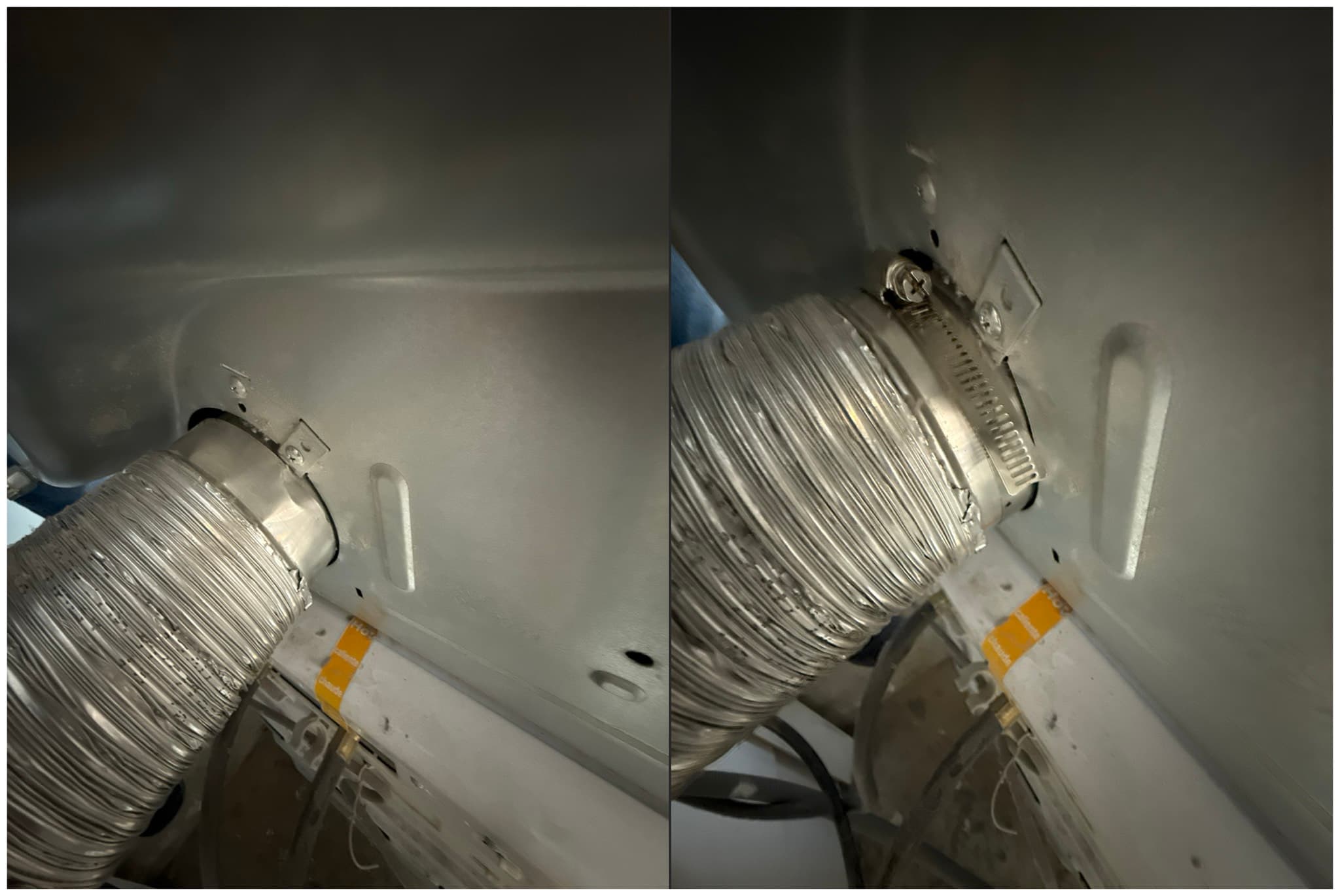
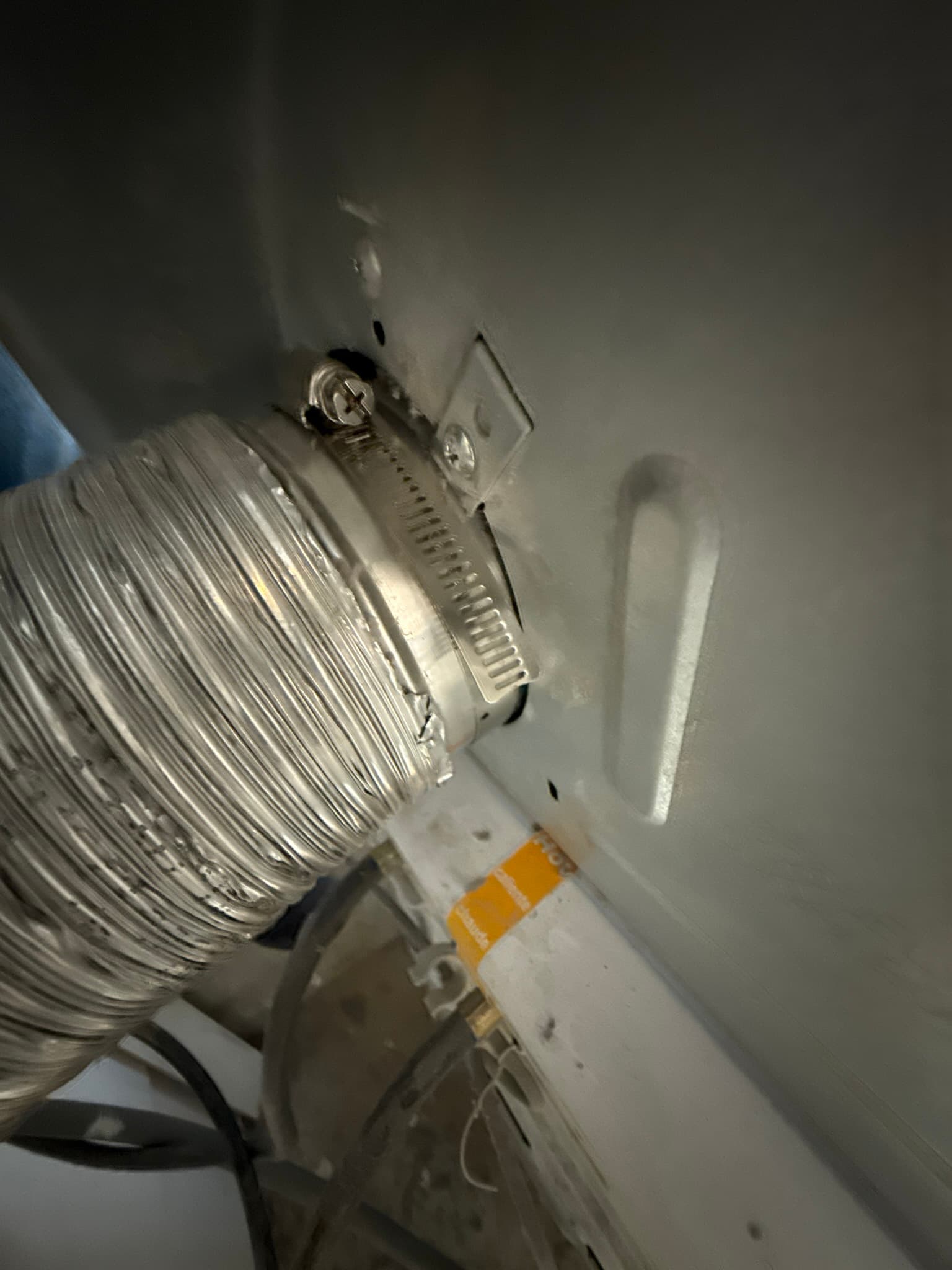
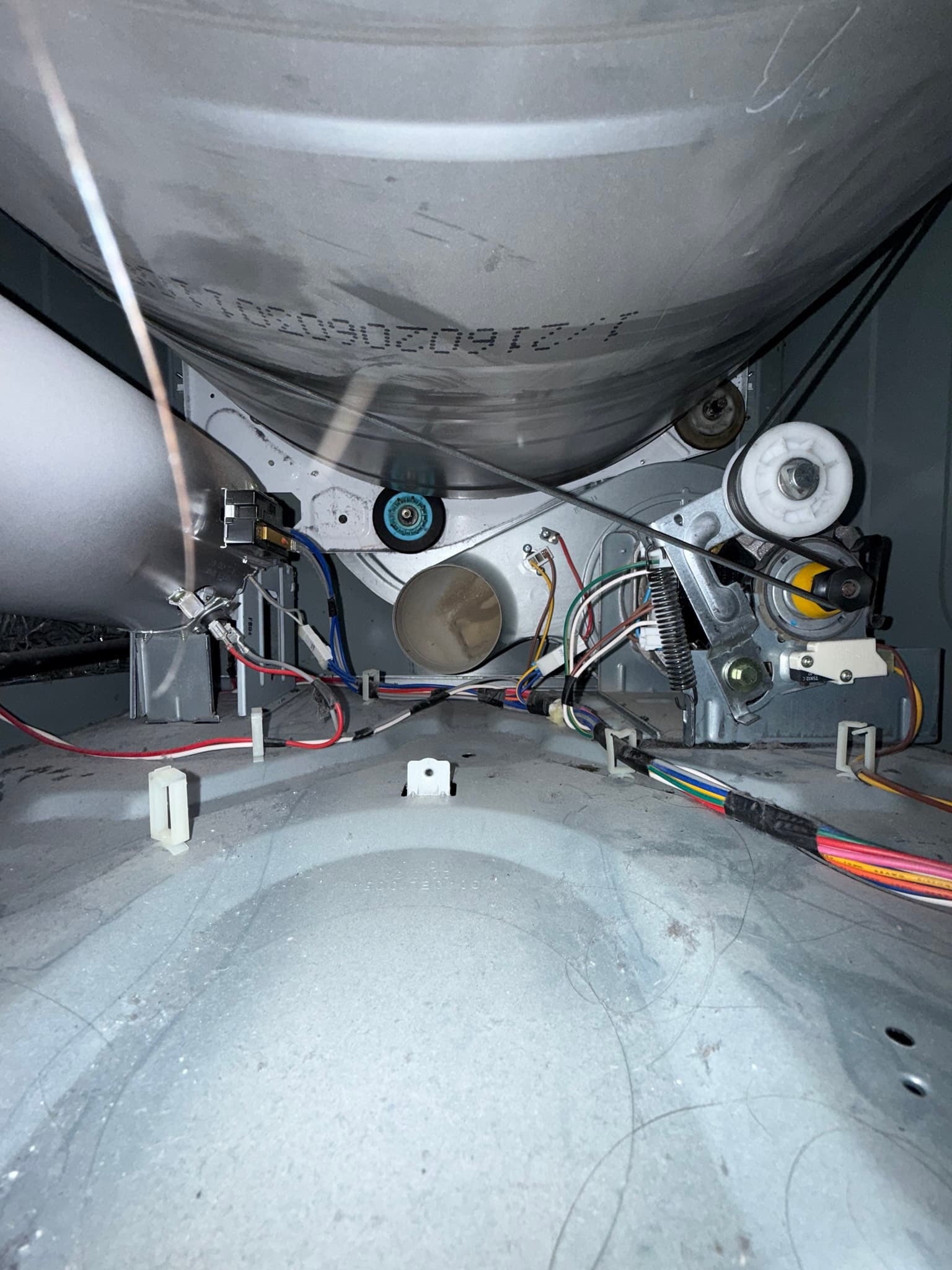
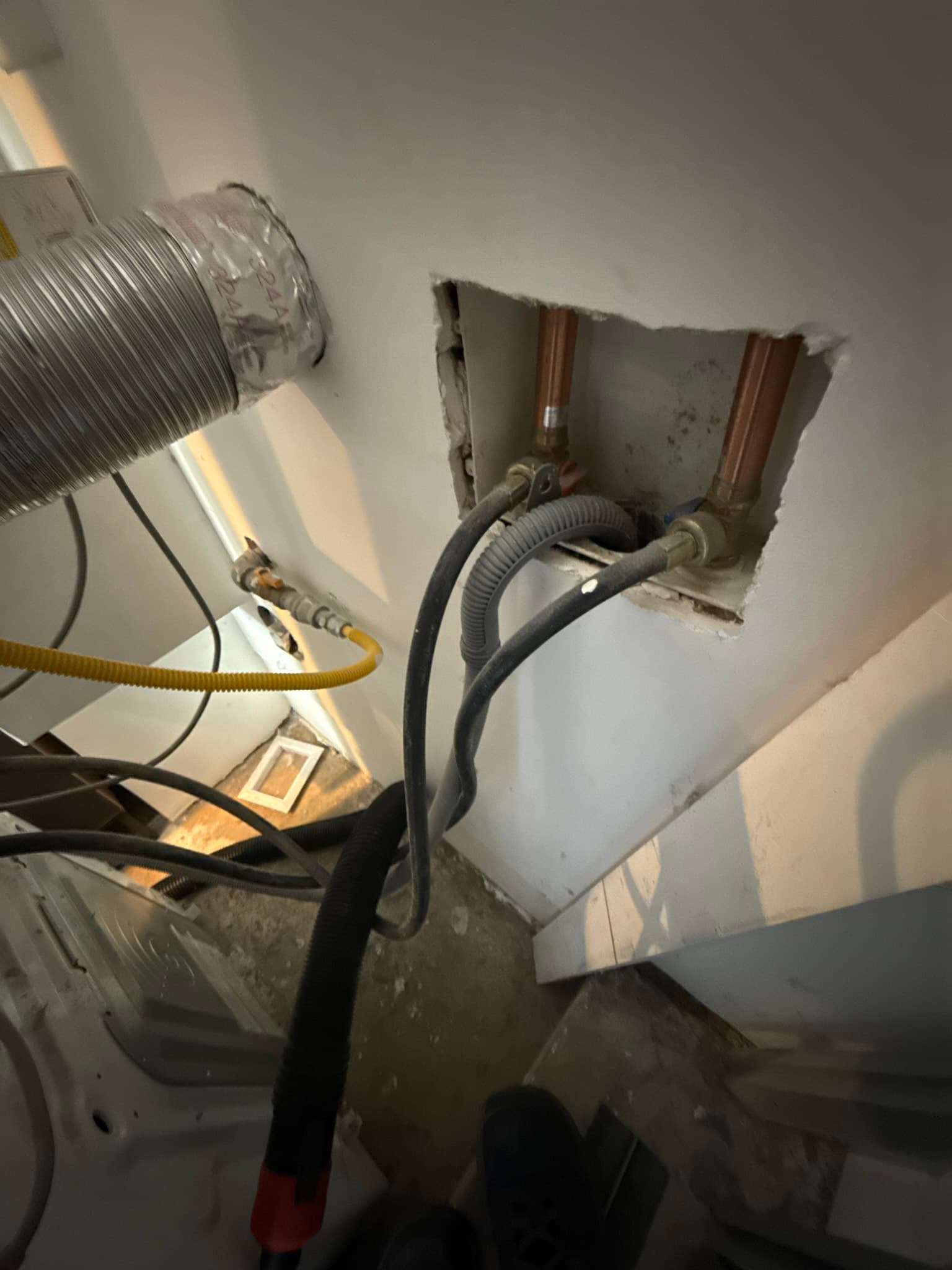
A hose clamp was added at the dryer outlet connection to ensure lint cannot escape behind the appliance
What We Found
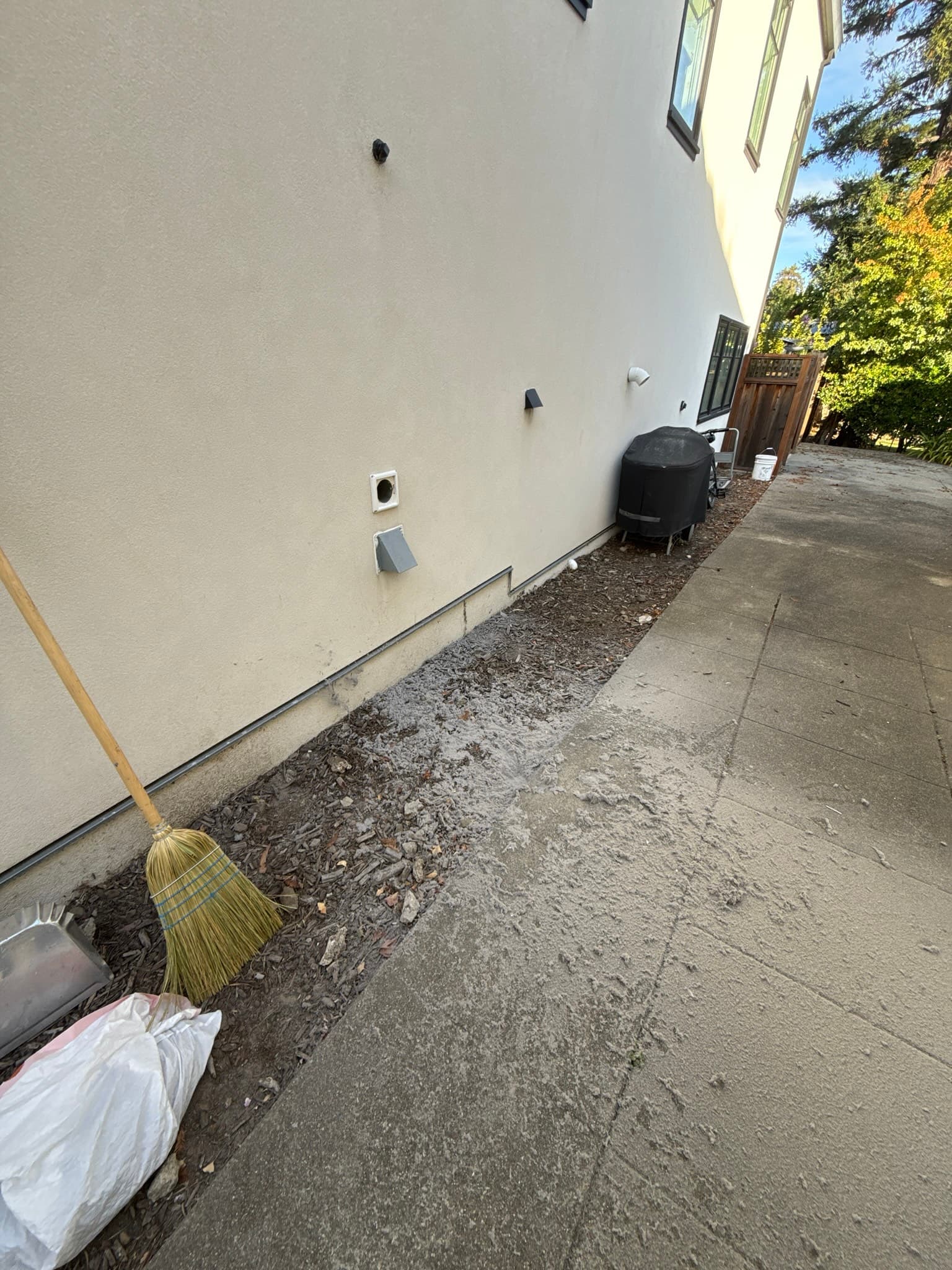
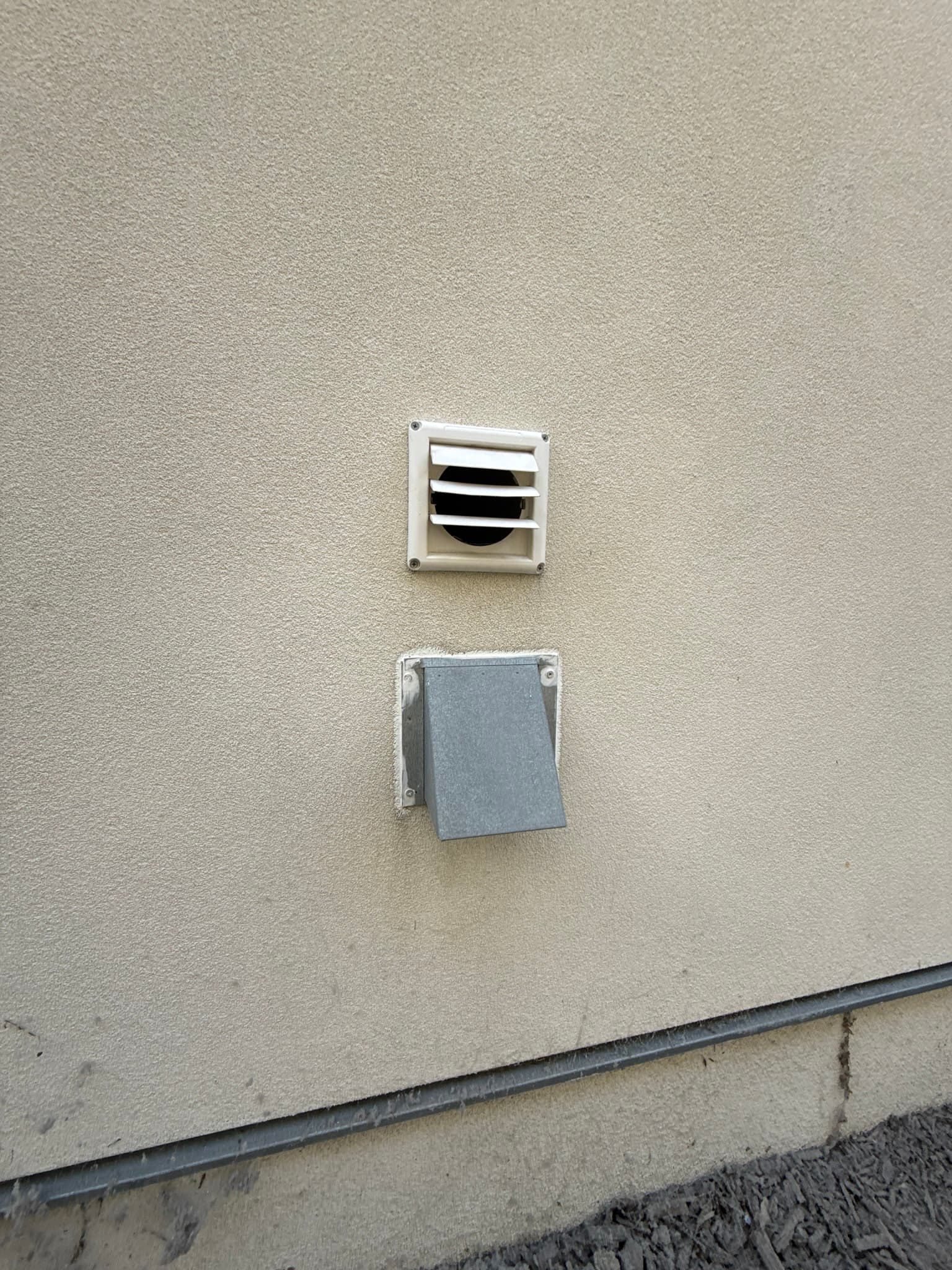
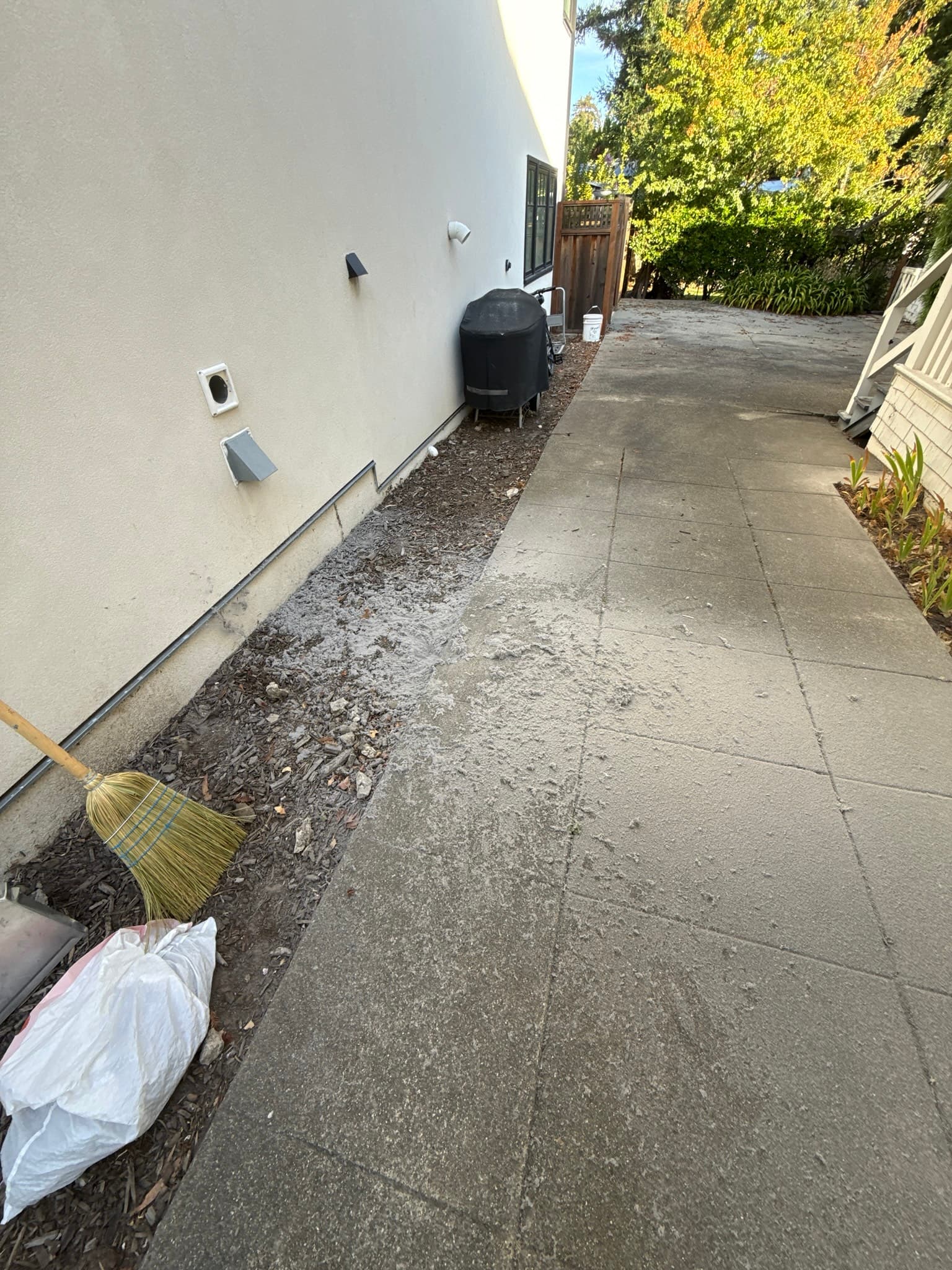
When our technician arrived at this Burlingame residence, the dryer exhaust system showed the telltale signs of a vent that was overdue for professional service. Photos taken before work began reveal lint and dust accumulation on the flexible transition duct and at the wall connection point, with additional buildup visible at interior duct surfaces. The exterior wall of the building features multiple dryer vent terminations at varying heights, which is common in multi-unit or larger residential structures in the Bay Area. Each cap requires individual inspection because a blockage at one termination does not always make itself obvious from another unit's perspective. The louvered vent caps on this property showed weathering and some discoloration consistent with normal outdoor exposure. One lower cap appeared to have its damper flap in a closed or restricted position, which warranted a closer look to confirm the damper was operating freely rather than being obstructed.
What the Inspection Involved
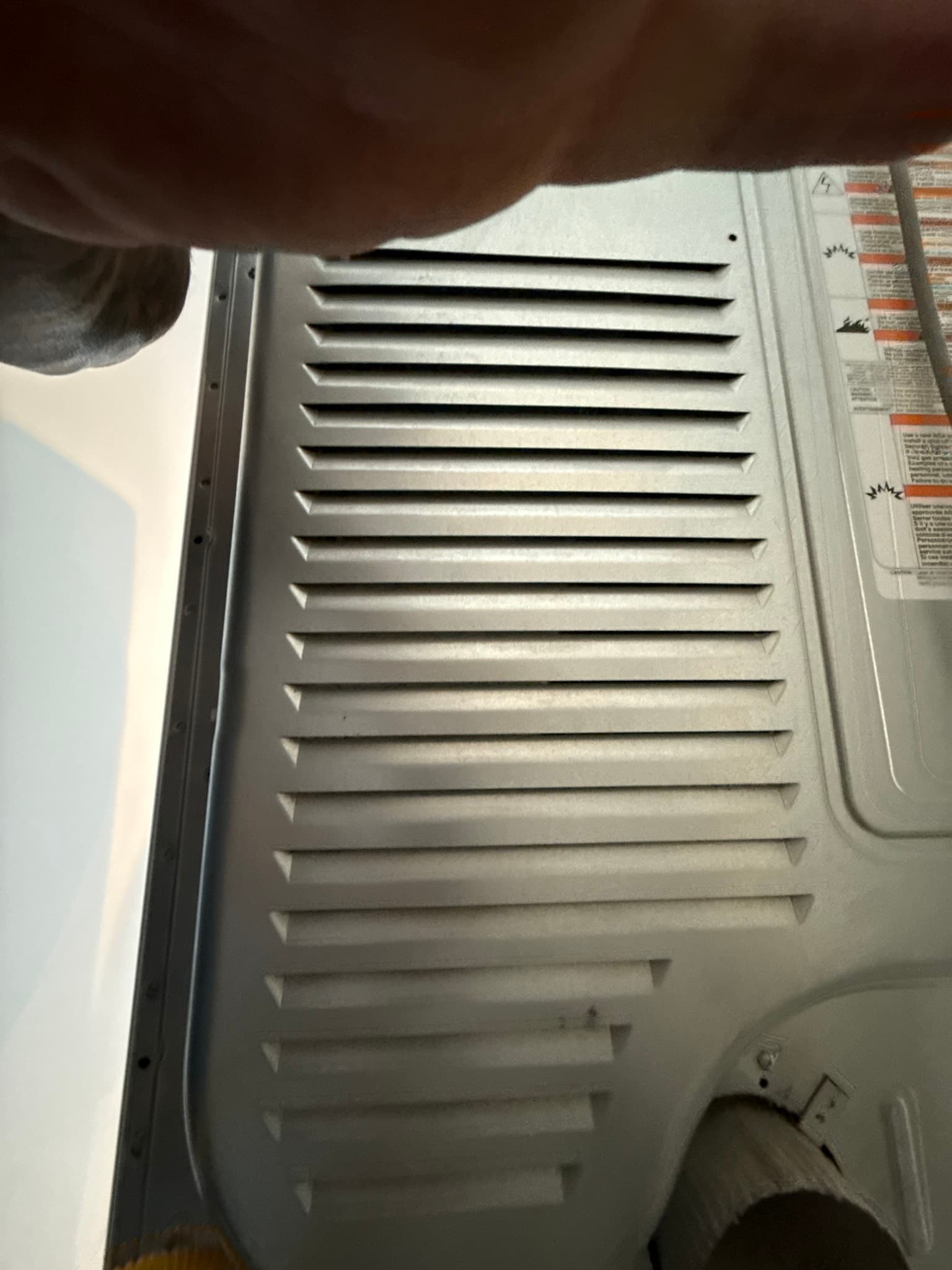
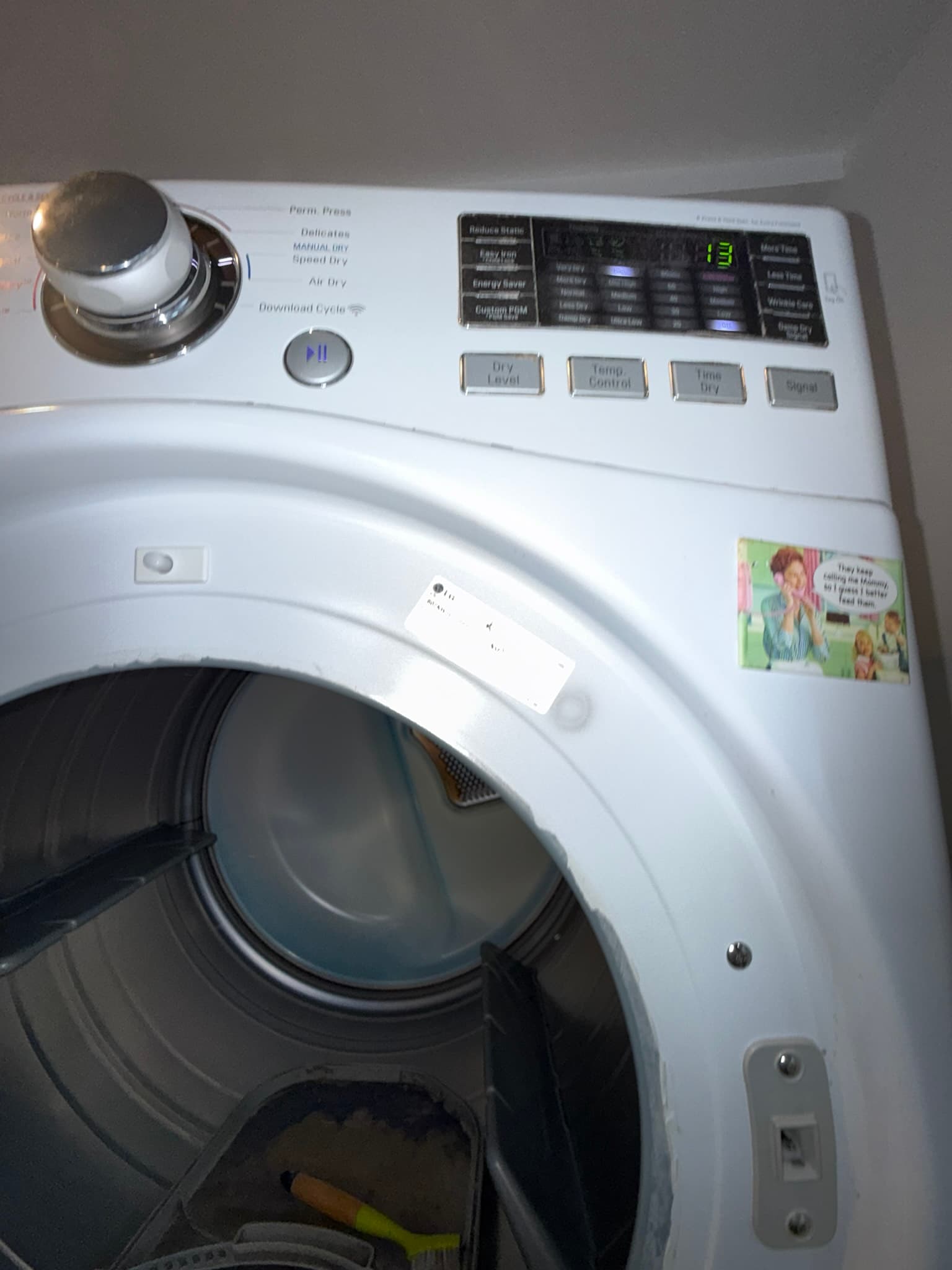
Our standard residential dryer exhaust service begins with a thorough visual inspection of every accessible component: the dryer connection at the appliance, the transition duct behind the dryer, the wall-mounted duct connector, the concealed main duct run, and the exterior termination cap. The appliance on this job is an LG gas dryer (model DLGX331M), a front-loading unit. For gas dryers, proper exhaust flow is especially important because a restricted or blocked vent can cause combustion byproducts to back up rather than exhaust fully to the outdoors. Per IRC M1502.1, the dryer must be vented in accordance with the manufacturer's instructions, and gas dryer manufacturers universally require an unobstructed, code-compliant exhaust path. We also verified the transition duct connection at the rear of the appliance, which connects the dryer outlet to the wall-mounted duct fitting.
The Cleaning Process
The core of this service is a deep cleaning using a drill-powered rotary brush system combined with a high-powered shop vacuum. The rotary brush is worked through the full length of the exhaust duct from the dryer connection to the exterior termination, dislodging compacted lint from the duct walls and elbows along the entire run. The shop vac captures loosened debris as it is agitated free, preventing lint from settling elsewhere in the system. This method is far more effective than compressed air alone because the mechanical action of the rotating brush breaks up lint that has matted and compacted against the duct interior over time. The U.S. Fire Administration attributes roughly 15,000 residential dryer fires each year primarily to lint accumulation, making thorough cleaning the single most important maintenance step a homeowner can take.
Connection Point Detail
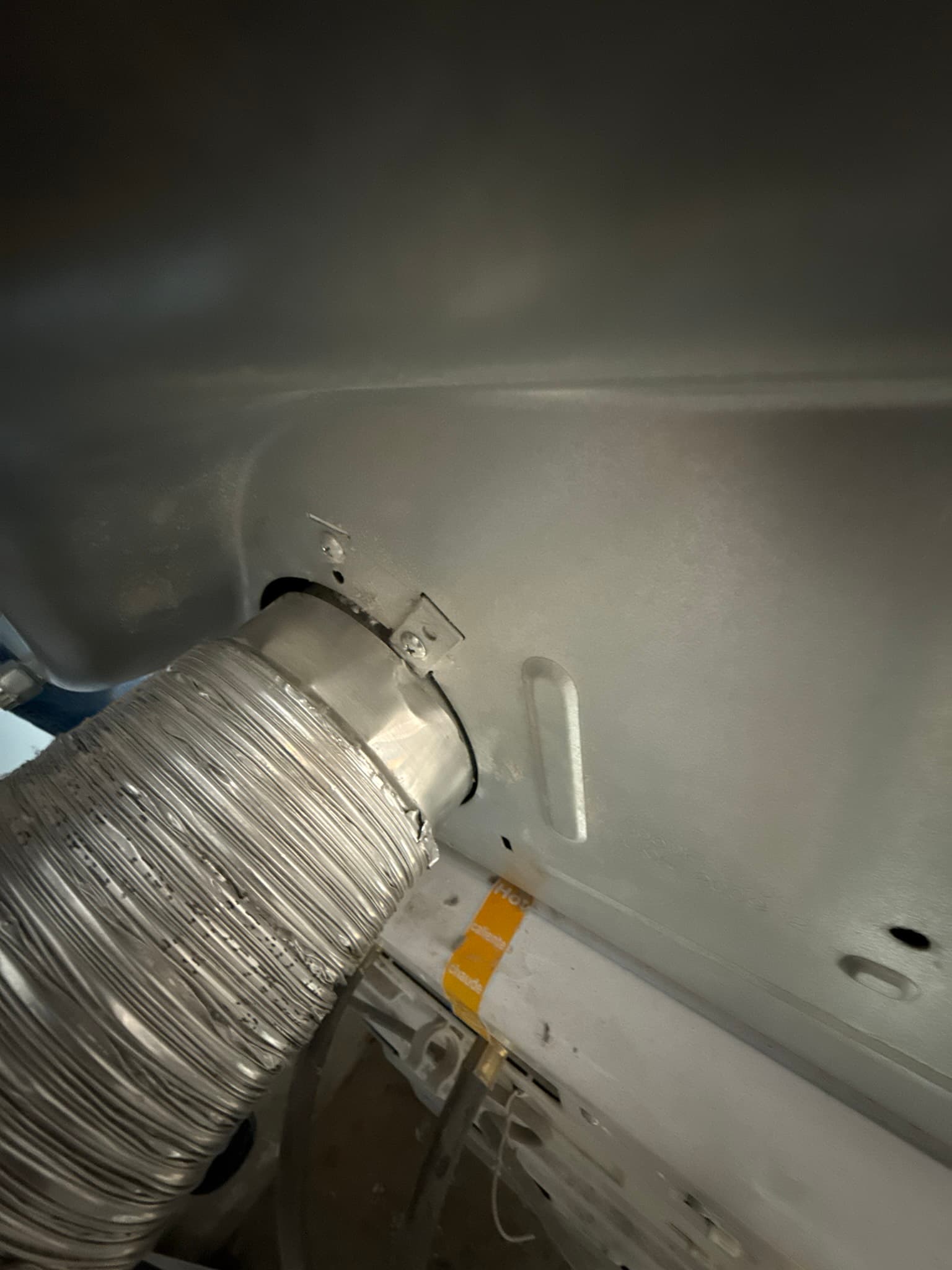
During reassembly of the transition duct at the rear of the dryer, the technician added a hose clamp at the dryer outlet connection to ensure a secure, airtight seal. As noted in the job photos, this small addition prevents lint particles from escaping behind the dryer into the laundry space rather than exhausting through the duct system. The flexible transition duct connecting the dryer outlet to the wall-mounted fitting was confirmed to be in good physical condition with no tears, kinks, or sharp bends that would restrict airflow. The wall connection itself, a pass-through style wall fitting, was inspected and cleaned as part of the full-system service. Proper sealing at every joint matters: any gap at a connection point allows lint-laden, moisture-heavy exhaust air to enter the wall cavity, which poses both a fire risk and a mold risk.
Exterior Termination Check
The exterior vent caps on this Burlingame property were inspected from outside for blockage, damper function, and physical condition. IRC M1502.3 requires that all dryer exhaust terminations be equipped with a functional backdraft damper and that screens never be installed at the duct opening, since screens trap lint and create dangerous blockages. The louvered cap serving this dryer showed no significant lint accumulation at the louvers following cleaning, and the damper slats appeared properly constructed to open freely under exhaust pressure and close by gravity when the dryer is off. IRC M1502.3.1 further requires that the terminal passageway provide a minimum of 12.5 square inches of unobstructed open area, a standard the inspected cap meets with its multi-slat louvered design.
The Outcome
With the full duct system cleaned from the dryer outlet to the exterior cap and the transition duct connection secured with a hose clamp, this Burlingame home's dryer exhaust system is operating with restored airflow and reduced fire risk. Lint that had accumulated along the interior duct walls has been removed, eliminating the compacted debris that forces dryers to run longer, consume more energy, and generate excessive heat at the exhaust connection. Dryer manufacturers and fire safety professionals alike recommend annual professional cleaning for residential dryer exhaust systems, particularly in multi-unit buildings where duct runs may be longer or more complex than in a single-family home. Keeping this service on a yearly schedule is the most effective way to maintain safe, efficient dryer operation year after year.
Project photos
12 photos
Need similar work in Burlingame?
Get a free quote - same-week appointments usually available.