Belmont · Residential Dryer Exhaust Cleaning Inspection
Dryer Vent Cleaning & Inspection in Belmont, CA
An LG dryer in Belmont was triggering persistent D80 and flow-sensor warnings due to heavy lint accumulation throughout the exhaust system. A full cleaning and inspection cleared the blockage and restored proper airflow from the dryer connection to the exterior cap.
Completed August 3, 2026
Verified customer review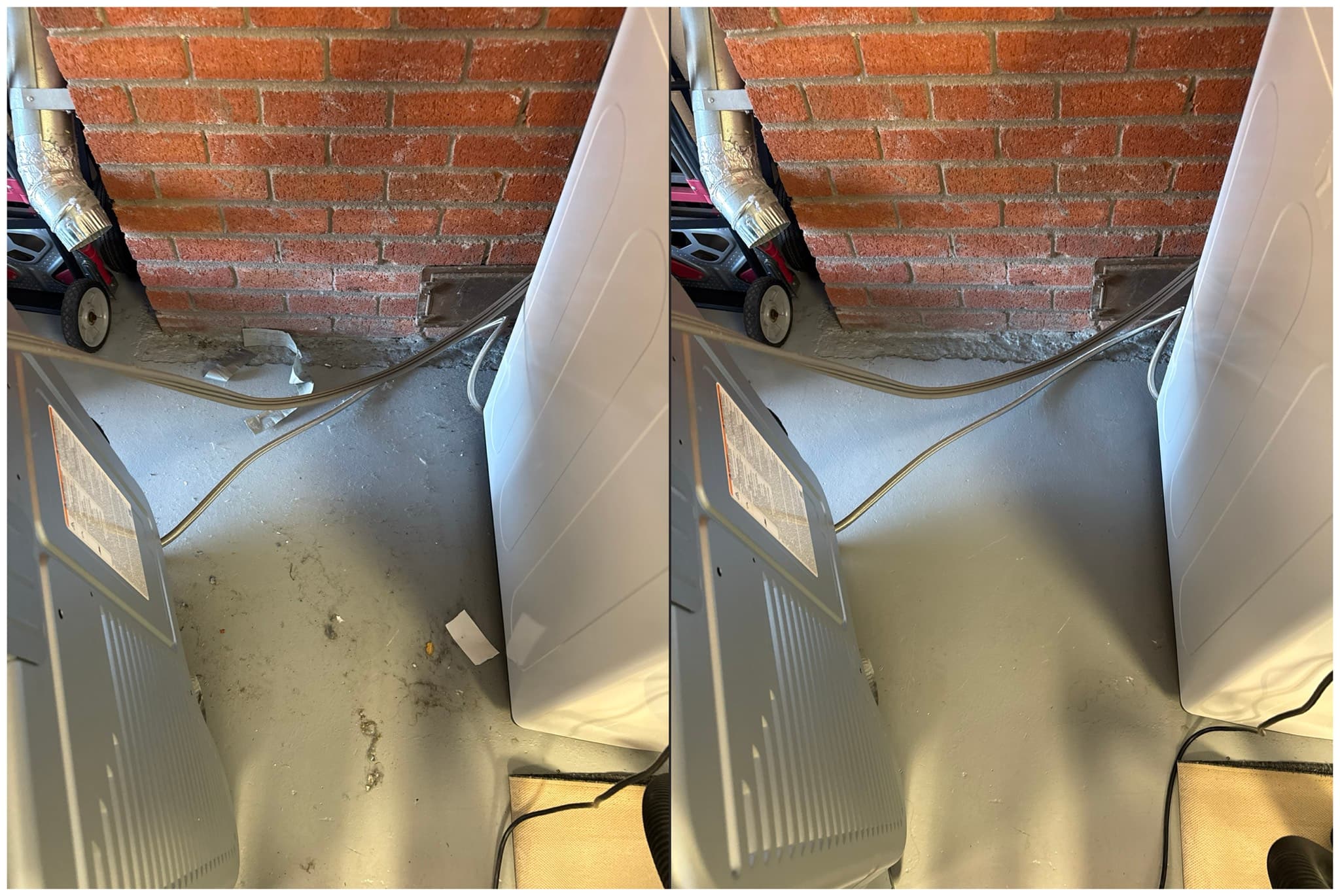
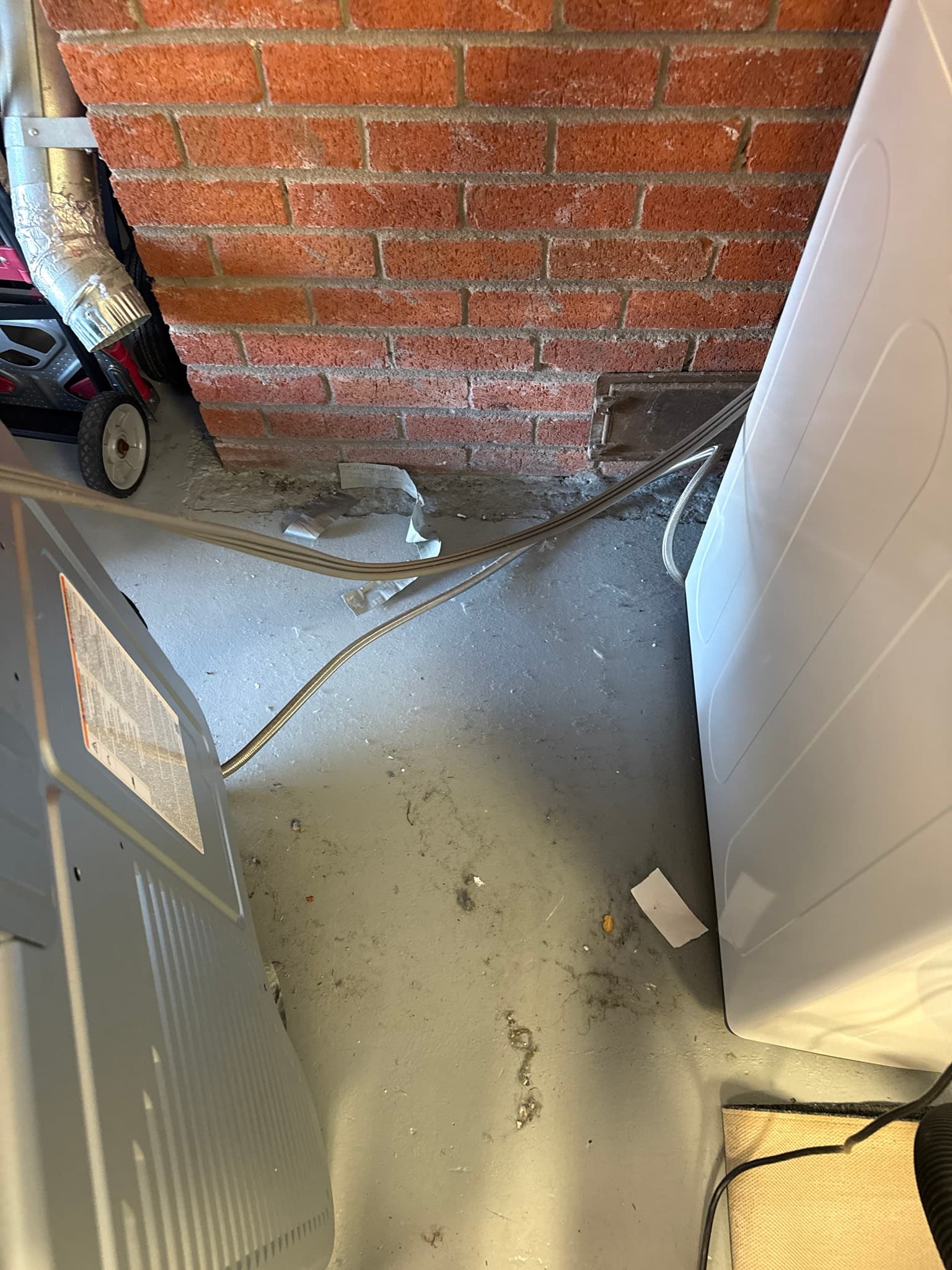
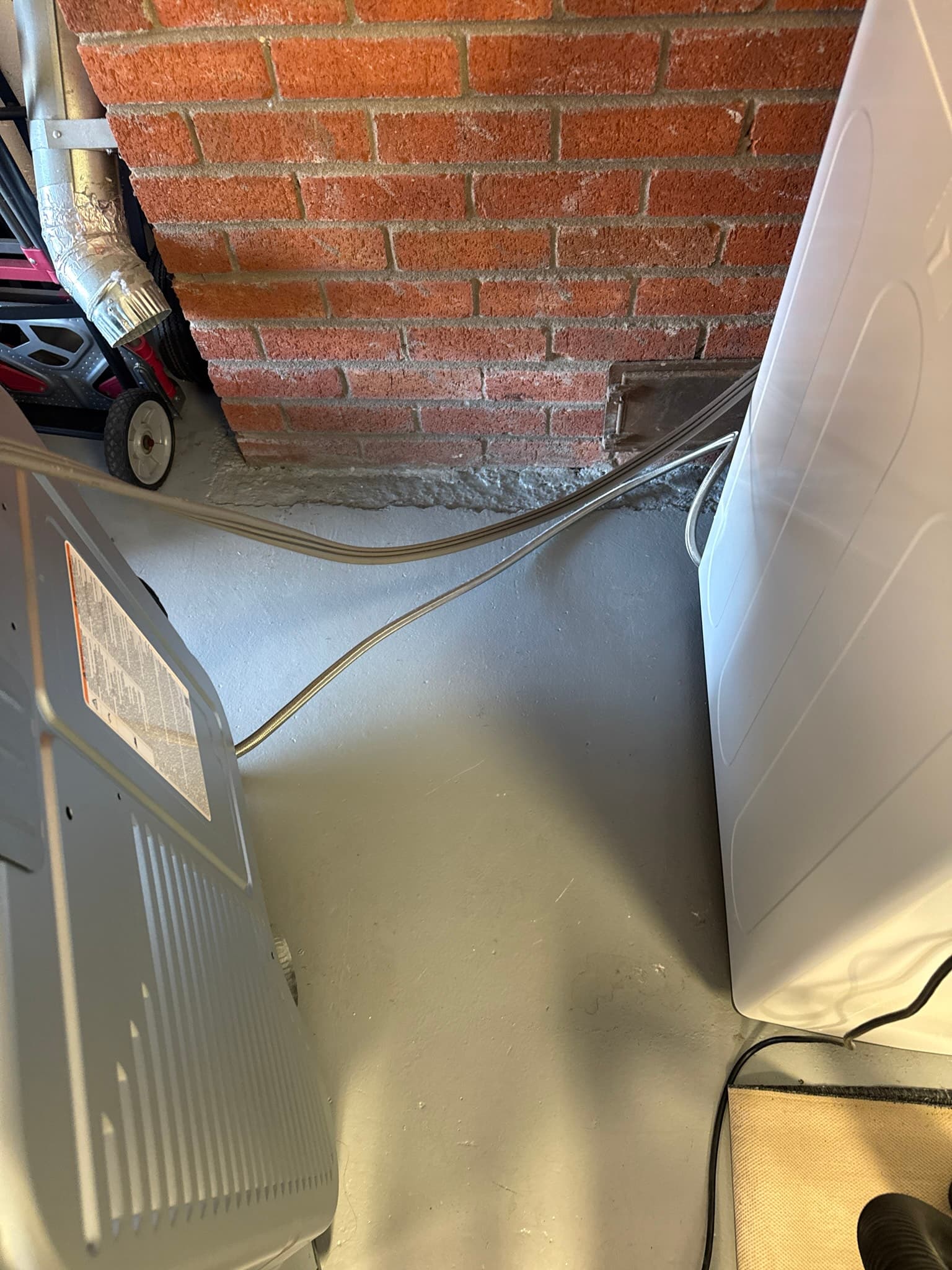
Before and after: the dryer exhaust connection area cleaned and cleared of lint buildup
What the Dryer Was Telling Us
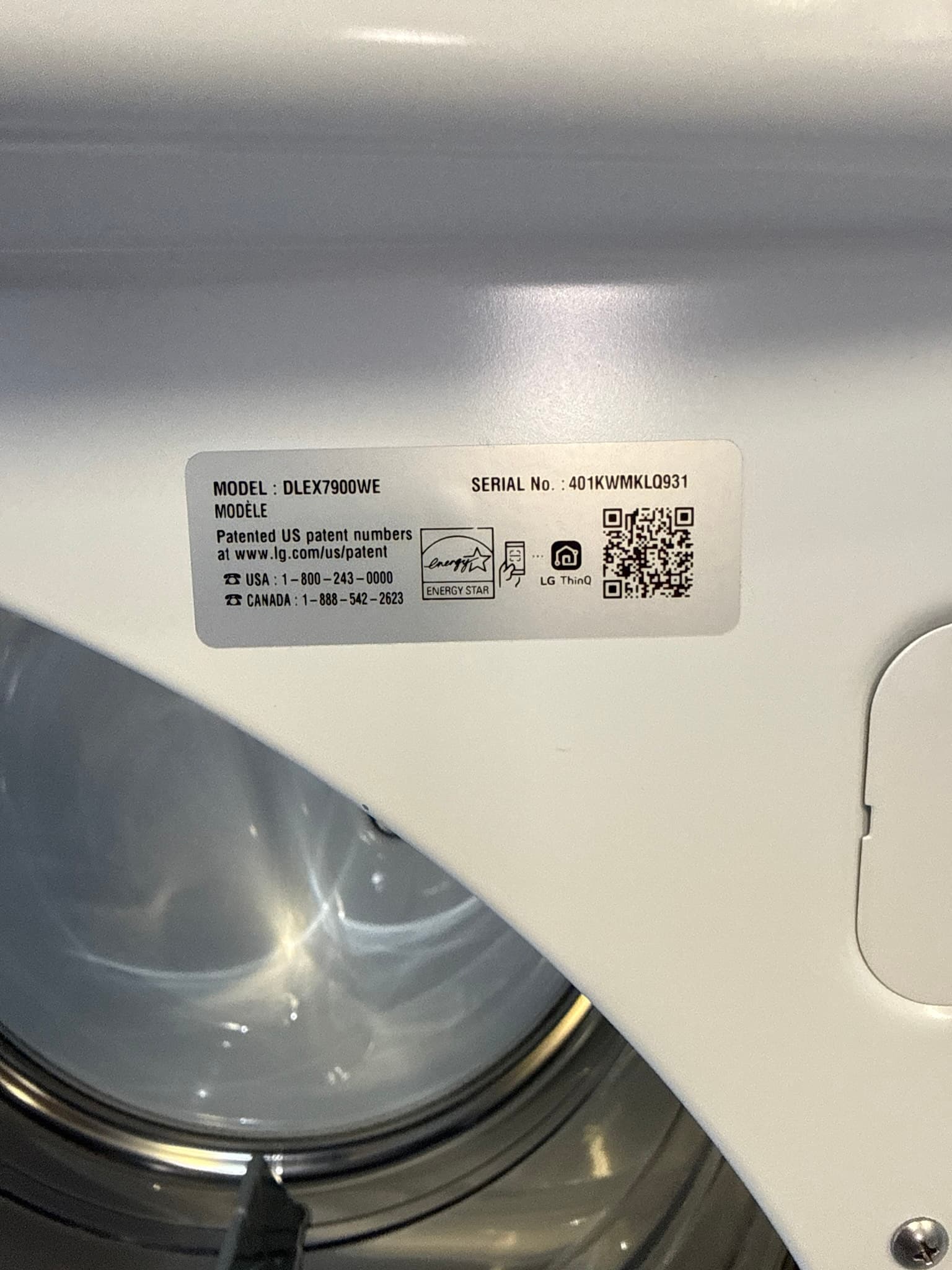
The homeowner reached out after their LG dryer (model DLEX7900WE) began flashing D80 and flow-sensor warning codes with increasing frequency. These alerts are the dryer's built-in diagnostic system communicating that exhaust airflow has fallen well below the level the appliance needs to operate safely. On a newer LG unit, the flow sensor monitors air movement through the exhaust path in real time, and when back-pressure from a restricted duct reduces airflow significantly, the machine will pause or refuse to run a full cycle. The warnings were not a sign of a faulty dryer; they were a sign of a compromised vent system.
What We Found
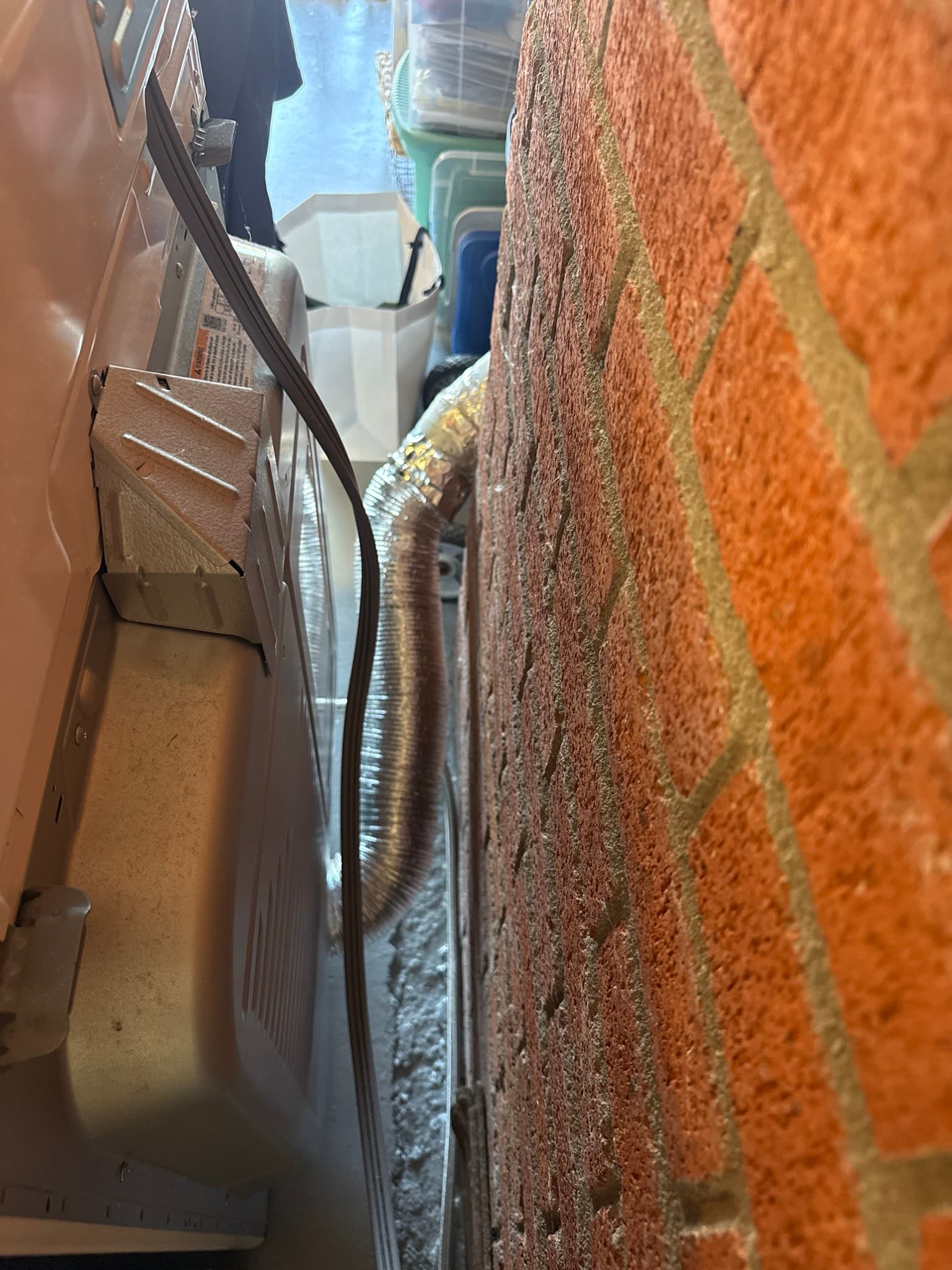
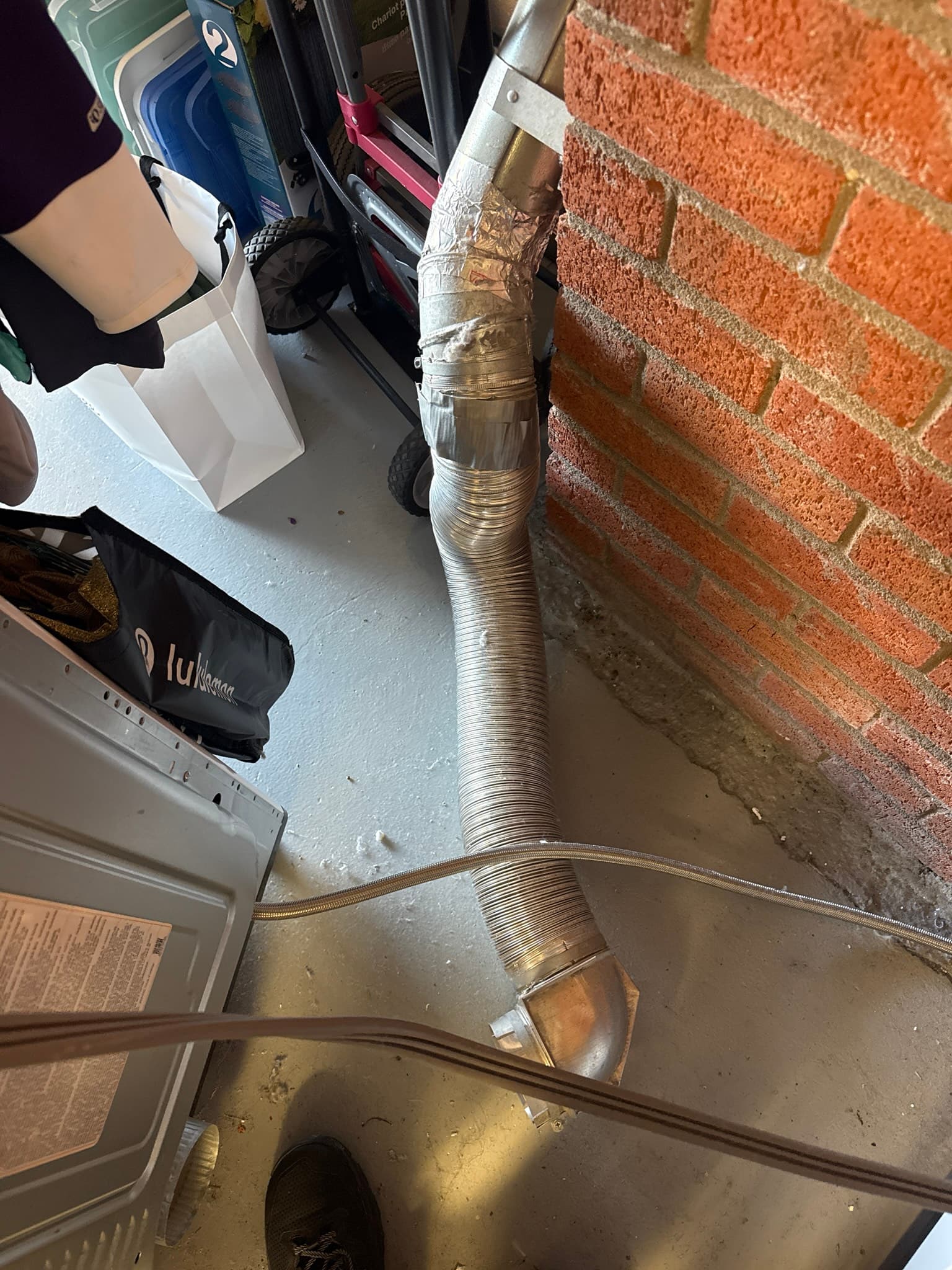
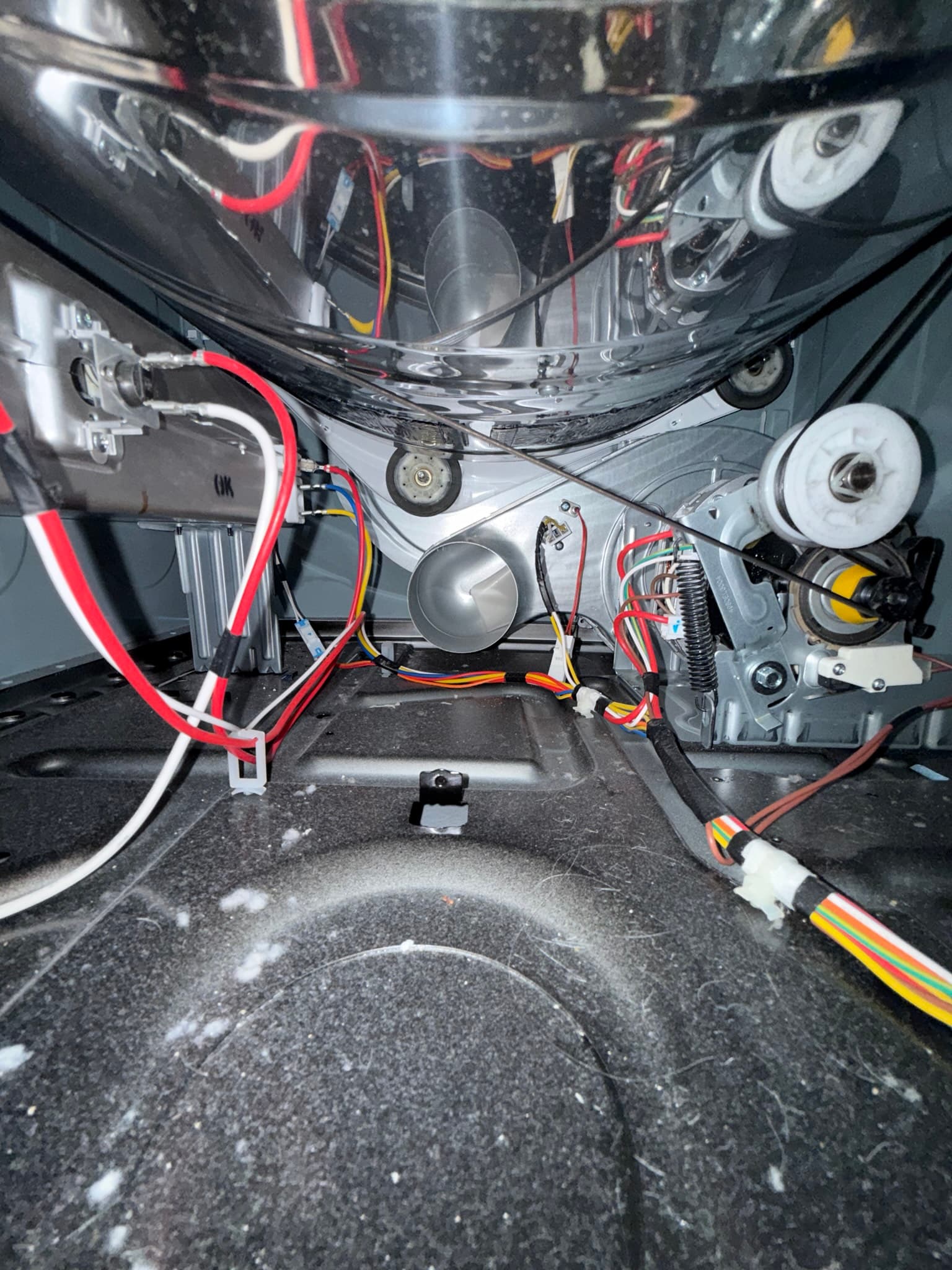
Our technician pulled the dryer away from the wall to access the full exhaust path, which runs approximately 13 feet through the garage interior before terminating at a brick exterior wall. The duct run incorporated multiple direction changes, including a series of elbows that added meaningful equivalent length to the system. Each 90-degree elbow reduces the effective duct length budget under IRC M1502.4.6.1, so a run with several bends requires especially clear, unobstructed ductwork to maintain adequate airflow.
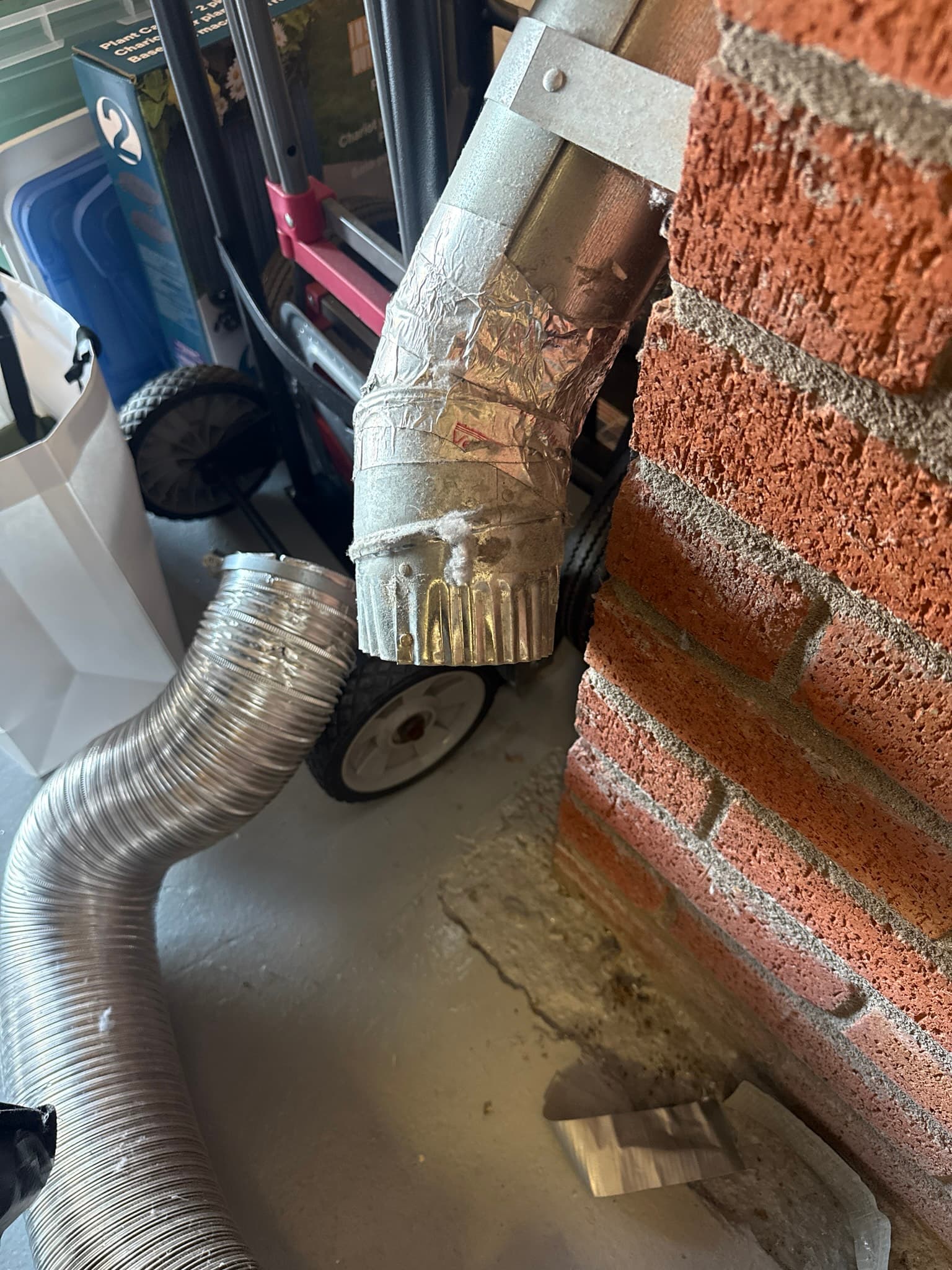
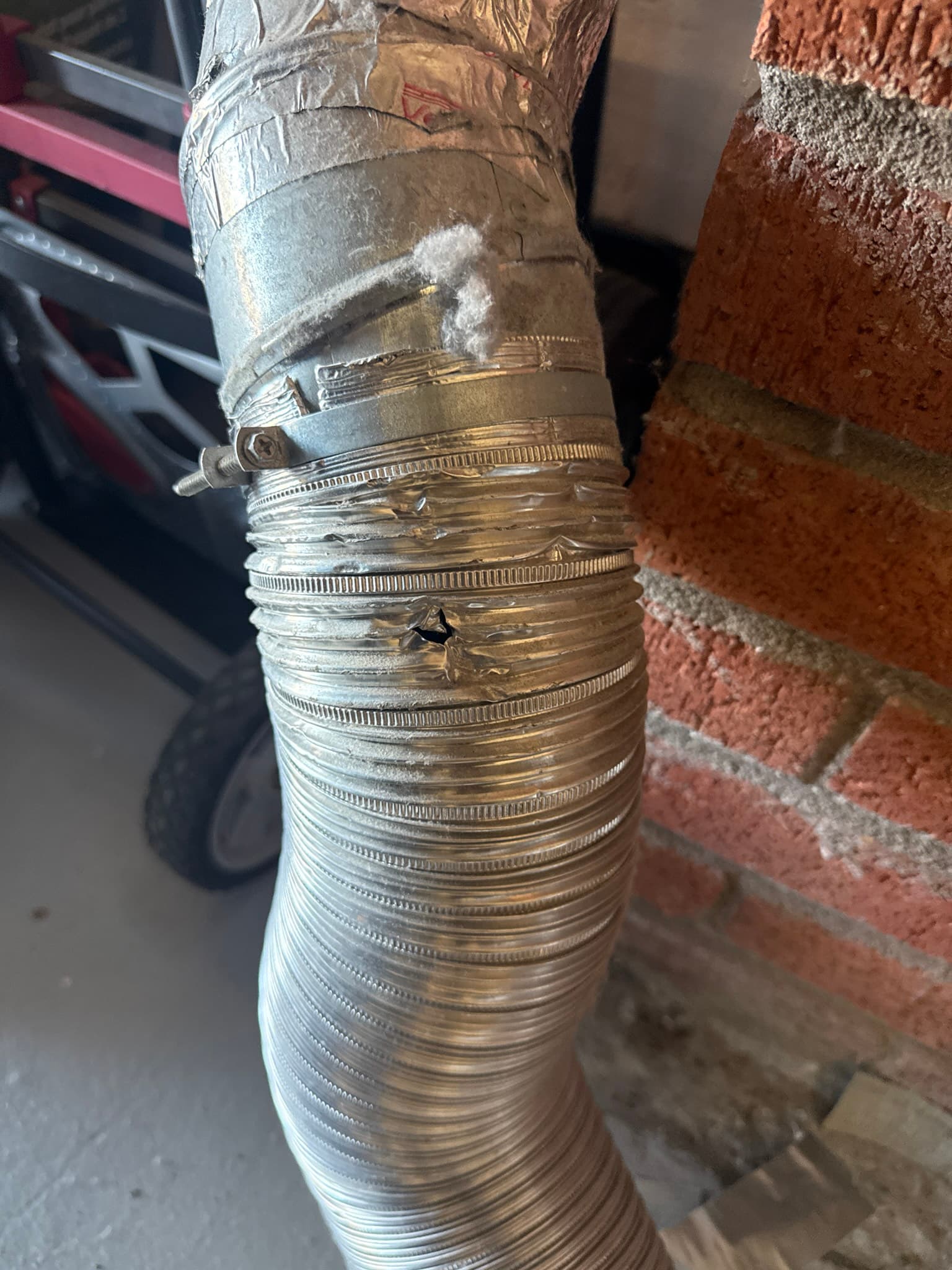
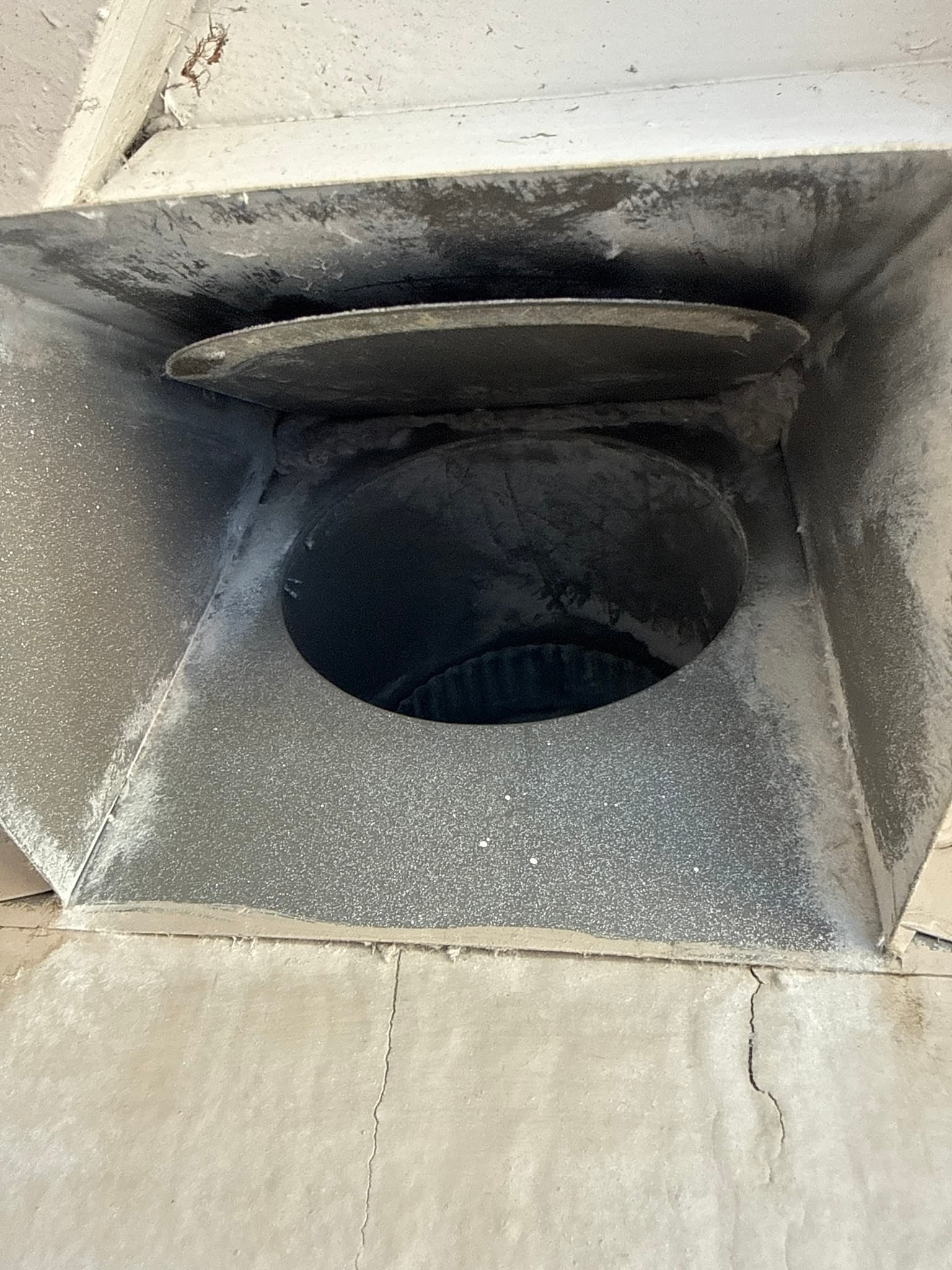
The condition inside the duct was consistent with years of accumulated lint that had never been fully cleared. The exterior termination cap was heavily soiled, with lint matting the louvers and substantially restricting the opening through which exhaust air must escape. Compacted lint inside a duct can narrow the effective passage to well under half its designed diameter, and when airflow at the termination drops below what the dryer's manufacturer requires, the appliance cannot dry clothes efficiently and its safety systems will intervene. Per IRC M1502.1, a dryer must be exhausted in accordance with the manufacturer's specifications, and this installation was no longer meeting that baseline. Photos taken before cleaning show the extent of debris buildup on and around the duct, the soiled exterior cap, and the general state of the exhaust area.
What We Did
We performed a full residential dryer exhaust cleaning and inspection. The dryer was disconnected and pulled clear of the wall to allow unobstructed access to the transition connection and the main duct run. Using a drill-attachment rotary brush combined with a high-powered shop vacuum, we worked through every section of the duct from the dryer outlet all the way to the exterior termination cap, dislodging and extracting compacted lint and debris throughout.
The rotary brush method is particularly effective on runs with multiple bends because the flexible brush follows the duct path and scrubs the interior walls where lint tends to pack most densely at direction changes. The shop vacuum running simultaneously captures the loosened material rather than allowing it to redistribute inside the duct. We cleaned the exterior cap and its louvers so that the damper can open and close freely, which is a requirement under IRC M1502.3 to prevent back-drafting of outside air when the dryer is idle. The dryer connection area and the surrounding surfaces were also cleaned of lint and dust that had accumulated during normal operation.
The Outcome
Once the duct was cleared, the dryer was reconnected and returned to its operating position. With the exhaust path fully open from the dryer outlet to the exterior cap, the LG unit's flow sensor can read airflow accurately again, and the D80 warning condition that prompted the service call is resolved. The before-and-after photos from the dryer area document the difference clearly: the left frame shows lint-covered surfaces and a debris-laden duct connection, while the right frame shows the same area clean and properly connected. The exterior cap, which had been nearly blocked by lint matting its louvers, now opens freely to allow exhaust air to exit the building as designed.
Why Regular Dryer Vent Cleaning Matters
Lint accumulation is the leading cause of residential dryer fires in the United States, with the U.S. Fire Administration attributing thousands of home fires each year to clogged dryer vents. Beyond fire risk, a restricted duct forces the dryer motor and heating element to work harder and run longer, shortening the life of the appliance and increasing energy consumption. For a newer high-efficiency dryer like the LG DLEX7900WE, the built-in airflow diagnostics are a valuable early-warning system, but they depend on the duct being maintained. Most manufacturers and fire safety authorities recommend professional dryer vent cleaning at least once per year, and more frequently for households with heavy laundry loads. Homeowners in Belmont with garage-based dryer installations and multi-elbow duct runs like this one should plan for annual service to keep the system within safe operating parameters.
Project photos
11 photos
What the customer said
“This was a stellar experience. Responsive, on-time, had all the equipment, efficient, clean, courteous, professional...a winning combination. Thank you!”
Need similar work in Belmont?
Get a free quote - same-week appointments usually available.