Dryer vent maintenance in multi-unit buildings prevents fires, reduces owner liability, and keeps every dryer running efficiently. This guide shows property managers exactly what to inspect, how often to clean, and the warning signs that a vent needs professional service.
What We Found in This Laundry Room
We were recently called to service a shared laundry room in a multi-unit apartment building in the San Francisco Bay Area. What we found was alarming - but unfortunately not unusual.
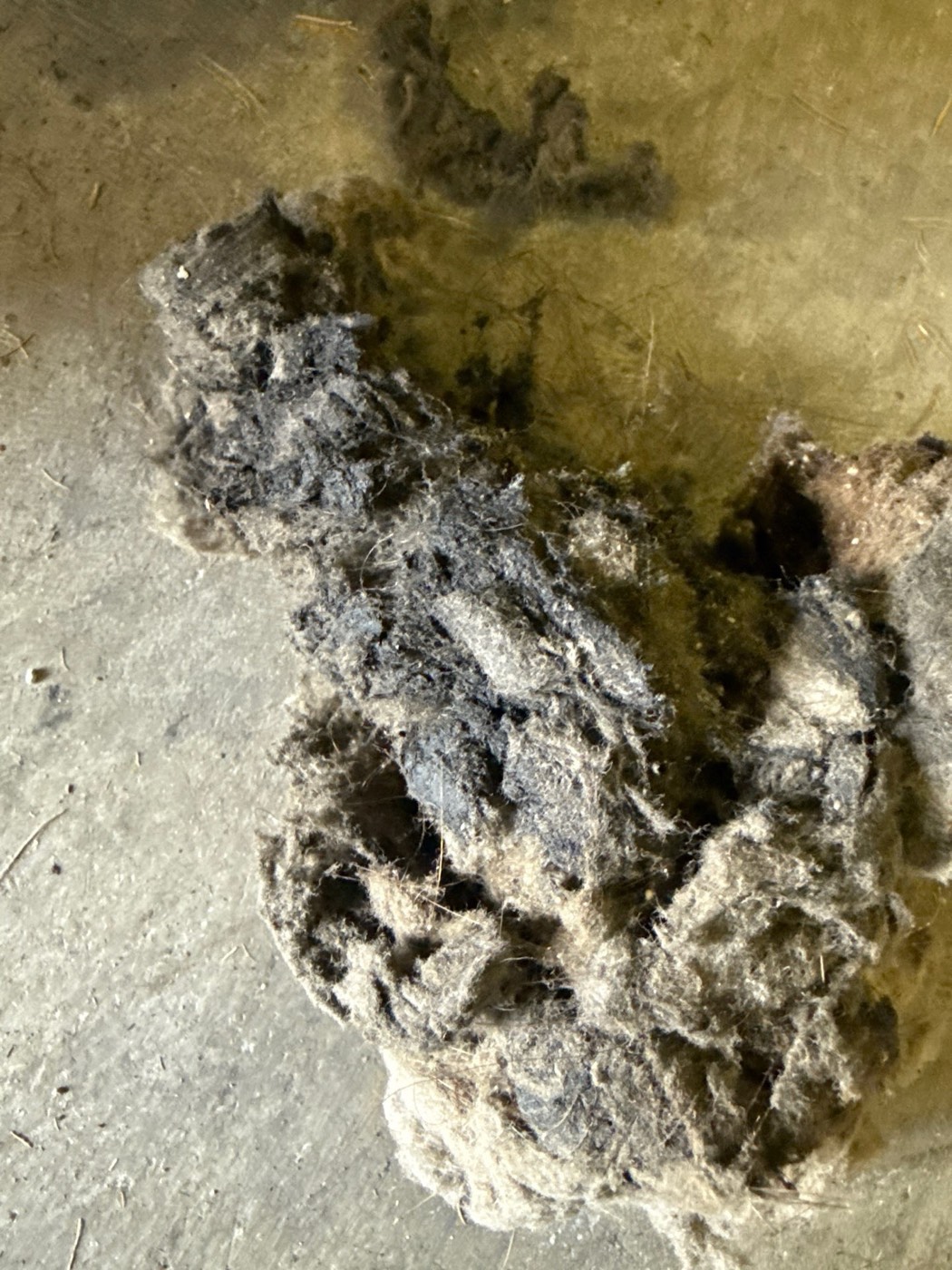
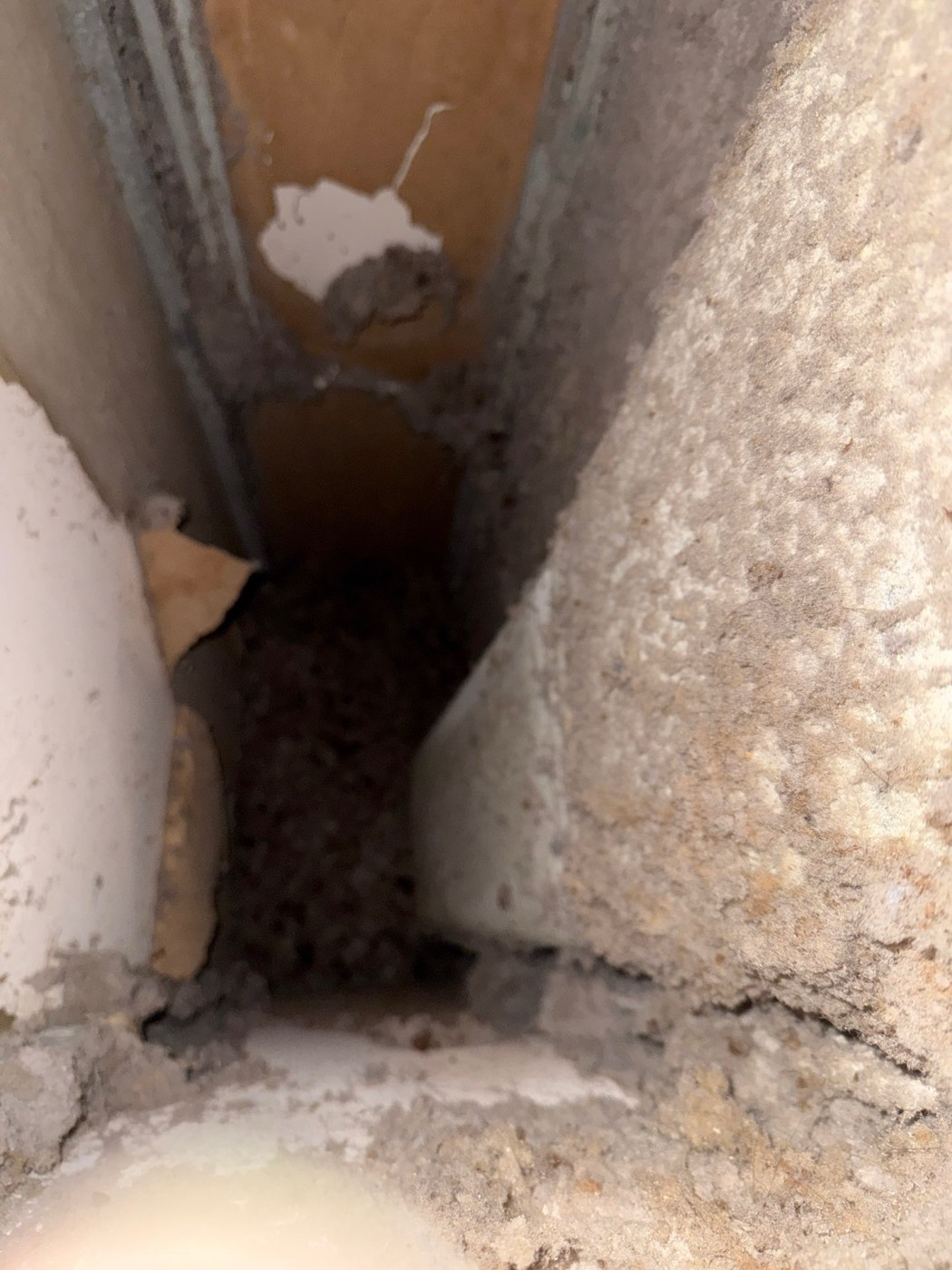
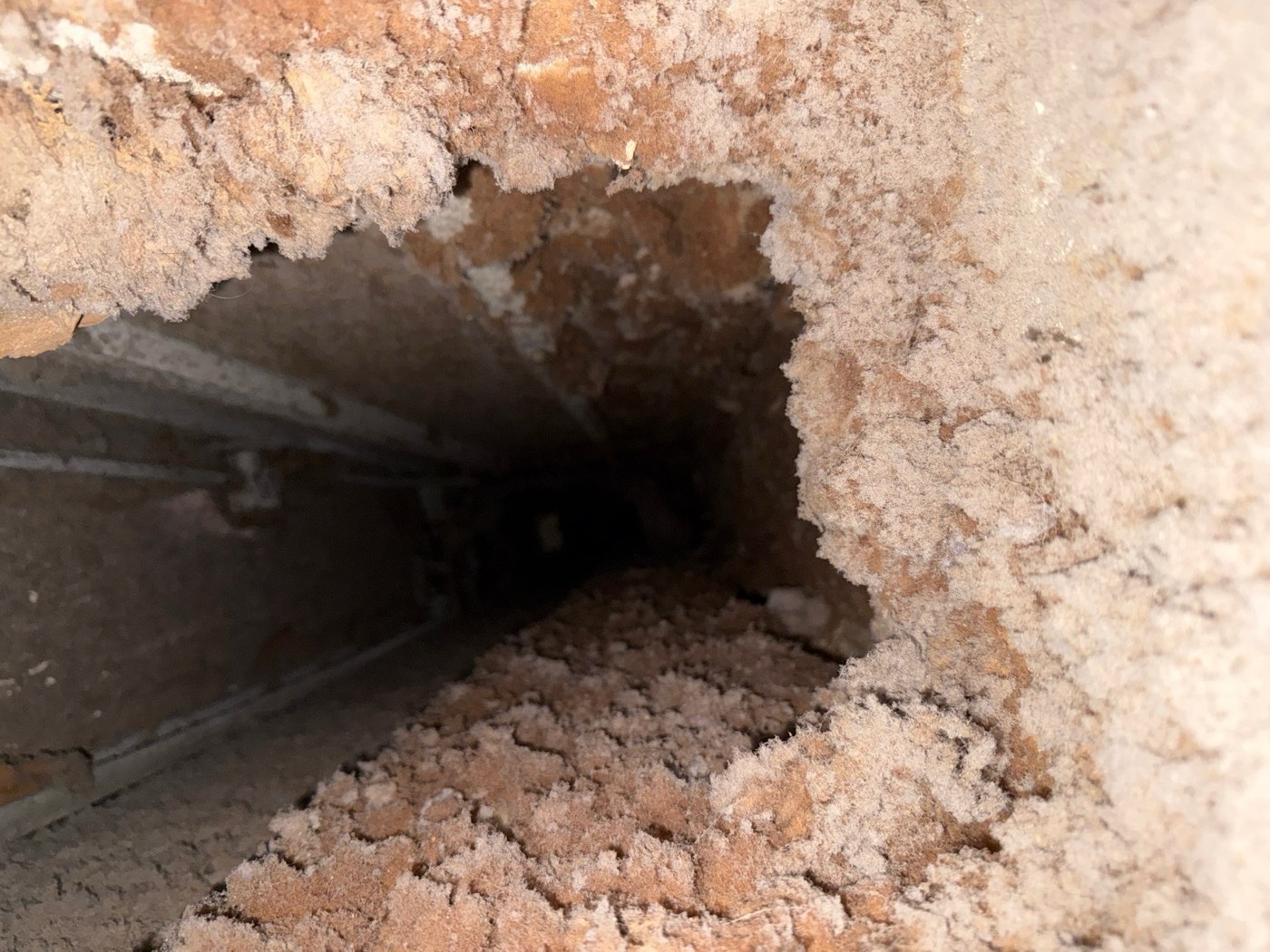
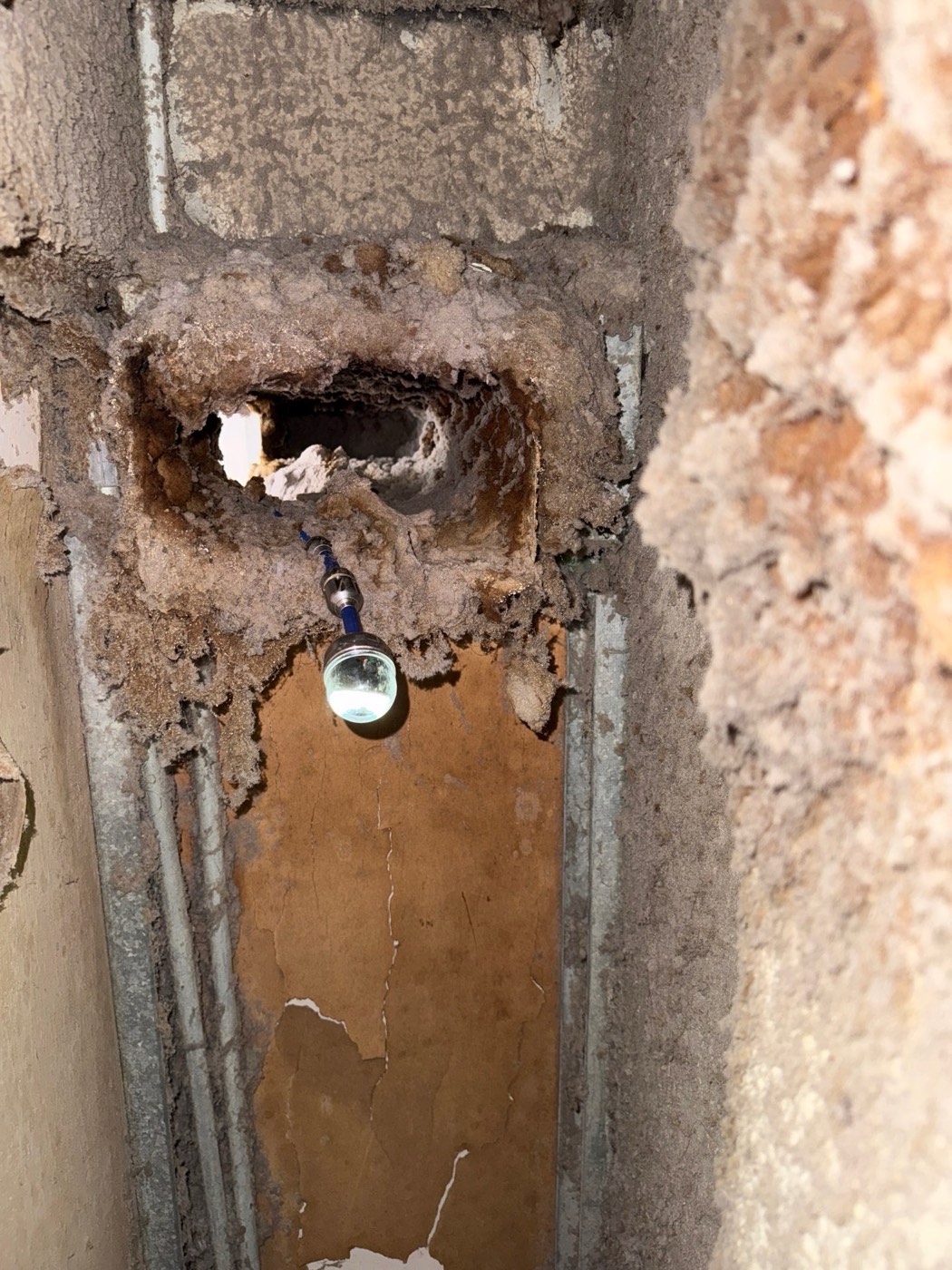
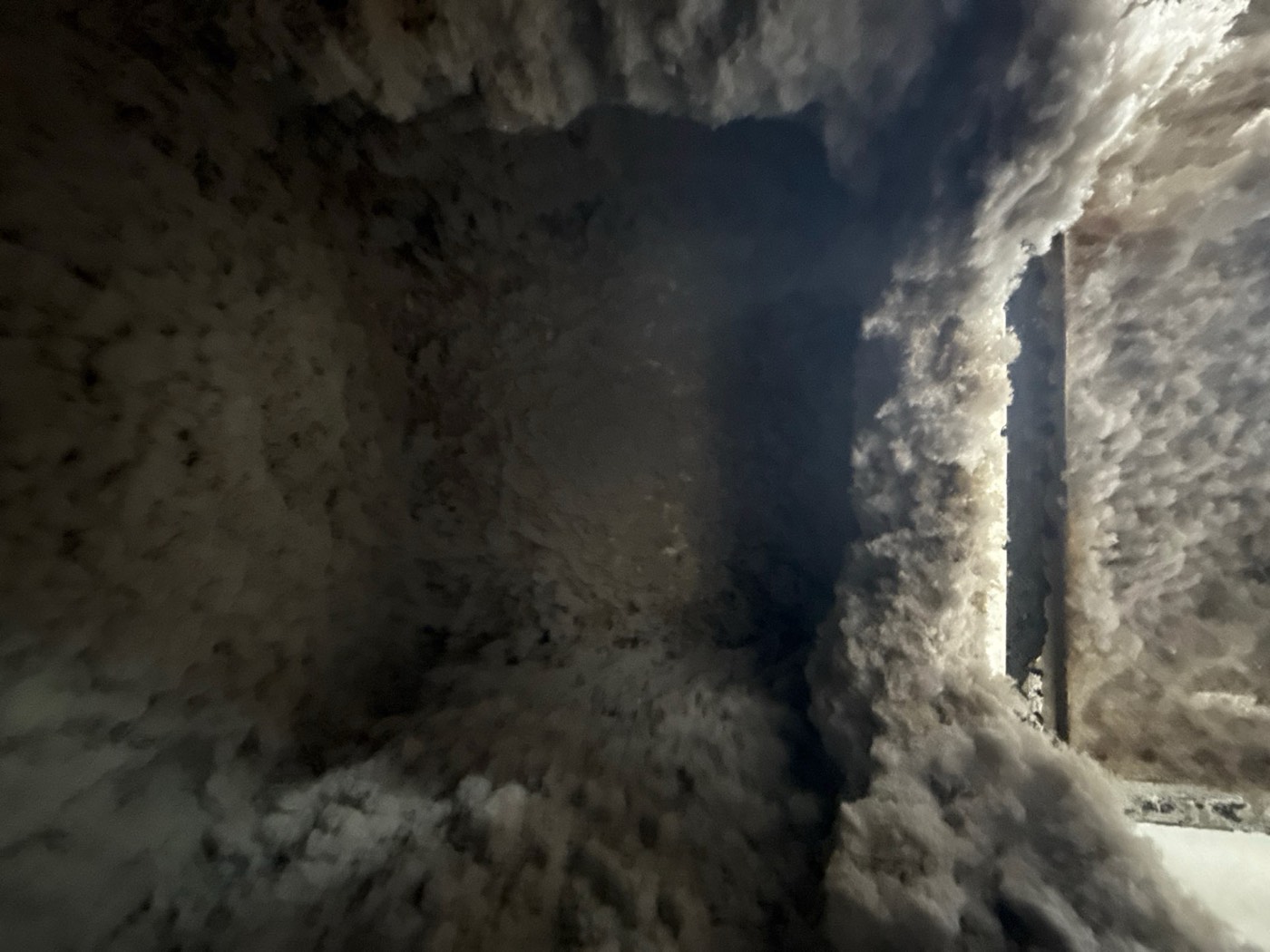
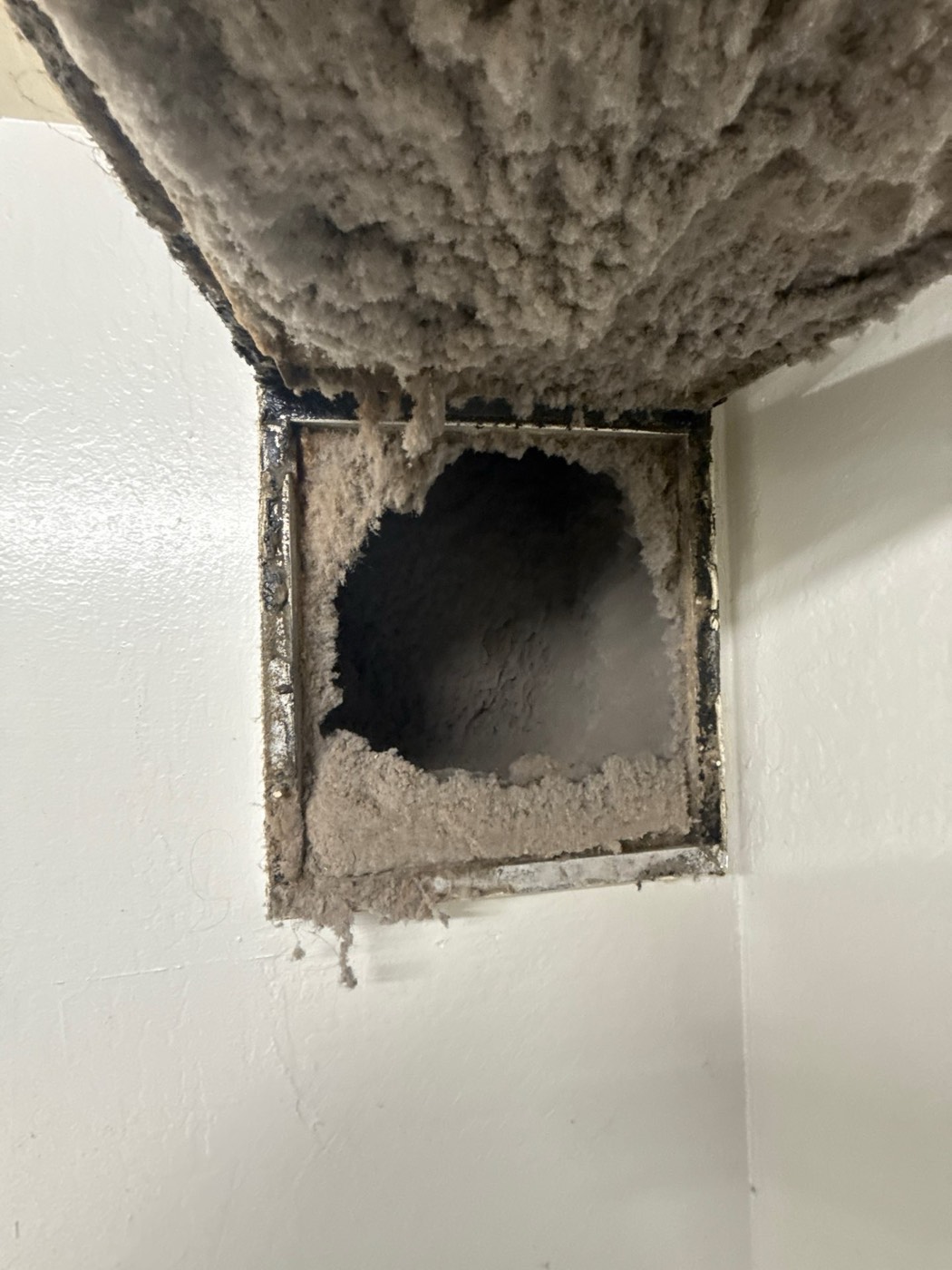
The building's dryer vent system had clearly gone years without professional cleaning. Lint had accumulated to dangerous levels inside the ductwork, access panels were sealed shut with foil tape, and clumps of compacted lint debris had spilled out onto the laundry room floor. The interior of the duct shafts was coated with thick, dense layers of lint that had nearly blocked airflow entirely.
This isn't a worst-case scenario pulled from a textbook. This is what we see regularly in apartment buildings and commercial laundry rooms across the Bay Area. And every day it goes unaddressed, the risk of fire, equipment failure, and legal liability grows.
Important: According to the U.S. Fire Administration, failure to clean dryer vents is the leading cause of dryer fires. Multi-unit properties with shared laundry facilities face significantly higher risk due to increased usage volume and longer, more complex duct runs.
The Photos: A Real Apartment Building
The following photos were taken during our inspection and cleaning of this property. They show the condition of the dryer vent system before our team serviced it. Every image is unedited - this is exactly what we found.
The Laundry Room & External Ductwork
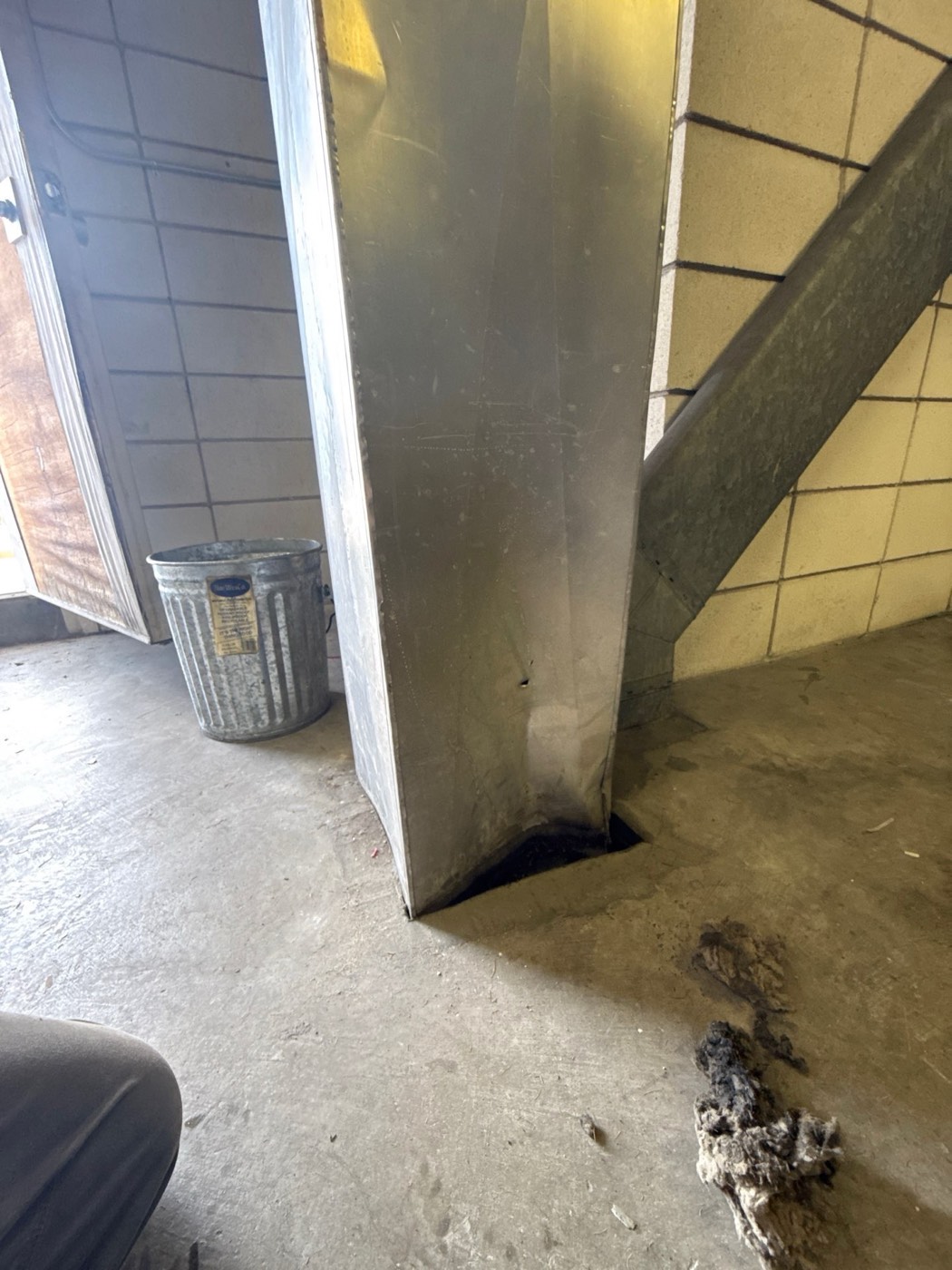
The first thing we noticed walking into the laundry room: lint debris on the floor at the base of the main duct shaft. This is a clear sign that the duct system is overwhelmed and lint is being forced out through gaps and seams.
Sealed Access Panels
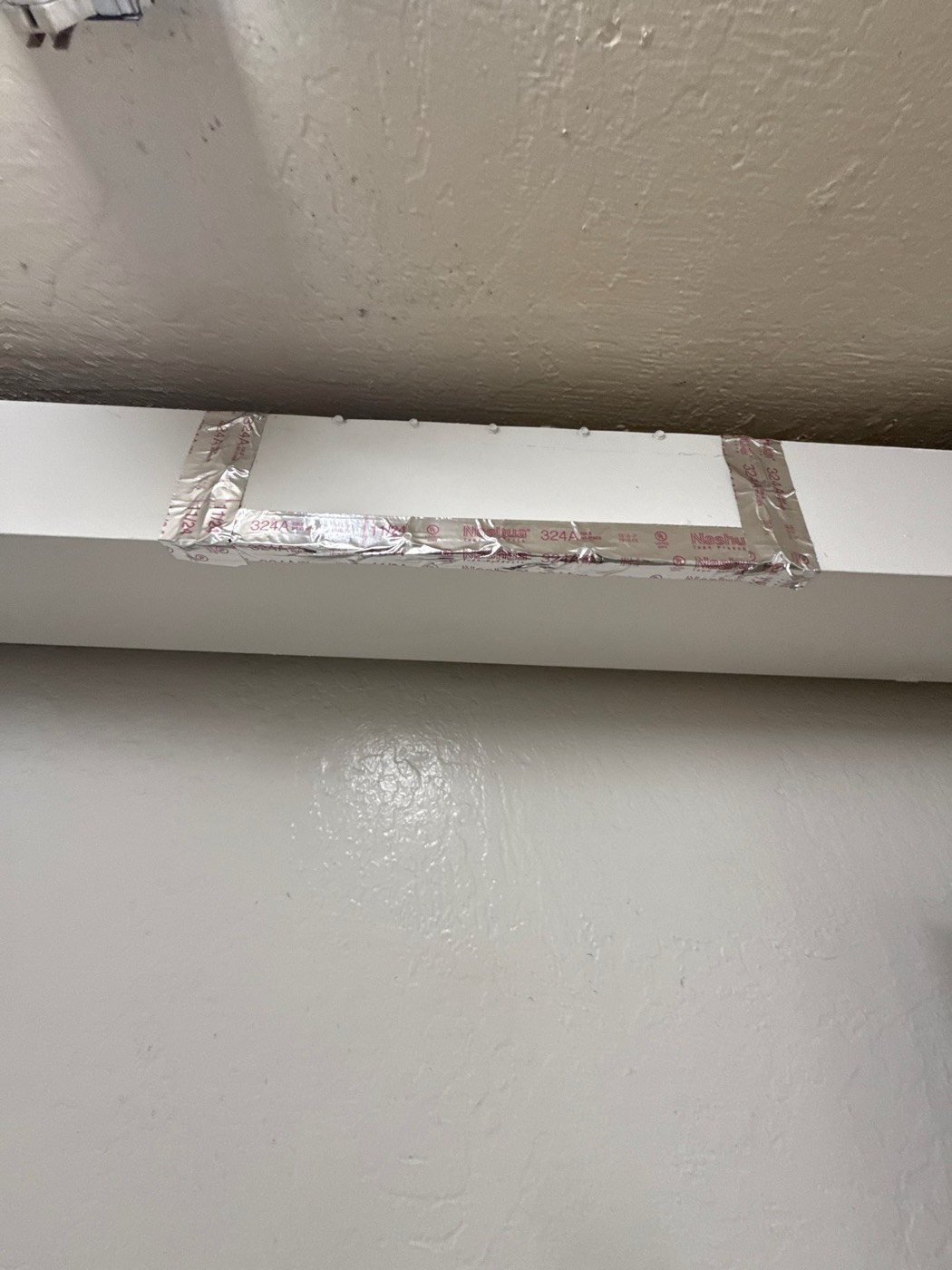
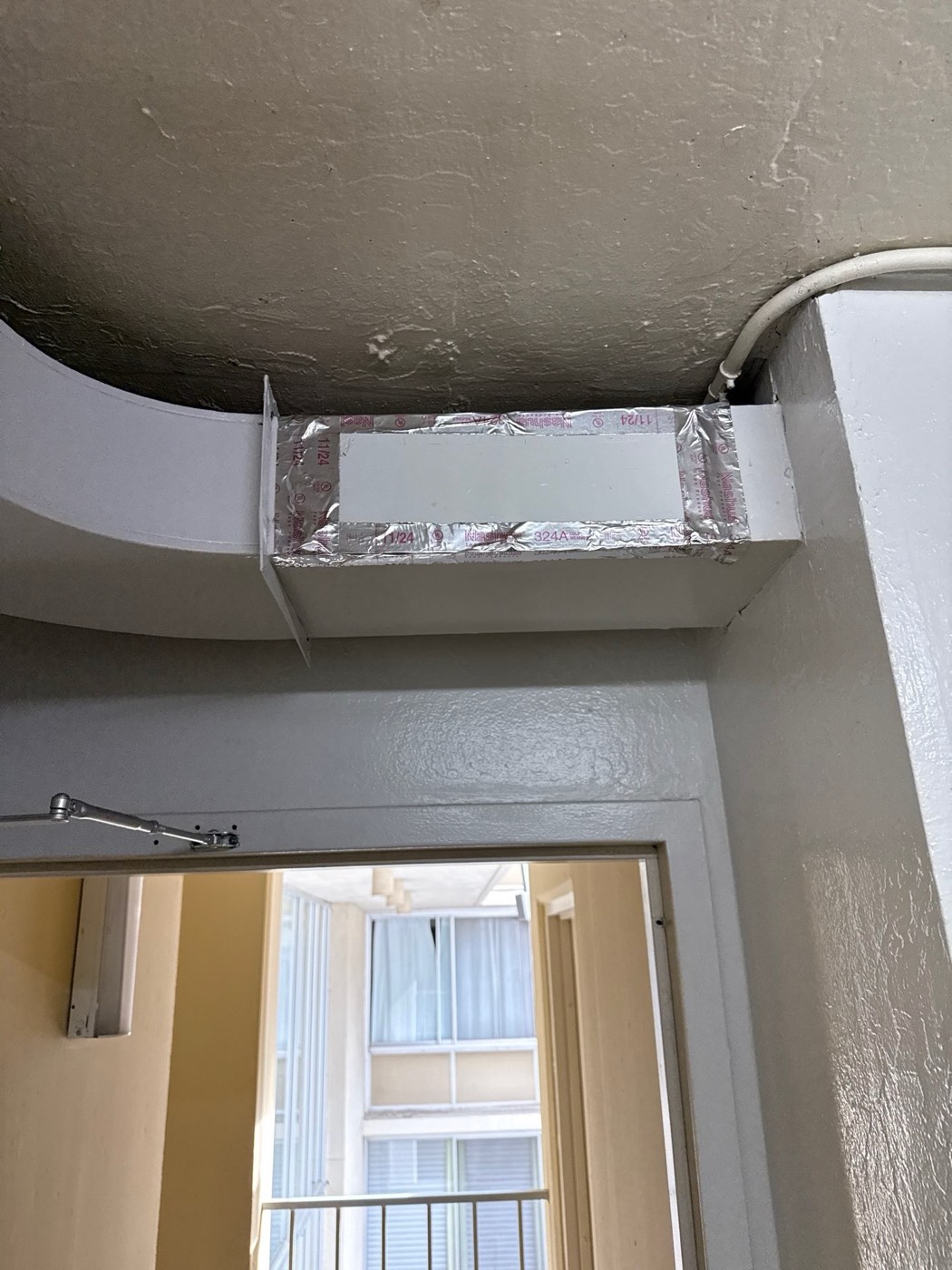
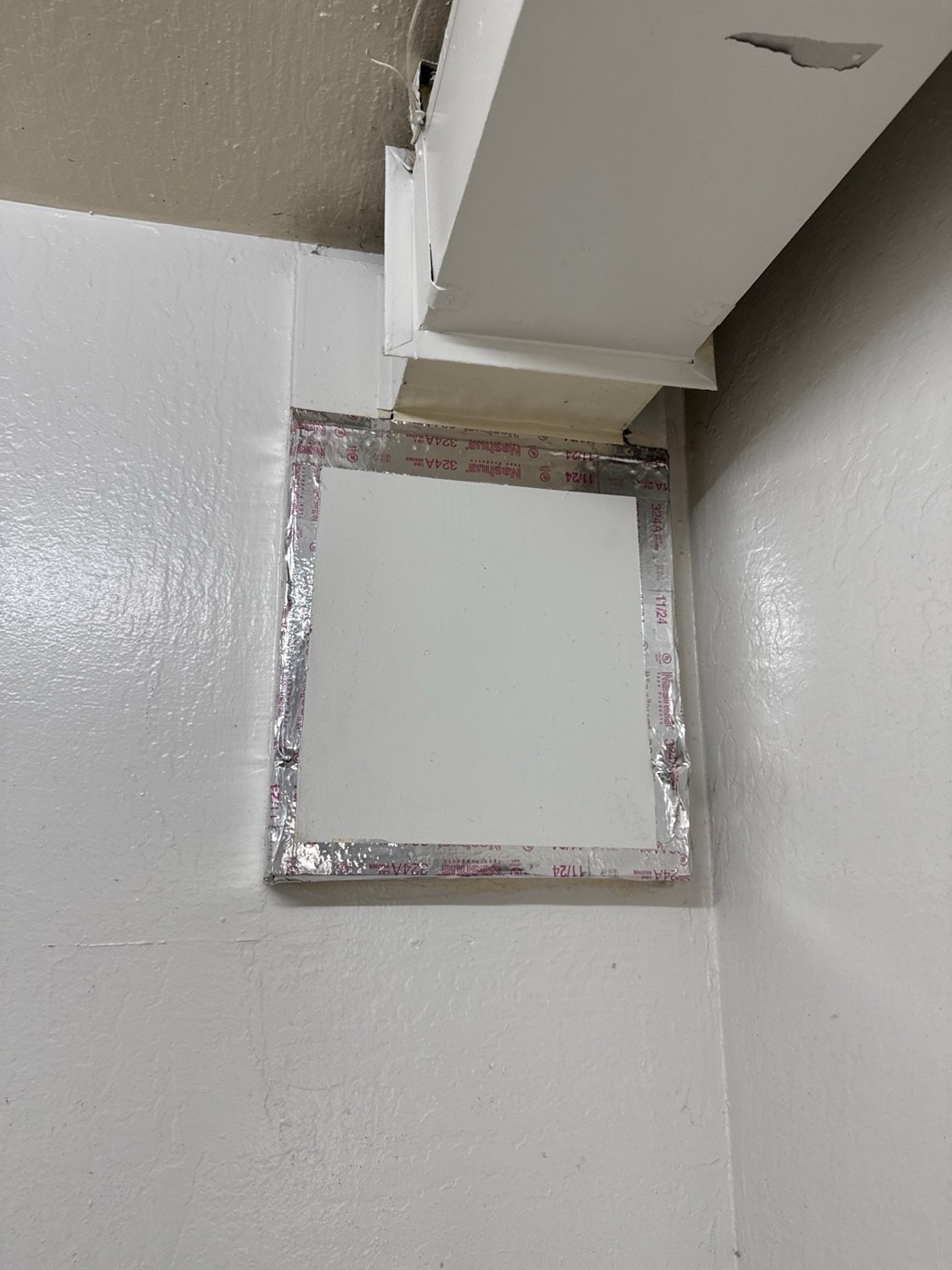
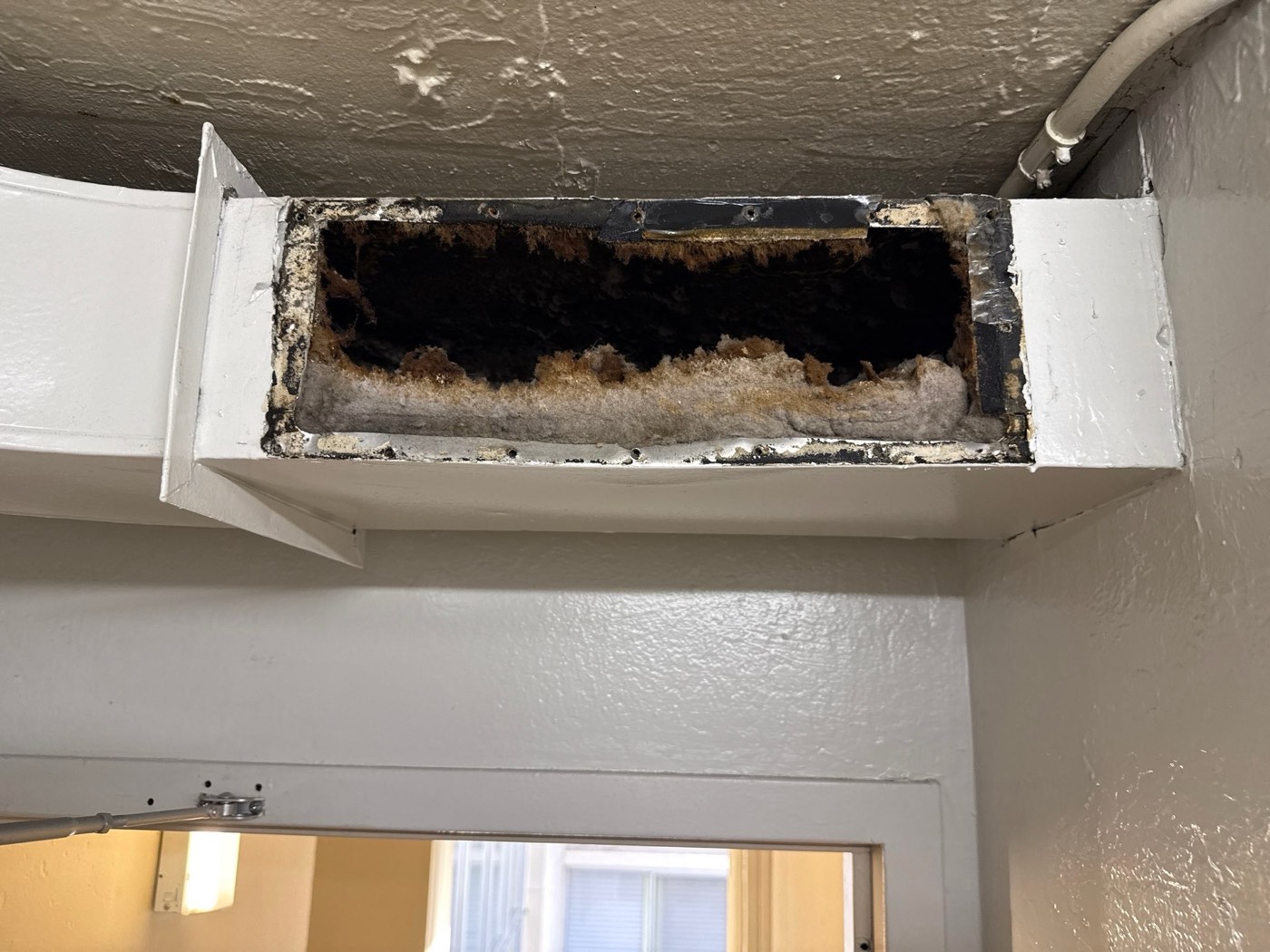
Multiple access panels throughout the duct system had been sealed shut with foil tape. While foil tape is appropriate for sealing duct joints, these panels are designed to be opened for cleaning and inspection. Sealing them shut defeats their purpose entirely and makes routine maintenance impossible.
Inside the Ductwork: What Years of Neglect Looks Like
When we opened the access panels and inspected the interior of the duct system, the extent of the problem became clear. The walls were coated in thick, compacted lint. In some sections, the buildup had narrowed the duct opening by more than 50%, drastically reducing airflow and creating the conditions for a fire.
The Risks of Neglect
What you saw in those photos isn't just an aesthetic problem. Neglected dryer vents in multi-unit properties create a cascade of serious risks that affect your tenants, your building, and your bottom line.
Fire Hazard
Lint is highly flammable. When it accumulates inside dryer ducts, it takes only a spark or excessive heat to ignite. In multi-story buildings with long vertical duct runs, a fire can spread rapidly through the duct system and into walls and ceilings.
Equipment Failure & Replacement Costs
Restricted airflow forces dryers to work harder and run longer. This dramatically shortens the lifespan of commercial dryers, which can cost $2,000–$5,000+ to replace. Regular vent cleaning can extend dryer life by 5–10 years.
Increased Energy Costs
When dryers can't exhaust properly, they run 2–3 times longer per load. In a building with shared laundry serving dozens of units, this translates to hundreds or thousands of dollars in wasted energy each year.
Tenant Complaints & Turnover
Clothes that take multiple cycles to dry, laundry rooms that smell musty or feel excessively hot, and dryers that don't work properly are common sources of tenant frustration. Unresolved maintenance issues are a leading driver of lease non-renewals.
Mold & Moisture Damage
When hot, humid air can't escape through the vent, it backs up into the laundry room and surrounding areas. Over time, this creates conditions for mold growth inside walls, ceilings, and ductwork - a health hazard and a costly remediation project.
Carbon Monoxide Risk (Gas Dryers)
If your building uses gas dryers, a blocked vent can cause carbon monoxide to back up into the laundry room and adjacent living spaces. CO is odorless and can be fatal at high concentrations. This is a life-safety issue, not just a maintenance concern.
Liability & Legal Exposure
As a property manager or building owner, you have a legal duty to maintain safe premises. Dryer vent maintenance falls squarely within that responsibility.
California Civil Code §1941: Landlords are required to maintain rental properties in habitable condition, which includes keeping building systems in good working order. A dryer vent system that hasn't been cleaned in years fails this standard.
Where Liability Falls
- Shared laundry rooms: 100% the property owner/manager's responsibility. There is no ambiguity - if the building provides laundry facilities, the building must maintain them.
- In-unit dryers (vent built into building): The tenant is responsible for the lint trap. The property manager is responsible for the vent system behind the wall and through the building.
- Insurance implications: Many commercial property insurance policies require documented maintenance of fire-prone systems. If a fire occurs and you cannot show a maintenance record, your claim may be denied or your premiums increased significantly.
The photos in this article show a vent system that clearly hasn't been maintained. If a fire had started in that ductwork, the property manager would face an extremely difficult legal position - the evidence of neglect is visible, documented, and preventable.
| Scenario | Potential Consequence |
|---|---|
| Dryer fire, no maintenance records | Full liability for damages, potential insurance denial, possible criminal negligence charges |
| Tenant injury from CO exposure | Personal injury lawsuit, health code violations, potential building closure |
| Mold discovered in walls from moisture | Costly remediation ($10K–$50K+), tenant relocation expenses, habitability complaints |
| Fire inspector finds code violation | Fines, required immediate remediation, possible red-tag on laundry room |
Warning Signs Property Managers Should Watch For
You don't need to climb inside ductwork to spot problems. Here are the signs you and your maintenance team should be checking for regularly:
🔍 During Walkthroughs
Lint on the laundry room floor near or around dryers. If lint is escaping the system, the ducts are either full, disconnected, or both.
🌡️ Temperature Checks
Laundry room feels unusually warm or humid when dryers are running. Proper venting should exhaust heat and moisture outside, not into the room.
⏱ Drying Performance
Tenant complaints that clothes take multiple cycles to dry. This is the #1 symptom of restricted airflow and should always trigger an inspection.
👃 Smell Tests
Musty, damp, or burning smells in or near the laundry room. A burning smell during dryer operation is an emergency - shut down the dryer and call for service immediately.
🌬️ Exterior Vent Check
The exterior vent hood doesn't open when dryers are running, or lint is visible around the exterior termination. Walk the building perimeter and check every vent cap.
🚨 Access Panel Inspection
Access panels taped, painted over, or sealed shut - as shown in our photos. These panels exist for a reason. If they haven't been opened in years, neither has the ductwork been cleaned.
Recommended Maintenance Schedule
The cleaning frequency for your property depends on usage, duct length, and building configuration. Here are our recommendations based on years of servicing multi-unit properties across the Bay Area:
| Property Type | Recommended Frequency | Why |
|---|---|---|
| Shared laundry room (10+ units) | Every 3–4 months | High volume, continuous use, shared duct system |
| Shared laundry room (5–10 units) | Every 4–6 months | Moderate volume, regular buildup |
| In-unit dryers (long duct runs) | Annually | Less frequent use per vent, but longer/more complex routing |
| In-unit dryers (short duct runs) | Every 12–18 months | Lower risk, but still requires regular service |
| Laundromats / coin-op facilities | Every 2–3 months | Highest usage volume, commercial-grade buildup |
Pro Tip: Set up a recurring service agreement with your vent cleaning provider. This ensures you never miss a scheduled cleaning, and many companies (including ours) offer discounted rates for recurring commercial accounts.
Property Manager Dryer Vent Checklist
Use this checklist to evaluate the current state of your property's dryer vent system and plan your maintenance approach:
✅ 1. Locate All Vent Runs
Map every dryer vent run in your building - from the dryer connection to the exterior termination. Know where the access panels are and how the system is routed through the building.
✅ 2. Check Access Panels
Are they accessible? Can they be opened? If they're sealed with tape, painted shut, or hidden behind equipment, that's a red flag that the system hasn't been serviced.
✅ 3. Inspect Exterior Vent Caps
Walk the building perimeter. Are vent hoods clear of obstruction? Do the flaps move freely? Is there lint buildup around the cap? Are any vents terminating into enclosed spaces (a code violation)?
✅ 4. Review Maintenance Records
When was the last professional cleaning? Is there documentation? If there's no record, assume the system needs service immediately.
✅ 5. Schedule Professional Cleaning
Contact a CDET-certified dryer vent cleaning company. They should clean the full duct run (not just the first few feet), inspect all joints and connections, and provide before-and-after documentation.
✅ 6. Set Up Recurring Service
Based on the maintenance schedule above, set a recurring cleaning cadence. Document every service visit for your records and insurance compliance.
✅ 7. Educate Tenants
Post signage in laundry rooms reminding tenants to clean the lint trap before every load. This single habit dramatically reduces buildup deeper in the system.
Frequently asked questions
How often should dryer vents be cleaned in an apartment building?
Most multi-unit dryer vents should be professionally cleaned once a year. High-use laundry rooms or long duct runs may need service every six months to keep airflow safe and efficient.
What are the warning signs a dryer vent needs cleaning?
Longer drying times, a hot dryer or laundry room, a burning smell, and lint around the exterior vent are the most common warning signs.
Why is dryer vent maintenance a liability issue for property managers?
Clogged dryer vents are a leading cause of laundry fires. Documented, regular maintenance shows a good-faith effort to keep the property safe and reduces exposure if a fire occurs.
Sources and standards
"The leading cause of home clothes dryer fires is a failure to clean them." U.S. Fire Administration
Dryer exhaust duct requirements follow IRC Section M1502. Fire statistics are published by the U.S. Fire Administration.