
Half Moon Bay · Residential Dryer Exhaust Cleaning Inspection
Dryer Vent Cleaning & Inspection in Half Moon Bay
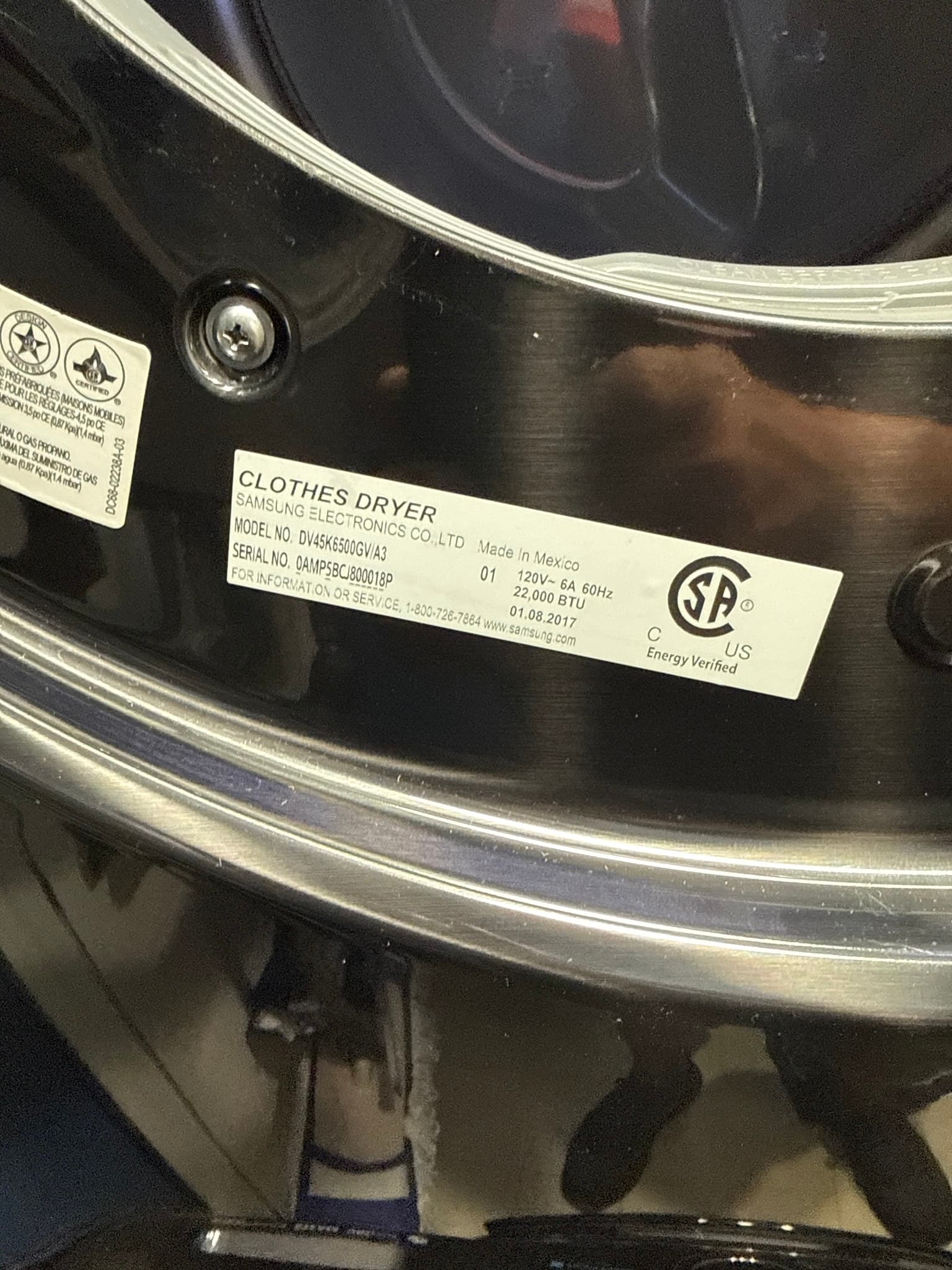
A stacked gas dryer in Half Moon Bay was producing little airflow and leaving the laundry room humid. Our technician found severe lint accumulation in the roughly 10-foot crawlspace duct run and performed a full cleaning, restoring safe, efficient exhaust to the outside.
Completed July 7, 2026
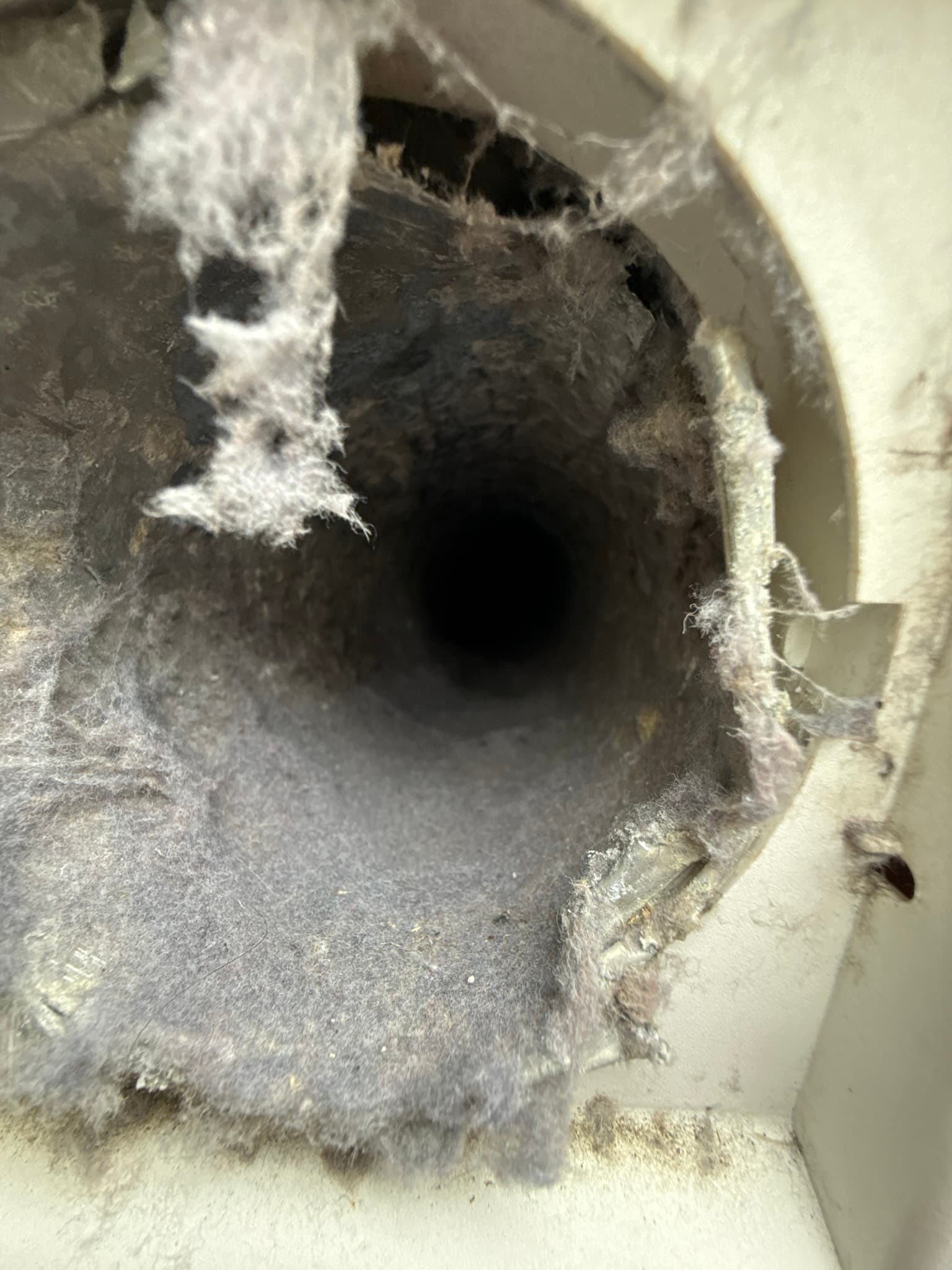
Initial inspection revealing significant lint blockage at the duct entrance
## What We Found
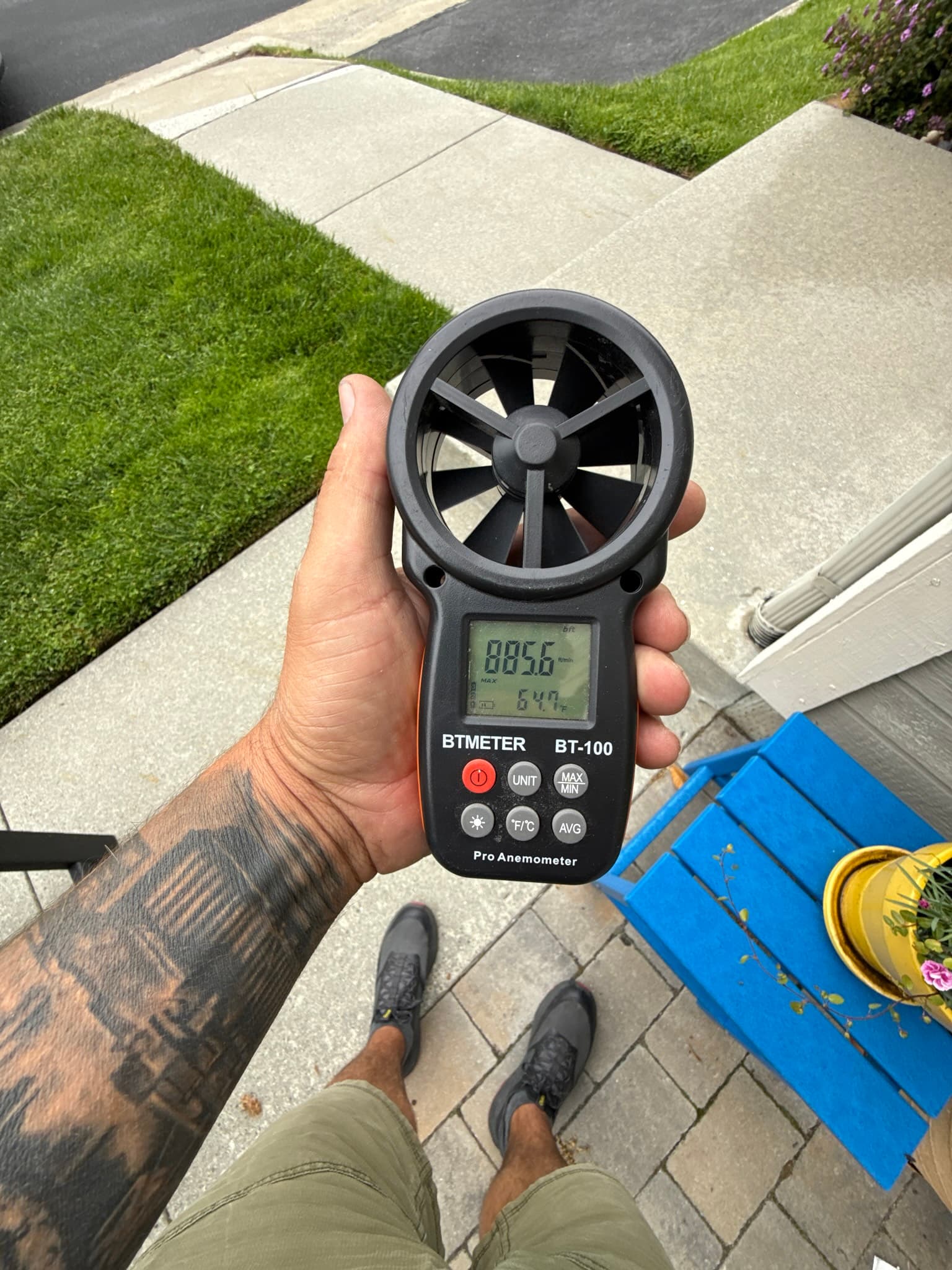
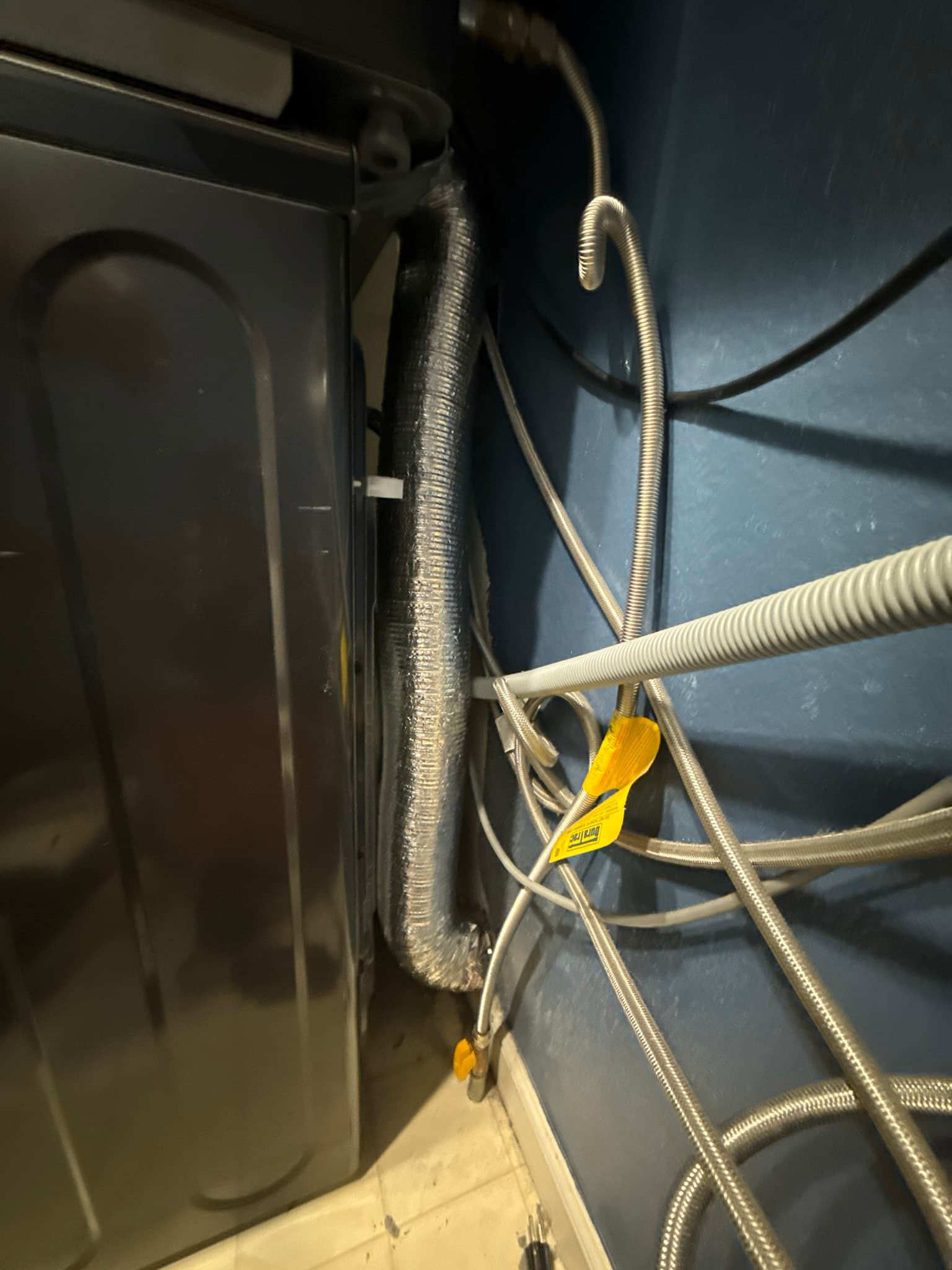
A Half Moon Bay homeowner called us after noticing their laundry room was becoming uncomfortably humid and drying times had grown noticeably longer. The setup was a gas dryer in a stacked washer-dryer configuration, exhausting through an approximately 10-foot duct run that travels through the crawlspace before exiting through an outside wall. On initial visual inspection, the duct interior showed clear signs of heavy lint accumulation. Pre-service airflow measurement at the termination registered just **885 feet per minute**, indicating the duct was significantly restricted. For context, a clean, properly functioning 4-inch dryer exhaust system at this run length should produce considerably higher flow. This level of restriction is consistent with a duct that is more than 50% occluded by compacted lint, which per IRC M1502.1 and manufacturer exhaust requirements creates both a fire hazard and an efficiency problem.
## What We Did
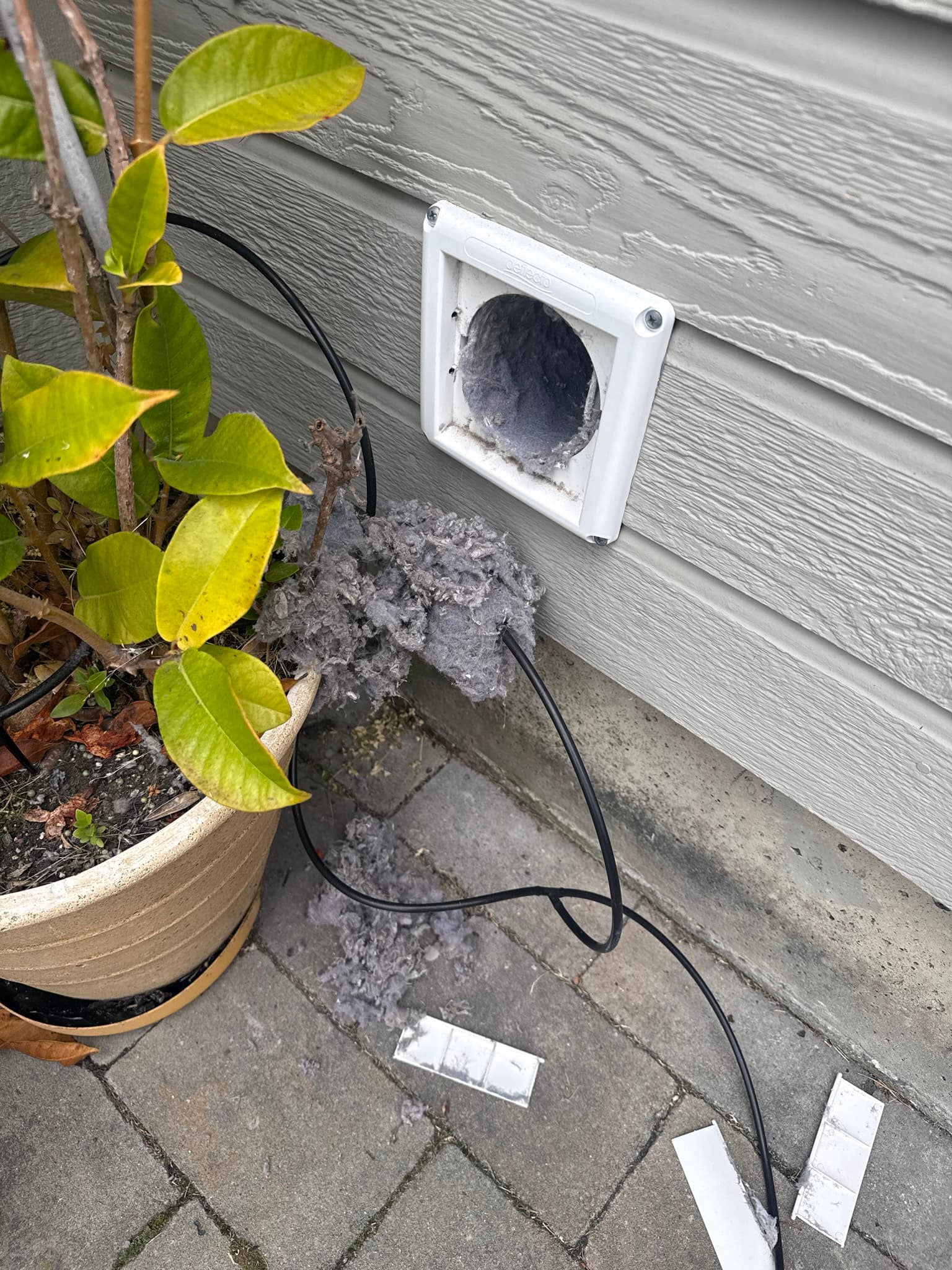
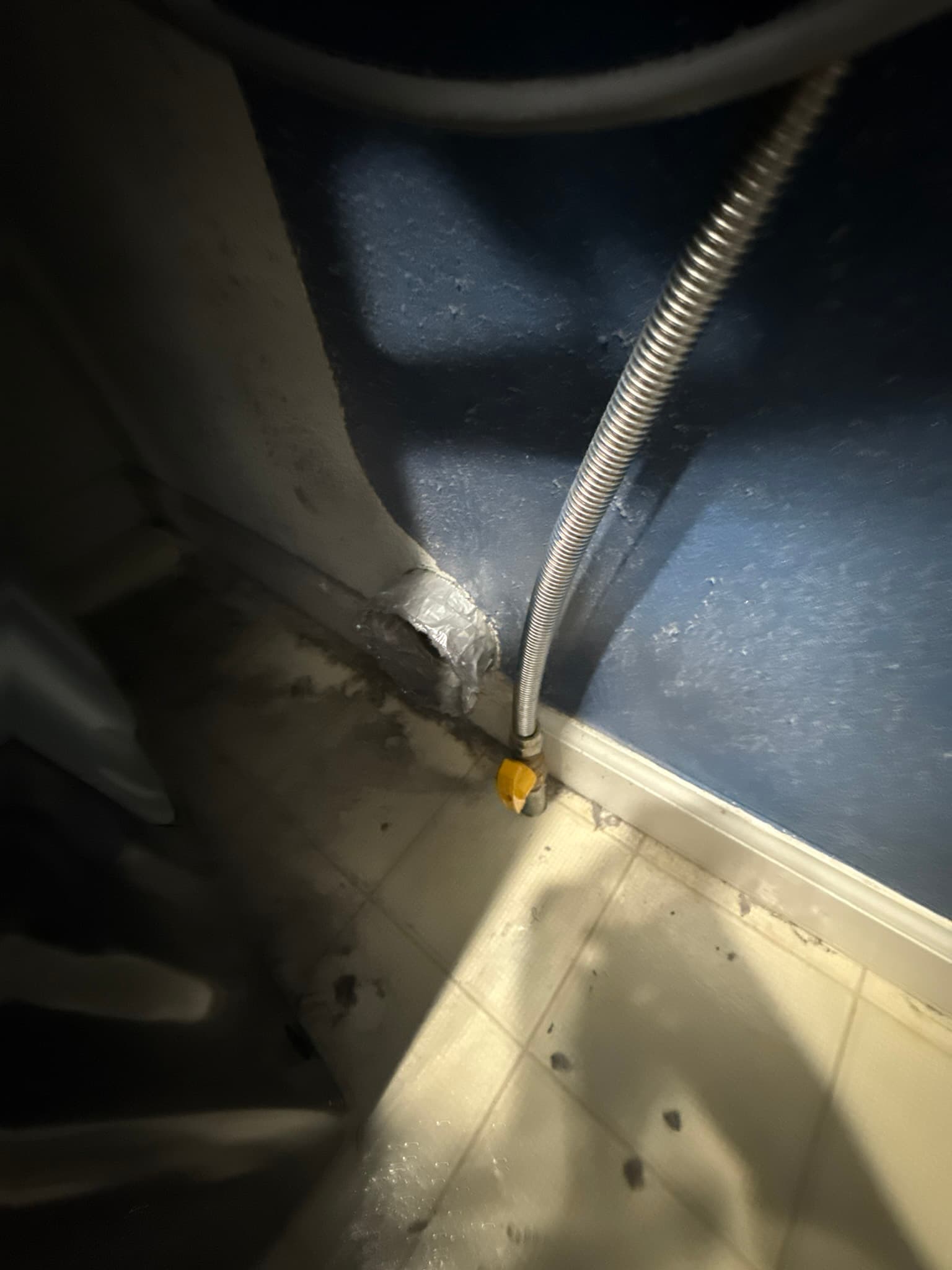
The technician disconnected the gas dryer, shut off the gas supply, and pulled the unit out to access the transition duct connection. Camera inspection confirmed dense lint lining the duct walls throughout the crawlspace run. The lint volume recovered during the camera pass alone, before rotary brushing even began, illustrated just how restricted the system had become. A full rotary brush and extraction clean was performed through the entire duct run, clearing compacted lint from the interior walls and restoring the duct's effective diameter. The transition duct was inspected and confirmed to be a UL 2158A fire-rated flexible transition, which meets the code requirement under IRC M1502.4.2 and M1502.4.3 for the connector between the dryer and the rigid wall duct. The exterior termination cap was also inspected as part of the service.
## Why This Matters
Severe lint accumulation is the leading cause of residential dryer fires, with the U.S. Fire Administration reporting roughly 2,900 home dryer fires annually. A clogged vent forces the dryer motor to work harder against back-pressure, raises exhaust temperatures at the dryer connection, and causes the moisture-laden air to back up into the laundry room, exactly what this homeowner was experiencing. The crawlspace routing in this home added an extra consideration: any breach or restriction in that section could allow hot, humid exhaust to vent into the crawlspace itself, creating conditions for mold growth and structural moisture damage. With the duct now clear and the UL 2158A-rated transition duct confirmed in place, the system is operating safely and in compliance with IRC M1502 requirements.
## Outcome
Following the cleaning, the exhaust system was restored to free-flowing condition and the dryer was reconnected and returned to service. The homeowner in Half Moon Bay can now expect normal drying cycle times, no excess humidity in the laundry room, and significantly reduced fire risk. Annual or biannual cleaning is recommended for stacked configurations with crawlspace routing, as the lower-traffic access point means buildup often goes undetected longer than in standard installations.
Project photos
6 photos
Need similar work in Half Moon Bay?
Get a free quote — same-week appointments usually available.